Quick Take
- Narration: Virtual Voice handles the numbered-tip format adequately but cannot replicate the personal authority that would make this kind of self-improvement advice genuinely compelling.
- Themes: Male self-improvement, confidence and presence, practical grooming and style
- Mood: Practical and direct, no theatrics, no manipulation, no alpha posturing
- Verdict: The content is grounded and genuinely useful, but at under two hours with AI narration, this is better suited as a listening supplement than as a primary self-improvement listen.
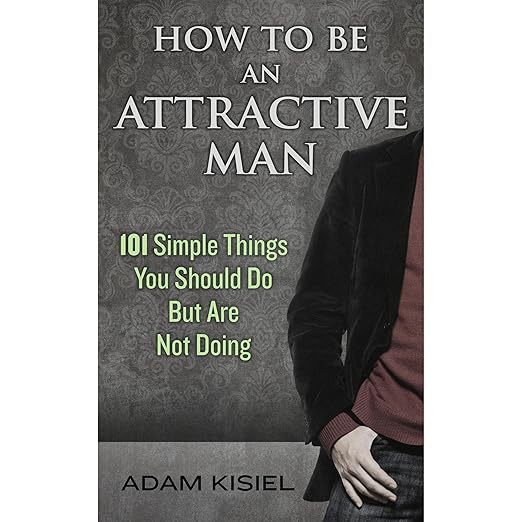
I came to this book with honest skepticism about the genre. Men’s self-improvement content has a long history of promising confidence and delivering manipulation techniques, and the word attractive in a title can cover a lot of territory, not all of it worth your time. Adam Kisiel’s How to Be an Attractive Man is, to its credit, not that book. It is exactly what its description promises: 101 practical tips organized across seven areas, face, body, personality, mind, clothing, hygiene and grooming, and daily habits, without alpha posturing, without pickup-artist undertones, and without the pseudo-psychology that contaminates so much of this genre.
The Virtual Voice narration is the primary obstacle here. At one hour and forty-four minutes, this is an already brief audiobook, and the synthetic delivery flattens the kind of peer-to-peer tone that makes self-improvement advice feel like genuine insight rather than a checklist recitation. Kisiel’s introduction, in which he describes his own journey from ordinary-looking guy to someone who had genuinely figured out a sustainable approach to self-presentation, would be more effective in a human voice. Instead, it lands with the same cadence as the grooming tip that follows it.
Seven Categories, No Hierarchy
The 101 tips are organized across seven categories, and one of the book’s strengths is that it does not privilege external appearance over internal qualities or vice versa. The mind and personality sections receive as much attention as the clothing and grooming ones, and the daily habits section treats sleep, hydration, and social investment as components of attractiveness in the same register as fit clothing and clean nails. This is a more sophisticated framing than most books in this space, which tend to either overweight the external or the internal.
Reviewers have noted that the book avoids phony alpha posturing and operates with a modest, down-to-earth attitude, and this is accurate. The author’s framing throughout is that genuine attractiveness is the result of becoming the best version of yourself rather than performing a constructed social role. The tips feel consistent with this philosophy rather than in tension with it.
Where the Practical Content Holds Up
The grooming and hygiene section is notably specific. Kisiel does not deal in generalities about staying clean and dressing well; he provides actionable guidance that addresses the kinds of small oversights that meaningfully affect how people are perceived. The clothing section similarly addresses fit and proportion rather than trends, which gives the advice a longer shelf life than seasonal fashion guidance.
The personality and mind sections are where the audiobook format works best. The tips on conversation, social investment, and mindset are easily absorbed through listening, and several reviewers have noted that the book contains things they were already doing alongside things they had not thought about, the combination of familiar reinforcement and new guidance that characterizes useful self-improvement content rather than merely satisfying content.
The Length Question
Under two hours is short for a comprehensive self-improvement guide. The 101-tip structure means the book covers a lot of ground at speed, and individual sections receive necessarily brief treatment. For listeners who want depth on any particular area, how to build genuine confidence rather than performed confidence, for instance, the book gestures toward answers rather than fully developing them. That is worth knowing before you commit a credit.
Who Should Listen, Who Should Skip
This is a reasonable listen for men who want a practical, jargon-free, non-toxic orientation to self-improvement across several dimensions simultaneously. The absence of manipulation and alpha posturing makes it more useful for listeners who want to become genuinely better rather than strategically more effective with specific social tactics.
The Virtual Voice narration is a real limitation for a book in this category. If a print or ebook edition is accessible to you, the content is the same and the reading experience will be more engaging. The audio is functional but not inspiring.
Frequently Asked Questions
Does How to Be an Attractive Man address internal confidence as well as external appearance?
Yes, and in roughly equal proportion. The seven-category structure treats personality, mindset, and daily habits alongside grooming, clothing, and physical appearance. The author’s central argument is that genuine attractiveness comes from becoming the best version of yourself across all these dimensions, not from optimizing any single category in isolation.
Is the content manipulative or does it contain pickup-artist material?
Multiple reviewers specifically note the absence of manipulation and what one called phony alpha posturing. The book stays firmly within self-improvement rather than social manipulation territory. The advice is about becoming more genuinely appealing rather than about exploiting psychological vulnerabilities.
How does the Virtual Voice narration affect the listening experience for self-improvement content?
Meaningfully. Self-improvement content benefits from the sense of peer-to-peer conversation that a human narrator can establish. The Virtual Voice delivery makes the material feel more like a checklist than a conversation, and the personal sections, particularly Kisiel’s own journey, lose the warmth that would make them motivating rather than merely informative.
At under two hours, is this comprehensive enough to be a standalone self-improvement resource?
As a starting framework, yes. As a comprehensive treatment of any individual area, no. The 101-tip format means broad coverage rather than deep coverage. It works well as an orientation that identifies which areas need work, listeners can then pursue more specific resources in whichever categories resonate most.