Quick Take
- Narration: Tony Isabella reads Troy Horne’s conversational, bro-coded guide with an easy, informal energy that matches the author’s deliberate casualness, the voice suits the material well.
- Themes: expectant father preparation, pregnancy week-by-week logistics, African American fatherhood experience
- Mood: Upbeat and deliberately low-stakes, with occasional genuine depth
- Verdict: A funny and practically organized pregnancy guide for first-time dads who want the information without the intimidating book-length format, the weekly structure makes it genuinely listenable.
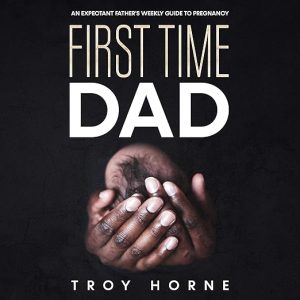
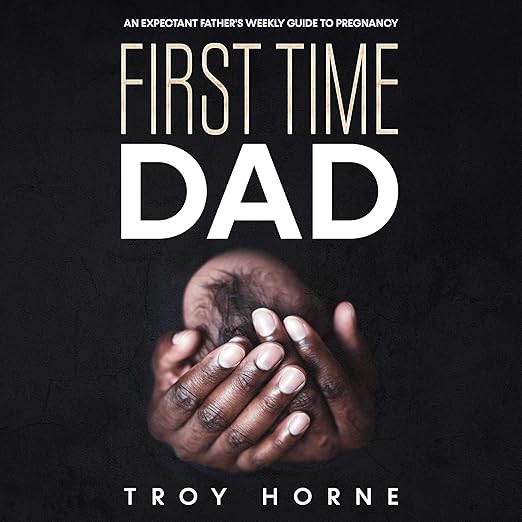
My husband listened to this one while I was pregnant with our first, and the thing I remember is overhearing him actually laugh out loud twice during a commute. That is a specific data point: a pregnancy guide for fathers that generates audible laughter in a car is doing something right, because the genre is almost uniformly earnest to the point of stiffness. Troy Horne wrote this explicitly for fathers who won’t read a long pregnancy book, and the result is four and a half hours that are casual, occasionally funny, and more useful than their breezy tone initially suggests.
Tony Isabella narrates, and the match between narrator and material is good. Horne writes with deliberate informality: frequent direct address to the listener-as-buddy and a running awareness that his audience may be somewhat reluctant to be reading a pregnancy book at all. Isabella preserves that energy without pushing the casual register into parody. He sounds like someone reading you notes from a friend rather than someone performing friendliness for a corporate production.
The Ten-Minute Weekly Format as Audio Feature
Horne structures the guide in weekly sections calibrated at about ten minutes each. This is a genuinely smart audio design choice. Most pregnancy guides are read the way you would consult a reference book: you go to the week you are in, read it, return when needed. The audio version actually respects that listening pattern by making each section self-contained at a length that matches how you would realistically engage with it: before an appointment, during a commute, while waiting for your partner to finish a prenatal yoga class. The total runtime of four and a half hours is the whole pregnancy compressed into consumable form, not a commitment you make once.
The practical content covers the logistics that first-time fathers genuinely don’t know: what goes in the hospital bag, what nursery preparation actually requires, what prenatal vitamins are and why both partners should consider taking them. The controversy sections are lighter than the framing suggests, mostly first-person observations from Horne’s experience as a three-time father and as an African American dad navigating pregnancy in a healthcare system that doesn’t always center his experience.
The Perspective That Makes This Specific
The African American fatherhood context is the element that distinguishes this guide from its competitors most meaningfully. Horne addresses things that other pregnancy books for fathers don’t: how race affects the medical experience for both parent and baby, the specific anxieties that come with being an involved Black father in a cultural moment that doesn’t always represent that, and the particular kind of advocacy he found necessary in clinical settings. He is not writing a polemic; he is writing practical notes from his own experience that happen to be more specific and therefore more useful to a subset of fathers who don’t otherwise see themselves in this genre.
The advice from other parents, roughly ten mothers and fathers whose experiences Horne includes, adds variety without disrupting the guide’s momentum. These are short contributions that serve as validation and variation rather than as full case studies.
Where the Format Has Limits
The deliberate brevity means that anything requiring sustained engagement, navigating complicated medical decisions, understanding pregnancy complications, managing significant relationship stress, gets treated at a level that a serious situation would outgrow. Horne knows this and isn’t pretending otherwise. The book’s framing is explicitly for fathers who want to be prepared without being overwhelmed, and that calibration is accurate. For fathers whose pregnancy involves complications or high-stakes decisions, this guide will be a supplement to rather than a replacement for more comprehensive resources. Reviews are consistently positive and come from partners who bought it for their husbands or fathers who report finding it genuinely helpful.
Frequently Asked Questions
Does the weekly format actually work in audio, or does it feel choppy?
The weekly format works well in audio because each ten-minute section is self-contained at a length that matches how you would realistically use a pregnancy guide. Rather than making it feel fragmented, the structure makes it easy to listen to the current week’s content, pause, and return at the next milestone. It is genuinely listenable as a weekly practice throughout the pregnancy rather than as a front-to-back audiobook experience.
Is the humor in the writing style consistent throughout, or does it wear thin over four hours?
The informal, conversational style is consistent throughout, which is both the book’s strength and its limitation. Horne maintains the accessible, non-intimidating register that makes the guide useful for its target audience, but readers hoping for depth beneath the buddy-tone will find the light touch occasionally frustrating for topics that could support more. For fathers who find standard pregnancy guides alienating in their earnestness, however, the consistent register is exactly what makes this one work.
Is this guide relevant for fathers of twins, or is it structured around a singleton pregnancy?
The guide is structured around a standard singleton pregnancy timeline. One reviewer notes buying it for a husband expecting twins and finding it helpful for understanding the pregnancy experience generally, though the week-by-week specifics are calibrated to a single-baby timeline. The logistics and emotional preparation content applies broadly, but fathers of multiples should supplement this with resources specific to multiple pregnancies.
How substantial is the African American fatherhood content, and is the rest of the book useful regardless of the reader’s background?
The African American perspective is woven throughout rather than isolated in a single section. Horne writes from his specific experience, which includes observations about race in medical settings and his own cultural context as a Black father. This material is specific and meaningful rather than token, but it doesn’t dominate the guide. The practical pregnancy logistics content, the hospital bag checklist, the nursery preparation guidance, the week-by-week development information, is universal and useful regardless of the reader’s background.