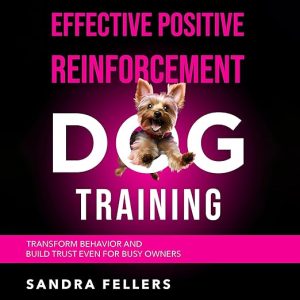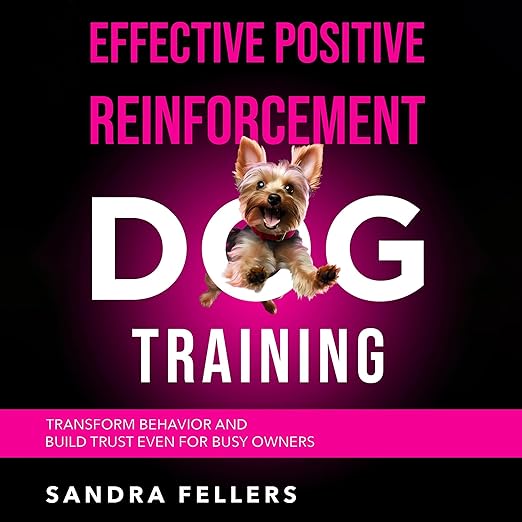
My neighbor has a rescue beagle named Clover who spent her first year reinforcing every bad habit her previous owners had accidentally taught her. When my neighbor asked me whether there was an audiobook version of a dog training guide worth listening to, I pointed her toward this one. Three and a half hours, clear methodology, no punitive philosophy. A week later she reported that Clover had her first reliable sit. I am not saying the book worked miracles, but the speed of implementation matters, and a format you can absorb during a car ride or a lunch break has a real advantage over a manual that lives unread on a shelf.
Sandra Fellers' approach is built around a simple premise that her opening chapters establish without equivocation: dominance-based training is both less effective and more damaging to the human-dog relationship than positive reinforcement. This is not a radical claim at this point in the field of animal behavior science, but it is a claim that still needs making because dominance frameworks remain pervasive in popular dog training culture. Fellers grounds her position in the behavioral mechanics of how dogs actually learn, which makes the subsequent training techniques feel logically connected rather than arbitrary.
The structure moves from foundational principles through practical application in a sequence that makes sense for both new puppy owners and people dealing with established behavioral problems. The section on potty training is described in the synopsis as designed for busy pet parents, and it lives up to that framing: concise, step-by-step, and realistic about the time investment required without overpromising results. The discussion of food's role in training is more nuanced than the average introductory guide, including material on how to calibrate food rewards relative to a dog's individual diet and health requirements.
One reviewer with a prior dominance-training background noted that Fellers opened his eyes to a more compassionate and effective method. That framing captures something important about who benefits most from this book: people who have been training using punishment or pack-hierarchy models and are looking for a documented alternative. The book is not just prescriptive; it explains the why behind each technique, which is essential for getting owners to persist through the inevitable setbacks. A reviewer who noted the patience required for positive reinforcement methods is correct, and the book is honest about this rather than selling false ease.
Gonzalez's Calm Authority, Plus a Senior-Dog Chapter
Candace Gonzalez's narration is well-matched to the material. She reads with the kind of calm authority you would want from a trainer in person, which helps the listener internalize the techniques rather than just processing them as information. The audio format also works for this subject matter in a practical sense: you can listen while driving to the dog park, while walking, or during the training session itself if you are working on a specific technique. At under four hours, it is repeatable in a way that longer guides are not.
The book's treatment of senior dogs deserves specific mention because it addresses a gap in many training guides that default to puppy-focused frameworks. Fellers is explicit that it is never too late to adjust a dog's behavior, and she provides a different orientation for working with older animals whose habits are more ingrained. This is useful and not universal in the genre.
Reasonable for Beginners, General on Diet
Experienced dog trainers or readers already well-versed in positive reinforcement methodology will find limited new material here. The guide is genuinely designed for owners who are new to this approach, and it does not go deep into advanced behavior modification, reactive dog protocols, or specific breed considerations. One reviewer characterized the book as providing a reasonable framework without being exhaustive, which is accurate and not necessarily a flaw given the format and runtime.
The food and diet section, while thoughtful, provides general guidance rather than specific nutritional advice. Listeners dealing with dogs with health conditions or complex dietary needs should treat this section as a starting point for conversation with their vet rather than a definitive guide.
From Punishment to a Documented Alternative
New dog owners establishing habits from the start, and current owners whose training methods have relied on punishment or dominance frameworks who want a compassionate and better-documented alternative. The short runtime makes it realistic for busy households, which is a real consideration for a book about a subject that requires consistent daily effort. Experienced trainers already working within positive reinforcement frameworks will likely find the material covers well-trodden ground, though the book's clarity makes it a useful recommendation for clients or family members who are newer to the methodology.
- Performance: Candace Gonzalez reads with patience and warmth, a tone that mirrors the book's philosophy and makes the training instructions feel immediately approachable.
- What it covers: Positive reinforcement over dominance, trust-building between owner and dog, practical behavior modification
- Feel: Supportive and grounded, designed for busy households
- Our call: A compact, compassionate training guide that covers more ground than its runtime suggests, though experienced dog trainers may find the material familiar.