Jodi Dascal's approach in Drape Your Shape skips the manifesto and goes straight to the mirror. The audiobook, narrated by Virtual Voice, runs just under an hour and forty minutes, which tells you something essential about its philosophy: this is a reference guide, not a lifestyle overhaul. Dascal is a working fashion stylist, not a blogger with an aesthetic mood board, and the distinction matters on every page. The advice here is rooted in client-facing practice, the kind of knowledge you earn by standing in a fitting room with someone who hates shopping and helping them leave feeling genuinely good about what they own.
The book's ten chapters cover the fundamental mechanics of dressing for your body shape, running through questions like how to look longer and leaner, how to dress age-appropriately, and how to look expensive on a budget. The budget chapter alone earns its place. Style advice aimed at high-income readers who can simply buy their way to a functional wardrobe is common. Advice that treats financial constraints as a real design problem worth solving is rarer and more useful.
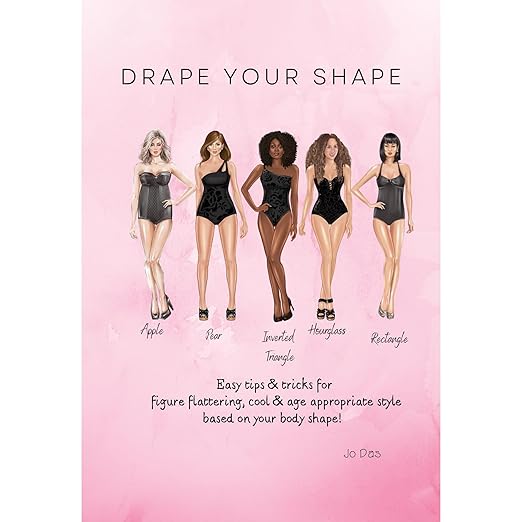
The core premise, that knowing your body shape is the foundational piece of building a wardrobe that works, sounds simple and perhaps obvious. But Dascal executes it with enough specificity to make it genuinely valuable. She does not deal in body-type categories as euphemisms or polite fictions. She describes actual silhouettes, actual proportions, and maps specific garment shapes to those proportions with the precision that comes from years of practice. Reviewer Pamela White described it as her style bible, and that hyperbole makes sense in context. If you have spent years buying clothes that feel almost right but not quite, the chapter on identifying your shape and matching garment lines to it can function as a genuine revelation.
The coverage of closet staples is particularly strong. Rather than listing aspirational pieces that require both a specific budget and a specific lifestyle to deploy, Dascal builds around what most people actually need: clothes that work across multiple occasions without requiring constant reinvention. The brand and shop suggestions mentioned in passing in several chapters are practical rather than aspirational, which is the correct register for a book targeting listeners who need their clothes to function in real life.
Virtual Voice Narrates Clearly, But Skips the Visuals
The Virtual Voice narration is worth addressing directly. For a book built around visual concepts, ten chapters of colorful illustrations that the synopsis explicitly highlights, the audio format presents genuine limitations. The narration is clean and comprehensible, but when Dascal describes the drape of a particular neckline or the cut of a jacket against a specific hip proportion, the absence of the accompanying illustrations creates a gap. Reviewer Matthew T. Zimmerman specifically praised the detailed lists and illustrations in the print version. Audio listeners get the lists but not the visuals, and some garment-shape descriptions work better with a picture than without one.
That said, the core conceptual framework, the body-shape identification system and the matching principles, translates to audio reasonably well. The information is structured clearly enough that a listener can absorb the principles without the visual aid, then apply them in a physical store or while shopping online. The short runtime makes it easy to re-listen to specific chapters when preparing for a shopping trip or a wardrobe edit, which is how reference material like this is most usefully consumed.
Fifty-Nine Reviews Reflect a Small Loyal Audience
The book's brevity is both its greatest asset and its most significant limitation. At under two hours, it operates by compression: it identifies principles and offers examples rather than exhausting every permutation. For listeners who want a deep dive into, say, the specific considerations of dressing a petite figure across formal, casual, and professional contexts, the book will feel like an introduction rather than a complete curriculum. It is a framework, not an encyclopedia.
The age-appropriate dressing chapter is useful but brief, and some of its guidance is more culturally anchored than the book acknowledges. What constitutes age-appropriate dressing is more context-dependent than a short chapter can fully address, and listeners in different professional or regional environments may find some recommendations require translation. That is a function of format more than execution, but worth knowing before you set expectations.
The 4.4 rating across 59 reviews reflects a genuinely useful book with a small but enthusiastic audience. The under-two-hour runtime means almost no one who picks this up will feel their time was wasted, even if they ultimately find the content lighter than they hoped.
Budget Wardrobe Builders Find the Most Value
Listeners who feel consistently uncertain about why some outfits work and others do not, but have no background in fashion principles, will find this a practical and non-intimidating starting point. Anyone building a more functional wardrobe on a limited budget will find the chapters on looking expensive and building around staples especially useful. Dascal's stylist background means the advice comes from a working rather than editorial perspective, which keeps it grounded.
Listeners seeking an in-depth analysis of body image, sustainable fashion, or the psychology of personal style will find this audiobook too brief and too narrowly practical. If the visual illustration component matters to you, the print or ebook version will serve you better than the audio. But as a quick, practical primer for someone who wants to get better at dressing themselves without spending a semester on it, this delivers what it promises.