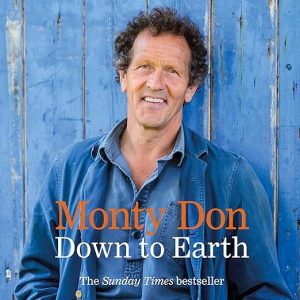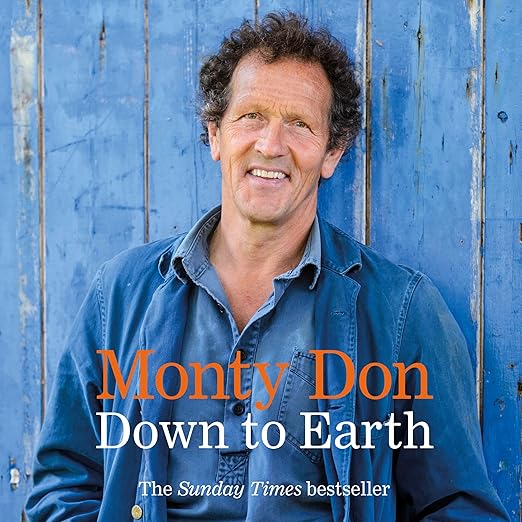
Monty Don's voice is one of those voices that could make a seed catalogue feel like literature, and in Down to Earth he is doing something considerably better than a seed catalogue. The audiobook version of this gardening book is, in a meaningful sense, the ideal format for material that Don himself describes as being written as he talks, intimate, lyrical, and charged with a conviction that gardening is not merely a hobby but a way of understanding how to live. Listening to him read his own words across seven hours and forty-six minutes of carefully observed horticultural wisdom is less like taking a class and more like walking through his gardens at Longmeadow while he thinks aloud beside you. That quality of companionship is the book's most distinctive feature, and it is one that the audio format delivers better than print.
Don is, for listeners outside the United Kingdom, primarily known as the face of the BBC's Gardeners' World, a program that has shaped garden culture in Britain for decades. That television presence translates directly into his prose style: accessible without being reductive, specific without becoming technical, and animated throughout by genuine love for the thing he is describing. One reviewer, an American in the Pacific Northwest who watches his BBC programs via streaming, describes buying Down to Earth as a way to absorb his approach and finding that it felt like walking the garden with a friend, simply discussing as they went. That is precisely the experience the audiobook delivers.
Fifty Years of Principle Over Prescription
The book's scope is ambitious for a single volume: Don covers nature and seasonality, color theory in planting design, pest management, flowering shrubs, container gardening, and month-by-month job lists from his own calendar at Longmeadow. What prevents this from feeling encyclopedic is his consistent return to principle over prescription. He is not telling you what to do as a set of instructions; he is explaining why he does what he does, in a voice that trusts you to translate the principle to your own soil, your own microclimate, your own aesthetic instincts. That approach produces a book that reads as genuinely usable across a range of gardening contexts rather than tightly bound to the English conditions from which it emerges.
His own framing in the synopsis captures the ambition: fifty years of gardening experience distilled into a book that holds both the practical and the philosophical. The claim is not empty. Don has written gardening books before, and Down to Earth carries the particular confidence of a writer who has said the preparatory things elsewhere and can now get to the center of what he knows. One reviewer describes the writing as almost like reading poetry, which is high praise and not entirely inaccurate, his prose has a quality of attention that elevates the observation of a specific plant at a specific time of year into something that resonates beyond the horticultural detail.
Authoritative Narration Minus Longmeadow's Photographs
Self-narration from a garden author carries a specific risk: that the author's expertise and the required warmth of the delivery will fail to coexist, leaving either a lecture or an amiable ramble. Don avoids both. His reading is authoritative without being didactic and intimate without being cloying. The pacing is unhurried in a way that feels deliberate rather than slack, this is someone who thinks in seasons, not deadlines, and that quality comes through in how he moves between topics.
The audiobook does have a practical limitation worth naming: the physical book includes photographs of Don's gardens at Longmeadow, areas he describes as rarely seen on television. Those photographs are absent from the audio experience. For listeners who respond to visual reference alongside plant description, and many gardeners are primarily visual learners, the book form offers something the audio cannot. What the audio offers in return is Don's voice and the specific intimacy of his delivery. For many listeners that is the more valuable exchange.
British Timing and Assumed Garden Vocabulary
Don's gardening context is British, which means some of his seasonal timing, plant selections, and soil references carry assumptions about UK climate and growing conditions that will require translation for listeners gardening elsewhere. American listeners, particularly those in climates that diverge significantly from maritime England, will need to run his month-by-month advice through their own regional growing framework. This is not a criticism, any geographically specific garden writer operates this way, but it is worth flagging for listeners who want directly applicable guidance rather than adaptable principle.
The book also assumes some familiarity with basic gardening vocabulary and practice. Don does not define terms for the complete novice; his intended reader already grows things and wants to grow them better, and to think more clearly about why they garden at all. Absolute beginners may find certain passages require follow-up reading for context, and would benefit from a foundational primer before approaching this book.
For Gardeners Ready to Think Seasonally
Gardeners who already have some experience and want to think more deeply about their practice will find Down to Earth a satisfying and genuinely enriching listen. Don is particularly valuable for listeners who have been gardening reactively and want to develop a more considered seasonal philosophy. His existing television audience will find the audiobook a natural extension of his on-screen presence, the voice and the sensibility are exactly as expected, but given room to expand over seven-plus hours. Skip it if you need step-by-step beginner instruction or climate-specific advice; seek it out if what you want is fifty years of thoughtful gardening experience delivered in one of the most companionable voices currently working in the genre.
Does Monty Don narrate the Down to Earth audiobook himself?
Yes, Monty Don reads his own work. Given that the book is explicitly framed as written the way he speaks, his narration is the most direct version of the experience Don intended, intimate, reflective, and delivered with the quiet authority of his garden broadcast work.
Will this audiobook work for gardeners outside the UK, given Monty Don's British context?
The seasonal timing and some plant references are specific to British conditions, so non-UK listeners will need to translate certain month-by-month advice to their own climate. However, Don's underlying philosophy and principles transfer well, and American listeners in particular report finding his approach genuinely useful as a framework even where the specifics differ.
The book reportedly includes photographs of Longmeadow, are those accessible in the audiobook version?
No, the audiobook is audio only and does not include the photographs of Don's gardens that appear in the print edition. Listeners who want the visual component alongside his narrative should consider the physical book or a digital edition with images. The audiobook delivers his voice and prose without the visual reference.
Is Down to Earth suitable for complete beginners to gardening?
It is best suited to listeners who already garden and want to deepen their practice and thinking. Don does not define basic terms or structure the material as an introductory course. Complete beginners may want a foundational gardening primer first, then return to Down to Earth once they have some practical experience to bring to his advice.