- Narration: Robert Dale Brown Jr. reads with a warm, inviting tone that suits the guide's emphasis on authentic local experience over resort-bubble tourism.
- Themes: Sustainable travel ethics, Maya cultural heritage, local community access beyond tourist infrastructure
- Mood: Curious and grounded, with practical warmth and a clear sustainable travel ethic running throughout
- Verdict: A travel audiobook that prioritizes cultural depth and sustainable practice over checklist tourism, best used as a planning companion before and during a trip.
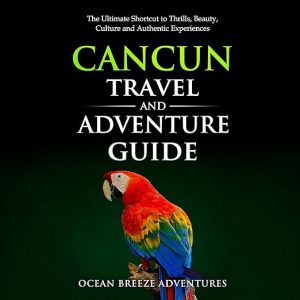
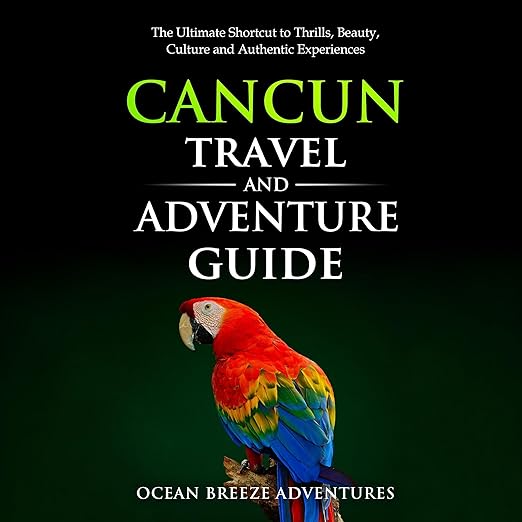
Cancun travel guides tend toward two failure modes: the resort-bubble brochure that never mentions the world outside the Hotel Zone, and the hyperlocal contrarian piece that treats enjoyment of the beach as intellectual surrender. Ocean Breeze Adventures' Cancun Travel and Adventure Guide: The Ultimate Shortcut to Thrills, Beauty, Culture, and Authentic Experiences avoids both. Robert Dale Brown Jr. narrates this audiobook with a warmth that matches the guide's tone: welcoming to first-timers, genuinely informative about what lies beyond the standard tourist circuit, and honest about the practical realities of traveling in a place where sustainable practice matters to the communities that host you.
The context here is specific and worth establishing. Cancun is simultaneously one of the Caribbean's most visited destinations and one of its most misunderstood. Most travelers who go to the Hotel Zone never encounter the living Maya traditions that shape regional culture, never visit Mayan villages or shop at local businesses or understand what cenote tourism is actually doing to the underlying water systems that make those cenotes possible. This guide is explicitly designed to address that gap, and it does so with concrete specificity rather than vague ethical gestures about responsible travel that most readers ignore.
The guide's organizational logic reflects genuine thought about how travelers actually plan and execute a trip. The early sections cover cultural and historical roots, the ancient Maya influence and the living traditions that persist today, before moving into logistics. This sequencing is deliberate: understanding why something exists helps you engage with it more honestly when you get there. The sections on moving through the Hotel Zone and downtown Cancun are practical and specific, covering local etiquette, transportation options, safety considerations, and accessible paths for different kinds of travelers and different mobility needs.
Where this guide distinguishes itself is in the local voices it incorporates throughout. Artisans, chefs, conservationists, and residents appear not as color but as sources of perspective that the standard tourist infrastructure does not provide. Reviewer Debbie Payne flagged this specifically as what makes the guide worth using: it offers alternatives to the resort bubble, including visits to Mayan villages, local restaurants and street vendors, and low-impact land and water activities. For travelers who want to understand a place rather than consume it at a surface level, this orientation changes the entire planning process before you board the flight.
What Stands Out
The audiobook format works well for travel guides when the narrator can convey genuine enthusiasm without tipping into promotional excess. Brown Jr. manages this balance. He reads the cultural history sections with the same engagement he brings to the practical logistics, which means the audio experience does not feel like a sales pitch followed by a fact sheet. The food journey section, covering markets, family dishes, Yucatan flavors, seafood traditions, and modern culinary fusion, is particularly well served by the audio format. You can listen while packing, or while planning a meal itinerary, and the descriptions land with appropriate appetite and specificity.
The sustainable travel sections are not appended as an afterthought but woven throughout the guide where they are most relevant. How to protect reefs, support local communities, choose ethical tours, reduce waste: these appear at the points in the guide where they are relevant rather than in a dedicated chapter that most readers skip. That integration reflects an understanding of how readers actually use a travel guide and how behavior change actually happens, not through lecture but through information delivered in context when decisions are being made during planning.
Before You Commit to Cancun Travel and Adventure Guide
Travel guides in audio have a structural disadvantage: you cannot flip to the map, scan the restaurant list, or pull up the accommodation comparison at a glance. This guide is not paired with a PDF companion, which means practical details that benefit from visual scanning, specific restaurant names, transportation options, cenote recommendations, are absorbed through listening rather than through reference. Listeners planning a trip should take notes while listening or revisit sections in the audiobook app when actively planning specific days on the ground in Cancun.
The guide's emphasis on sustainable and local-focused travel means it gives less coverage to the resort and nightlife economy that many visitors to Cancun are specifically seeking when they book. That is a coherent editorial choice rather than an omission; the guide knows what it is and stays consistent to that identity. But travelers who want comprehensive coverage of the Hotel Zone resort scene will find this guide lighter on that territory than alternatives written for a different kind of visitor with different priorities.
Who Will Get the Most From It
This audiobook suits travelers preparing for a Cancun trip who want more than the standard resort experience and are genuinely interested in Maya cultural heritage, local food culture, and sustainable travel practice. First-time visitors who want to plan intelligently and understand the context of what they will encounter will find it particularly useful in the weeks before departure. Those looking primarily for Hotel Zone resort guidance or nightlife coverage should look for a more conventional destination guide. Return visitors who have done the resort experience and want a genuinely different kind of trip will find this especially rewarding as a planning companion and cultural primer.