The Short Version
- Themes: Black skincare science, hyperpigmentation and melanin-rich skin needs, beauty identity and history
- Mood: Intelligent, direct, and long overdue
- Verdict: Dija Ayodele fills a real gap with authority and warmth, making this the skincare guide that melanin-rich skin has been poorly served by in mainstream publishing.
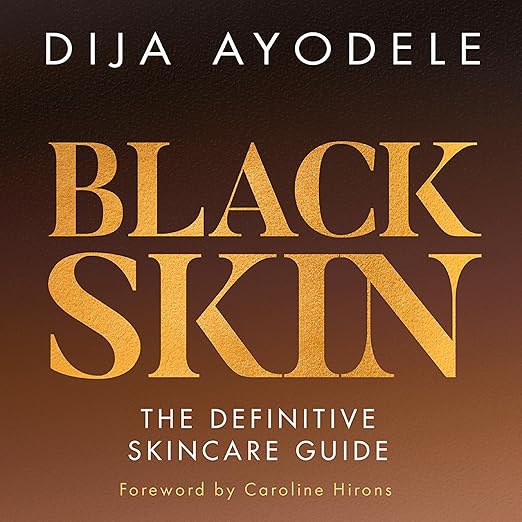
Dija Ayodele opens Black Skin with the kind of directness that makes it immediately clear this audiobook exists to address a gap rather than to enter a crowded space. Running six hours and thirty-two minutes, it is subtitled the ultimate skincare guide for Black women, and that description is not marketing hyperbole. Ayodele, a skincare specialist with deep expertise in melanin-rich skin, covers the lifetime of skin in a format that moves between clinical science and cultural analysis with unusual fluency. The production credits do not list a separate narrator, which suggests Ayodele may be narrating her own material, consistent with the intimate, direct tone that reviewers consistently describe across both written and audio formats.
The content Ayodele covers is organized around what Black women's skin actually faces rather than around generic skincare categories that were not designed with their skin in mind. Hyperpigmentation, general skin discolouration, and increased dryness receive specific and central attention, not as variations on a universal skincare problem but as the defining concerns of a skin type that mainstream skincare guides have historically treated as an afterthought if at all. The structure begins with skin type identification and daily routine fundamentals, then expands into ingredient analysis calibrated to budget as well as efficacy, and then into the larger questions of identity and history that surround how Black women understand and express themselves through beauty and skincare.
The identity and history sections are where Ayodele's work moves beyond skincare manual into something more significant and more durable. Her examination of how history has shaped the way Black women express themselves in beauty and skincare, combined with her systematic debunking of persistent myths including whether darker skin tones need SPF and whether there is any truth to the saying Black don't crack, places the practical information in a cultural framework that makes it more meaningful rather than more academic. These myths have real consequences for how Black women care for their skin, and Ayodele addresses them as the clinical misinformation they are rather than as innocent folk beliefs that can be gently corrected.
The ingredient analysis is particularly valuable and unusually accessible for a general audience. Ayodele explains not just what ingredients do but why they work or do not work for Black skin specifically, connecting the science to the practical concerns of hyperpigmentation and dryness that her audience deals with consistently. One reviewer described finding out about the book and then clearing up previously persistent skin problems using Ayodele's recommended approach. Another described it as genuinely informational and recommended it as a resource for new and upcoming estheticians. That range, from lay listeners solving real skin problems to professionals finding it educationally useful, speaks to the calibration of the content's depth.
Both Estheticians and General Readers Find It Credible
This audiobook deserves its 4.8 rating from 350 reviewers because it does something genuinely difficult: it combines scientific authority with cultural intelligence and practical specificity in a format that serves both expert and general audiences without condescending to either. Estheticians find it professionally credible. Women with no professional skincare background find it accessible and directly applicable to problems they have been managing without adequate guidance for years. That range is not common in skincare writing, which tends to position itself as either clinical reference or consumer guide without bridging the two.
The cultural dimension also gives the audiobook a resonance that purely technical skincare guides cannot achieve. Understanding why certain myths about Black skin persist, and what historical forces have shaped the beauty products and practices marketed to Black women over generations, makes the practical information more empowering rather than simply useful. You are not just learning what SPF to apply; you are understanding the context that made that information inaccessible or actively distorted for so long.
Written Specifically for Black Women's Skin
The book is specifically written for Black women, and the product recommendations and skincare protocols are calibrated to melanin-rich skin throughout. Readers outside that demographic will find the cultural sections less personally resonant, and the clinical information, while scientifically sound, is framed for specific skin concerns rather than as universal guidance. This is not a limitation to note apologetically but a feature to embrace: the book's value comes precisely from its refusal to default to the skin-type-neutral framing that has historically excluded its audience from useful guidance.
The audio format works well for the narrative and analytical sections but may require listeners to return to specific ingredient recommendations for reference. Having a way to take notes or access the content again for practical application will help listeners who want to translate the ingredient analysis into actual product choices during shopping or routine-building. The audiobook is designed for understanding rather than quick reference, but it is an extraordinarily well-organized and thoughtfully delivered one.
Essential Listening for Black Women and Estheticians
This audiobook is essential listening for Black women who have been navigating skincare advice not designed for their skin and want a definitive, authoritative resource that finally addresses them directly. It is equally valuable for estheticians and beauty professionals who work with Black clients and want to deepen their clinical understanding of melanin-rich skin science. Anyone interested in the intersection of beauty, identity, and the history of how certain communities have been served or underserved by the skincare industry will find Ayodele's cultural analysis as rewarding as her practical guidance. The combination is rare and the execution is excellent in both dimensions.
Does the Black Skin audiobook cover melanin-rich skin science in enough depth to be useful for estheticians, or is it primarily aimed at general audiences?
Multiple estheticians have cited it as a professional resource. One reviewer specifically recommended it as an educational tool for new and upcoming estheticians. The ingredient analysis and clinical content on hyperpigmentation and melanin-specific skin behavior are substantive enough to serve professional learners alongside general audiences without talking down to either group.
Does this audiobook specifically address whether Black skin needs sunscreen, and how does Ayodele handle the common myths?
Yes, Ayodele directly debunks persistent myths including whether darker skin tones need SPF, framing them as clinical misinformation rather than benign folk beliefs. The myth-debunking sections are grounded in skin science and explicit about the real consequences these misconceptions have for how Black women care for their skin.
Can the Black Skin audiobook help with specific concerns like hyperpigmentation, or is it only general skincare guidance?
Hyperpigmentation, general skin discolouration, and increased dryness are central concerns of the book rather than sidebars. Ayodele treats these as the defining challenges of her audience's skin, and her treatment of them is one of the book's primary practical contributions rather than a section among many equal topics.