The Short Version
- Read by: B Fike is handed a whole town of suspects to separate inside 153 minutes, with the quiet of the place carrying as much weight as the dialogue
- At its heart: a mayor's daughter dead, land deals and hidden favors, reputation as motive, a detective who is not supposed to be working
- Vibe: Hushed and overcast, postcard calm with something moving underneath
- Short version: A tightly built film-length procedural that nobody has graded yet, which makes the sample the only evidence on offer.
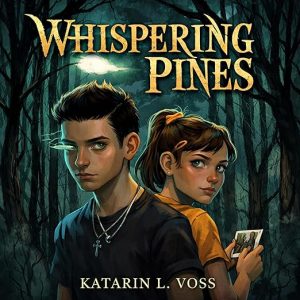
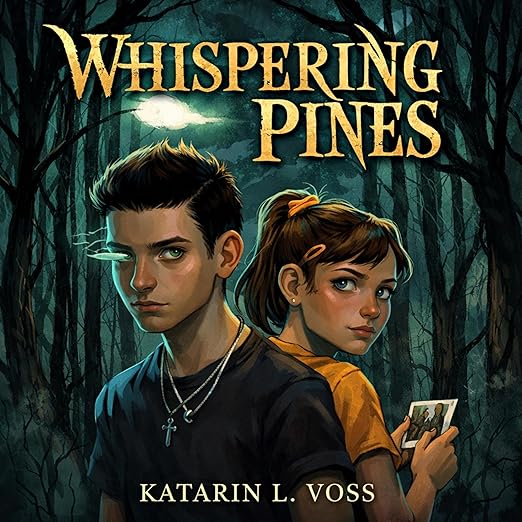
Oregon supplies the postcard and the dread in roughly equal measure here, and the audiobook has two hours and thirty-three minutes to spend both. A mayor's daughter found dead beneath the pines. A detective who is supposed to be on leave. A notebook belonging to Lucy Blackwood that points at shell companies, secret meetings and a ledger somebody would burn to keep buried. The title on this listing reads Whispering Pines. The description's own closing paragraph calls the book Whispering Pines: The Quiet That Kills, and that subtitle appears nowhere else on the page.
Lucy Blackwood's Notebook Nobody Will Name
Procedural is the right word for the shape and lean is the right word for the execution. The copy names its own leads with unusual precision: van tracks, a smeared fingerprint and a string of carved symbols on one side, and on the other a paper trail through companies, meetings and a ledger worth burning. Three physical trails and three paper ones, in a town small enough that following any of them means accusing a neighbor. That symmetry is a genuine piece of construction, and it suggests a writer who planned the case before layering on the atmosphere.
Lucy Blackwood is the name the description trusts you to carry, and it never says who she is. Her notebook drives the investigation. Whether she is the mayor's daughter found beneath the pines, a second victim, a witness or the town's own record keeper is left completely open, and I suspect that is deliberate rather than careless, since the same paragraph names Detective Ethan Cole and his supposed leave outright. A listener starts out knowing exactly one thing about the most important document in the book, which is that somebody wants it destroyed.
Small-Town Reputation Stakes in Under Three Hours
Compression is the strongest argument in favor of this one. Two hours and thirty-three minutes is roughly the length of a film, while small-town crime is a genre that usually arrives at twelve hours with four subplots bolted on. Fitting land deals, hidden favors, old rivalries and a killing into a single sitting forces the writing to keep moving, and the description reads like a book aware of that constraint: short clauses, concrete nouns, and no promise of a sprawling cast to keep straight.
Reputation is the stated theme, and it is a better one than most small-town thrillers settle for. The copy says plainly that the book is about what people do to protect a reputation, and how far they will go when the truth threatens to ruin them all. That motive engine scales down beautifully, because in a town this size the thing worth killing over is not money but the way you get spoken about at the counter of the general store. Friends becoming suspects follows naturally from it instead of being imposed on the plot.
B Fike Narrates a Cast With No Track Record
Reading duties go to B Fike, and a compressed procedural puts unusual weight on the assignment. A cast of neighbors has to be told apart inside a couple of hours, with no room for a voice to settle before the next suspect speaks. Oregon place names and a town whose calm facade is the entire atmosphere want a reader who can hold quiet without going slack. Interview scenes need pace, and the carved-symbol material has to arrive without a knowing wink. Those are the specific pressures a five-minute sample will expose.
Nothing on this page has been graded. The recording is dated 2 March 2026, and five months on the rating counter is empty and no written response has been filed at all. For a small-town thriller with no series behind it and no track record in front of it, that means the publisher copy is the only evidence a buyer has, and publisher copy is written to sell. Anyone who normally waits for a handful of opinions before committing two and a half hours will be waiting a good while longer here.
One British Word Slips Into American Prose
Publisher information adds a small puzzle of its own. The byline reads Katarin L. Voss. The publisher field carries a different personal name, set in capitals, which usually indicates either a self-publishing imprint built around one person or a very small independent operation. Nothing explains the relationship between the two names, and the practical consequence is that a listener wanting to know whether more Ethan Cole cases exist has no imprint catalog to check, since both series fields on this record are blank.
British spelling is the tell here. The story sits in Oregon and the description runs in American English from beginning to end, apart from one word in the line about fathers who 'harbour private fears'. That is a very small thing, and small things of that kind usually mean a text moved between tools or between markets. The final paragraph belongs in the same category: it reviews the book in the publisher's own voice, calling it a 'lean, atmospheric police procedural with a relentless sense of place', which is a blurb pasted in where a description should be.
Oregon Procedural Fans Should Still Sample First
Small-town procedural listeners who want the form at its most economical are the natural audience. Anyone who prefers a case built from physical evidence over one built from psychology, and who wants the whole thing resolved inside a single evening, will find the structure appealing on paper. The Oregon setting is doing real work in the copy rather than sitting behind it, so listeners who respond to place as a character should get what they came for.
Buyers who need reviews before committing should let this listing age a few more months before deciding. Two and a half hours also means a resolution that arrives quickly, so anyone wanting a long braid of subplots will feel the ending come early. Listeners who insist on knowing a narrator's previous work before buying will want the sample, since this is not a widely listed credit.
Good to Know
Is Whispering Pines part of an Ethan Cole series?
Neither series field on this record carries anything at all. The description introduces Detective Ethan Cole as an established figure on leave, which reads like a continuing character, but no earlier case is named and no companion titles appear anywhere. Treat it as a standalone until the page says otherwise.
How long is the Whispering Pines audiobook?
Two hours and thirty-three minutes, released in March 2026. That is roughly a feature film, which for a police procedural means a single investigation resolved in one sitting rather than a case unfolding across several evenings with time out for subplots.
Has anyone rated this audiobook yet?
No. Five months after the March 2026 release date, nobody has left a star or a sentence behind. Buyers who rely on listener feedback have nothing at all to work with here, which leaves the publisher's own sample as the only independent check available before paying.