Quick Take
- Narration: Shannon Lynne brings a warm, practical energy to the material that suits the accessible business-advice tone without overdoing the enthusiasm.
- Themes: Coffee entrepreneurship, small business planning, turning passion into livelihood
- Mood: Encouraging and practical, with a romantic undertone for anyone who has ever dreamed of owning a cafe
- Verdict: A solid foundational audiobook for aspiring coffee shop owners, combining product knowledge with business planning in a format that works well for commute listening.
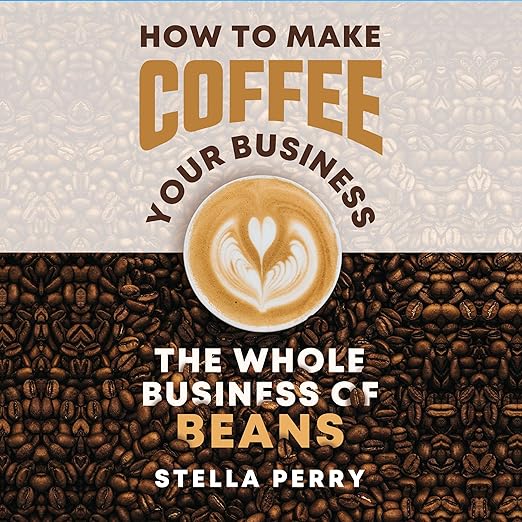
I have spent enough time in independent coffee shops, notebook open, watching the rhythm of espresso machines and customer queues, to understand the particular dream this book is written for. The fantasy of owning a cafe is one of the most common small-business daydreams, and The Whole Business of Beans is aimed squarely at the people who harbor it. What surprised me, after I spent a morning commute working through it, was how genuinely practical it manages to be without abandoning the warmth that makes the subject appealing in the first place.
Stella Perry combines two of her previous texts into a single audiobook. The first concerns the craft side: selecting, roasting, and brewing coffee, covering the full range from French press and drip-brew to cappuccinos and lattes, with the kind of detail that will satisfy coffee nerds even if they have no entrepreneurial ambitions whatsoever. The second shifts to the business side: planning a coffee shop, understanding costs, marketing, loan types, pricing, and the operational realities of running a service-based business from the ground up.
Our Take on The Whole Business of Beans
The combination works better than it might. Coffee shops are unusual among small businesses because the product knowledge and the business model are more intertwined than in most retail contexts. A cafe owner who does not understand the difference between a washed and natural process coffee will make worse purchasing decisions. A passionate home barista who has never thought about cost-per-cup or foot traffic will make worse business decisions. Perry covers both domains in sequence and makes a reasonable case that you need both to succeed.
Reviewers have praised the book’s comprehensive coverage, and the business-planning section is particularly well organized. One reviewer noted that the book takes a realistic tone from the start, presenting business planning questions that serve as a genuine reality check rather than cheerleading. That measured approach is valuable in a category where too many books project unfounded optimism about the ease of small business ownership.
Why Listen to The Whole Business of Beans
Shannon Lynne’s narration is warm and clear, appropriate for material that functions best when it feels like advice from someone who has been through the process rather than instruction from a textbook. At under five hours, the audiobook is efficient enough to finish in a single long commute or an afternoon, and the information density is pitched for practical application rather than academic completeness.
The audio format works well for the craft sections, where the sensory language of coffee, descriptions of roast profiles and tasting notes, benefits from being heard rather than read. The business sections are similarly suited to listening, since they are organized around questions and decision points that are easy to follow as audio.
What to Watch For in the Business Planning Sections
A reviewer noted some typos in the text, which appear to have survived into the audio in a few places as minor inconsistencies. These are genuinely minor and do not affect the practical value of the content. More substantively, the business sections are appropriately foundational rather than advanced. Listeners who already have significant business experience or who are expanding an existing food-service operation will likely find the material too basic for their needs. The book is explicitly aimed at beginners, and that scope is the right choice for its primary audience.
The combination of two previously separate books into one audiobook means the tonal shift between the craft and business sections is occasionally noticeable. The coffee knowledge sections have a slightly more personal, enthusiast voice; the business planning sections are more structured and directive. It is not jarring, but it is there.
Who Should Listen to The Whole Business of Beans
The ideal listener is someone who genuinely loves coffee, has considered making it a career, and wants a clear-eyed first map of what that journey involves. One reviewer described it as having inspired her to pursue her long-held dream of opening a cafe, while another found it sobering in a useful way, giving him a better understanding of how much planning the dream actually requires. Both outcomes are valuable. Experienced food-service operators or coffee industry professionals will find it too foundational, but for aspiring shop owners approaching the question for the first time, it covers the essential ground efficiently.
Frequently Asked Questions
Does this audiobook require prior knowledge of coffee or business to be useful?
No prior expertise is required in either area. The book covers coffee knowledge from basics through intermediate craft, and the business planning sections are designed for first-time entrepreneurs. Experienced business owners or coffee industry professionals will likely find it too foundational.
How is the book structured, does the coffee craft section and the business section feel like separate books?
The two sections are distinct and the tonal shift between them is noticeable, since the book combines two previously separate texts. The coffee knowledge section has a more personal, enthusiast voice; the business planning section is more structured and directive. Both are effective in their own register.
At under five hours, is there enough depth to be genuinely useful for someone serious about opening a cafe?
As a starting point, yes. The book covers the essential questions and planning considerations that anyone entering the coffee business needs to understand. For a complete business education, you would supplement it with more detailed resources on finance, leasing, and operations, but as a first map of the territory it is efficient and practical.
Shannon Lynne is not a widely profiled narrator, does her performance suit the material?
Yes. Her warm, accessible delivery matches the encouraging tone Stella Perry establishes throughout the book. She does not oversell the enthusiasm, which is the right call for a text that is trying to be both inspiring and realistic simultaneously.