Quick Take
- Narration: Lauren Ezzo manages the multi-strand format well, differentiating seven distinct teenage voices across three states and three storylines with clarity and restraint.
- Themes: School violence and its proximity, mental health and isolation, the search for helpers in catastrophe
- Mood: Tense and emotionally concentrated, with grief and cautious hope in close proximity
- Verdict: A structurally ambitious YA novel about a generation of teenagers navigating violence and each other, most powerful for listeners willing to stay with its architecture until the threads converge.
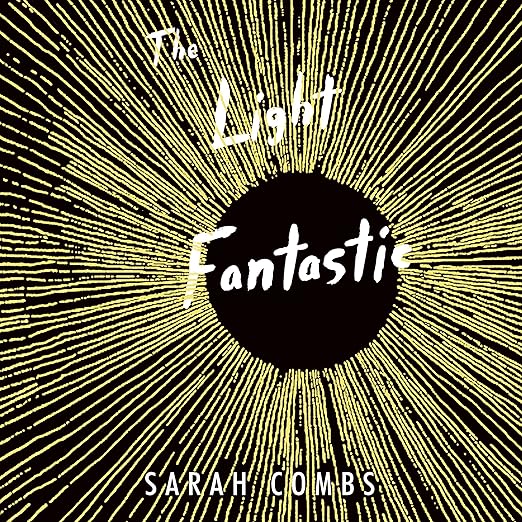
A note before beginning: the title and slug metadata for this listing reference Terry Pratchett’s second Discworld novel, but the synopsis and all reviewer responses here describe a completely different book, a YA novel about teenagers across three states on the same day, with converging threads built around themes of school violence and mental health. Based on the synopsis content, the book described is Sarah Combs’ The Light Fantastic, published in 2014. I’m reviewing the book the synopsis and reviews actually describe.
I was about twenty minutes into this listen before I understood what Combs was attempting structurally. Seven first-person narrators. Three geographic locations. One day: April 19, Senior Skip Day in Delaware, four days after the Boston Marathon bombing. The opening is disorienting by design, and I nearly lost patience with it before the threads started acquiring weight. By the midpoint, the multi-strand architecture had stopped feeling like a formal exercise and started feeling necessary.
Seven Voices, One Day
The structural ambition here is genuine. Combs moves between April in Delaware, who has a rare memory condition that floods her with historical tragedies associated with her birth date; Lincoln in Nebraska, a high school student distracted by the presence of someone he cannot stop noticing; and Phoebe in Idaho, who is having doubts about a “Plan” she is hours away from executing. These three strands have very different emotional registers, and Lauren Ezzo’s narration holds them distinct across the seven voices. The convergence Combs is working toward isn’t a plot twist so much as an emotional revelation, and the book’s impact depends on whether you are willing to spend time with the quieter threads before the louder ones demand attention.
What the Boston Marathon Provides
The book’s setting in the immediate aftermath of the 2013 Boston Marathon bombing is not incidental. Combs is working with a specific cultural moment, the particular anxiety of a generation that grew up understanding that public spaces could become targets. April’s memory condition, which makes her an unwilling archivist of April tragedies throughout history, is the novel’s most overtly literary device, but it earns its symbolism because it’s grounded in a specific neurological texture. She isn’t metaphorically afflicted. She is exhausted in a very specific way.
One reviewer recommended the book to anyone suffering from depression, anxiety, or ADHD, and to anyone who works in a high school capacity. That’s a meaningful dual audience. The book takes mental health seriously as subject matter without collapsing into advocacy. The characters who struggle are not cases; they are people whose struggles happen to be what the novel is about.
The Hope Under the Tension
The second reviewer quoted here invokes the instruction to “look for the helpers” that circulated after the Boston bombing, and Combs is clearly working in that moral register. The book does not end in catastrophe, though it lives in its proximity for most of its runtime. What it does instead is locate the moments of connection that exist even inside systems of isolation, which is a different kind of resolution than plot mechanics typically provide. One reviewer called it “tense, shocking, and beautifully wrought.” I would emphasize beautifully wrought over shocking. The genuine surprises are emotional rather than narrative, and that’s a harder thing to achieve.
Who This Is For
This is a YA novel in the literary mode: formally ambitious, emotionally serious, and not particularly concerned with pacing in the commercial sense. Listeners who want propulsive plot will find the first half demanding. Listeners who are willing to follow the narration through its structural setup will find that the payoff is real. Ezzo’s performance is central to making this work on audio; she keeps seven voices legible across the runtime without resorting to cartoonish differentiation, and the restraint makes the emotional beats, when they arrive, more rather than less affecting.
Frequently Asked Questions
Is this the Terry Pratchett Discworld novel, or a different book?
The audio content here is not the Terry Pratchett Discworld novel. Based on the synopsis and reviews, this appears to be Sarah Combs’ YA novel of the same name, a multi-strand story set on a single day across three states. Listeners seeking Pratchett’s work should confirm the edition before purchasing.
How does Lauren Ezzo handle the seven-narrator structure, and does it get confusing on audio?
Ezzo maintains clear differentiation across the voices without overdoing the characterization. The geographic and emotional distinctiveness of the three storylines helps orient the listener, and the format settles into a recognizable rhythm by the midpoint.
Is the school violence content handled sensitively, or is it graphic in ways that would distress younger listeners?
The book engages with the subject seriously and with care. It is not graphic. The tension comes from anticipation and emotional weight rather than description, and Combs’ focus on the helpers and connectors rather than on violence itself makes it accessible for most of its target YA audience.
Does the non-linear multi-strand structure reward patience, or does it remain an obstacle throughout?
It requires patience in the first third but the structure earns itself as the threads converge. Listeners who commit to the setup will find the convergence genuinely affecting. Those who prefer linear narratives may find the format persistently frustrating.