Before You Press Play
- Voice: Lauren Fortgang handles the dark atmospheric register and the sibling dynamic with precision, giving the Folk sequences a useful deliberateness that honors their stakes.
- Big ideas: faerie folklore, coming-of-age sacrifice, the cost of bargains
- Atmosphere: Lush and sinister, the darkness and beauty equally real
- Worth it?: A standalone Holly Black fae novel that demonstrates why she shaped the modern YA version of the tradition, delivered with narration that serves its atmospheric demands.
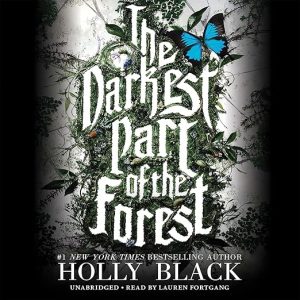
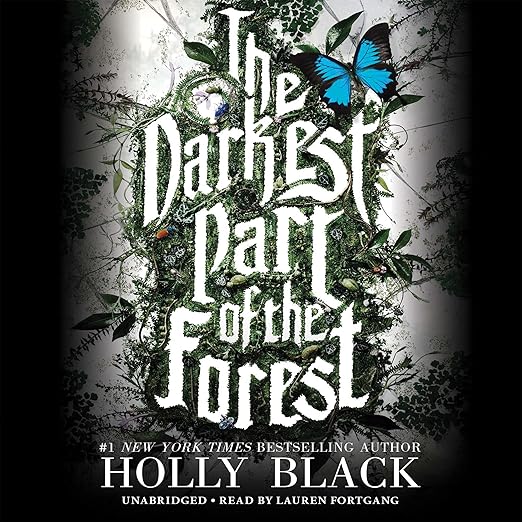
Fairfold is not a safe town. The Folk live alongside humans in Holly Black's The Darkest Part of the Forest, and the arrangement has never been one of equals, the faeries make their cruel bargains, haunt the woods, doom unwary tourists, and occasionally leave something inexplicable at the edge of human understanding. At the center of Fairfold sits a glass coffin containing a boy with horns and pointed ears, a fixture so familiar to Hazel and Ben that they built their childhood games around him. This audiobook, narrated by Lauren Fortgang, picks up the moment that coffin turns out not to be permanent, and what follows is not the adventure Hazel imagined as a child.
Hazel has grown up setting aside the childhood fantasy that she and Ben were knights who would one day rescue their sleeping prince. She is a teenager now, with a brother who has genuine musical gift and a complicated relationship with the Folk, and a secret she has been keeping about her own nocturnal activities that the narrative withholds until the structure needs it. When the horned boy wakes and the forest begins to destabilize, Hazel has to become the knight she once pretended to be, but the reality is more complicated, more costly, and less cleanly heroic than the story she told herself as a child. The gap between the stories we use to make sense of our lives and the actual demands those lives place on us is one of the most consistent themes in Black's YA work, and it is present here with particular force.
What Makes The Darkest Part of the Forest Worth Hearing
Lauren Fortgang brings a careful, atmospheric quality to the narration that suits Black's dual register. The book operates simultaneously as a YA coming-of-age story and as full-throated dark faerie fiction, and those modes require different performance energies that Fortgang navigates smoothly. The lush, slightly sinister atmosphere of Fairfold comes through in her pacing, she does not rush the descriptive passages that establish the Folk world's texture, but she accelerates appropriately when the plot demands urgency. The balance between atmosphere and momentum is one of the harder things to manage in YA fantasy audio, and Fortgang handles it with consistency across the full eight-plus hours.
Fortgang also handles the two sibling perspectives, Hazel's grounded, slightly self-critical narration and the glimpses of Ben's more artistic and enchantment-adjacent worldview, with enough differentiation to keep the family dynamic readable in audio format. Holly Black's fae fiction is built around the weight of words and bargains, and a narrator who understands that each piece of Folk dialogue carries potential consequences handles those moments with a useful deliberateness that signals to listeners: pay attention here, this is a contract. That quality elevates the stakes of the Folk interactions well beyond decorative atmosphere.
Things to Know Before Starting The Darkest Part of the Forest
Black is returning here to the faerie fiction that launched her YA career, and the book carries the strengths and some of the structural specificities of that tradition. This is not a soft or sanitized fae story, the Folk are genuinely dangerous, their bargains have real costs, and the horror elements in the forest sequences are not decorative. Reviewers who came to this book from Black's Folk of the Air trilogy should note that the tone is comparable; this is the same creative sensibility at work but deployed in a standalone setting rather than a trilogy framework.
The narrative structure involves a secret Hazel keeps from both the reader and from Ben that shapes the plot's second half significantly. Some readers find this withholding rewarding as a dramatic device; others find it frustrating in the earlier chapters. In audio format, the reveal lands differently than in print because Fortgang has been carrying the weight of that secret in her performance without being able to signal it directly, when the revelation arrives, it reframes much of what preceded it, and listeners may find themselves replaying earlier scenes mentally with new understanding. Black uses this structural technique with care, and the payoff justifies the patience the buildup requires.
A note on where this book sits in Holly Black's career: The Darkest Part of the Forest predates the Folk of the Air trilogy and represents Black returning to the YA fae tradition that made her reputation with the Spiderwick Chronicles and other early work. The sensibility is consistent, the rules of the Folk are real, the costs are specific, the beauty and danger are inseparable, but the Fairfold setting and the glass-coffin premise are distinctive enough that the book stands on its own rather than feeling like a rehearsal for the trilogy. Listeners who have read the Folk of the Air books and want to trace how Black thinks about fae fiction across her career will find this a useful companion piece. Those coming cold will find a complete and fully realized world.
Who Holly Black Is Writing For
Young adult readers who love fae fiction with genuine stakes and dark atmosphere will find this audiobook a strong choice. Holly Black is one of the architects of modern YA fae fiction, and The Darkest Part of the Forest demonstrates why: she builds rules, costs, and beauty into the Folk world simultaneously, so the wonder and the danger are inseparable rather than alternating. The horned boy in the glass coffin is both fairy tale archetype and a fully realized character with his own complications and his own story about what it means to be a legend trapped in a physical form.
Listeners who want light or escapist fantasy without darker content should look elsewhere. The Forest earns its title, this is fae fiction with real teeth, where the beauty of the world and the danger of the Folk are the same thing. For readers who want that combination delivered with craft and smart narration, this audiobook delivers it fully across a runtime that never overstays its welcome.
Before You Listen
How dark is this audiobook for a YA title?
Genuinely dark. The Folk are dangerous in ways that have real consequences, the horror elements in the forest are not decorative, and Hazel's secret involves choices with lasting costs. Black does not write sanitized fae fiction, and this book is representative of her approach. It is appropriate for its YA audience but does not soften the dark matter for younger sensibilities.
Does Lauren Fortgang's narration handle the audiobook's multiple character perspectives well?
Yes. She differentiates between Hazel's grounded self-critical voice and the more enchantment-adjacent quality of Ben's perspective without overcorrecting into separate character voices. The Folk dialogue is delivered with useful deliberateness, reflecting the weight those words carry within Black's world-building rules.