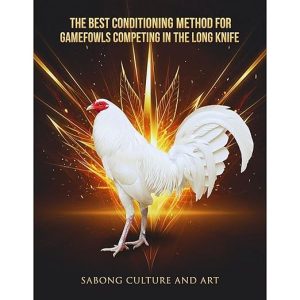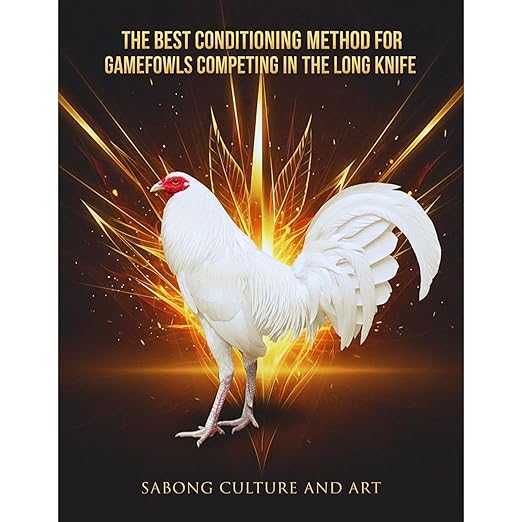
The Best Conditioning Method for Gamefowls Competing In the Long Knife is an audiobook written by and for serious practitioners of a specialized sport, and it should be evaluated on those terms. Published under the Sabong Culture and Art imprint, this is a 2-hour, 20-minute guide to preparing gamefowl for long knife competitions using what the author calls the Rotation Method, a training framework designed to develop a bird's natural speed, strength, gameness, and precision cutting ability. The audience is not casual listeners curious about an unfamiliar world but people who are already inside that world and looking for applied, methodical guidance they can put directly into practice.
Reviewer Roberto A. Castro called it 'great,' specifically noting the coverage of bloodlines and medications alongside guidance for assessing when a bird is performing at its peak. Reviewer Panther appreciated the detail given to 'the most important week of the conditioning,' the final preparation period before competition. These are practitioner evaluations, and they reflect what the book does: it addresses the specific knowledge questions that people training gamefowl for long knife competition actually have, without much preamble or padding to extend its runtime beyond what the content genuinely requires.
Gameness, Bloodlines, and a Flexible Rotation Method
The Rotation Method that forms the core of this guide is presented as flexible and adaptable to other weapon types, including gaffs and short knives, making it potentially useful across the gamefowl competition world rather than exclusively for long knife preparation. The author, writing from within Sabong culture, which encompasses the traditions and practices of cockfighting as it has developed across multiple centuries and cultures, particularly in Southeast Asia and the Philippines, grounds the training advice in a respect for the birds' natural abilities rather than a purely mechanical conditioning framework.
The synthesis of physical development, agility training, and the cultivation of what the text calls 'gameness,' the particular quality of competitive spirit and recovery capacity that distinguishes high-performing birds from merely fit ones, is where the guide distinguishes itself from simpler conditioning manuals. The author is explicit that training can develop natural abilities but cannot substitute for appropriate bloodlines, and the section on bloodline selection reflects a practitioner's understanding of the relationship between genetics and conditioning. That level of specificity is precisely what the target audience is looking for and what elevates this above a generic training guide.
This Audiobook Suits Outdoor, Repeatable Listening
The audiobook format has specific utility for gamefowl handlers who spend their working time outdoors and benefit from having reference material in audio form rather than in print. The Virtual Voice narration delivers the content clearly and at a consistent pace, which suits the reference function of this kind of guide. The 2 hours and 20 minutes cover the essential content without significant repetition, making the total listening time efficient for its purpose and easily revisitable when specific sections need review.
The author's commitment to ongoing improvement recurs throughout the guide. The text does not present the Rotation Method as a fixed and final solution but as a framework to be refined as the practitioner gains experience and as the field evolves. That intellectual humility is appropriate for a discipline where practical knowledge is often held within communities rather than systematically codified, and where published resources of this specificity remain relatively rare. The guide fills a genuine gap in available training literature for the long knife format, and its practical orientation means the content ages better than more theoretical treatments of the subject would.
Strictly for Practitioners, Thin on Background Context
This audiobook is written strictly for practitioners. Listeners without existing knowledge of gamefowl, the long knife format, or sabong culture will find significant portions of the content technically specific without sufficient context for the underlying concepts. The guide does not spend time explaining the sport's basic framework before moving into conditioning detail. Those new to this field will need supplementary background material before this guide becomes fully usable in their practice.
The Virtual Voice narration, while clear, does not carry the practical authority that a human narrator with handler experience might bring. Technical descriptions of conditioning protocols and the assessment of a bird's physical condition in the final preparation week are areas where tone and confidence matter, and a synthetic voice delivers them with consistency but without the embodied authority of someone who has worked directly with these birds. Listeners who find specific guidance difficult to absorb aurally may benefit from reading the text alongside the audio.
Best for Committed Sabong Practitioners Only
This is a specialist audiobook for gamefowl enthusiasts and sabong practitioners who want a structured, systematic approach to long knife conditioning. It suits handlers at any level who are interested in the Rotation Method and its application across different weapon formats. Those outside the sabong community who are curious about the practice from a cultural or historical standpoint will find this guide too technically focused for their purposes and should look instead to more broadly contextual accounts of sabong's place in Philippine and Southeast Asian culture. For its intended audience of committed practitioners, it delivers precisely what it promises: a concise, applied conditioning framework from inside the tradition, written by someone who genuinely understands the demands of the sport and respects the animals at its center.
- Performance: Narrated by Virtual Voice, which delivers the technical content clearly but without the practitioner's authority a specialist human narrator would bring to gamefowl conditioning material.
- What it covers: Gamefowl conditioning and preparation, the Rotation Method, bloodline selection and training
- Feel: Practical and focused, written for practitioners rather than curious outsiders
- Our call: A concise specialist audiobook that covers what it promises for its target audience, with the Virtual Voice format adding some distance from the practical knowledge it contains.
Frequently Asked Questions
Does the audiobook cover medications and bloodline selection alongside the conditioning method itself?
Yes. Reviewer Roberto A. Castro specifically noted the coverage of bloodlines and medications as strengths of the guide. The Rotation Method is the core framework, but the guide addresses the full preparation picture, including the selection of birds with appropriate natural abilities for long knife competition.
How does the Virtual Voice narration work for technical conditioning content in this audiobook?
The narration is clear and consistent but lacks the practical authority that a human narrator with handler experience would bring to technical assessments of bird conditioning and competition preparation. Listeners who find some of the more specific guidance difficult to absorb aurally may benefit from reading the printed text alongside the audio.
Is the Rotation Method covered in this audiobook applicable to conditioning for other weapon types, or only the long knife?
The author explicitly presents the Rotation Method as adaptable to other weapon formats, including gaffs and short knives. The core conditioning principles are framed as broadly applicable within gamefowl competition, with the long knife serving as the primary context for the specific examples and timing frameworks in the guide.