Quick Take
- Narration: Virtual Voice narrates a deeply personal, biblically grounded marriage intimacy guide, the format mismatch is significant here, as this is material that requires warmth, human presence, and pastoral tone to land as intended.
- Themes: Christian marriage, sexual intimacy as spiritual practice, overcoming shame and medical barriers to sex
- Mood: Deeply sincere and faith-rooted, though the synthetic narration creates distance the content works against
- Verdict: Dr. Konzen’s research and compassion are evident throughout, and the content fills a genuine gap in Christian sexuality resources, but Virtual Voice is a real obstacle for material this emotionally demanding.
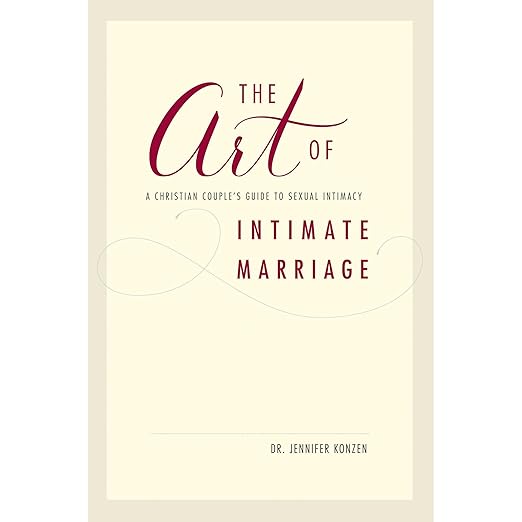
I finished The Art of Intimate Marriage over a weekday evening, aware that this is a book with a very specific intended reader, a married Christian who wants to reconcile genuine faith with genuine sexual fulfillment, and that the gap it’s filling is real. Dr. Jennifer Konzen is a two-time nationally award-winning sexuality researcher working from within a Christian framework, and that dual credential matters: the book has actual clinical rigor, not just spiritual reassurance. But Virtual Voice narration is a recurring problem in this category, and here it is particularly costly.
The book opens with a set of portraits: the couple whose sex life is good but could be better; the couple where sex has been a source of pain and frustration; the person navigating medical challenges that complicate physical intimacy. Konzen writes to all three, and the range is admirably honest. Too many Christian sex guides are written for couples who just need permission to enjoy what they already have. This one acknowledges that some couples are navigating real barriers, trauma histories, chronic pain, relational injury, shame that goes back further than the marriage, and it offers something to those readers rather than defaulting to cheerful encouragement.
God’s View of Sex as Foundation
The theological framing is central and consistent. Konzen argues that genuine understanding of God’s perspective on sexuality is itself therapeutic, that Christian couples often struggle in part because they’ve absorbed messages about sex as fundamentally suspect or dangerous, rather than as the expression of spiritual intimacy their tradition actually intends. The phrase “deeply known and erotically bonded with our spouse” as a reflection of divine love is a striking formulation, and it gives the book a framework that is theologically serious rather than merely apologetic. One reviewer described finding “biblical confidence to talk straight forward about intimacy” with her spouse as the book’s primary gift, not new technique, but new permission grounded in a framework she could trust.
Reviewers with chronic pain backgrounds, a population for whom shame around sexual limitation can compound physical difficulty, describe the book as uniquely validating. The medical chapter addresses conditions that interfere with pleasurable sex without treating them as sources of personal failure, which is rarer in this genre than it should be. Konzen’s clinical research background shows in these sections: the recommendations are specific and rooted in evidence rather than general pastoral comfort.
The Virtual Voice Problem
This is where the review has to be honest in a way that is specific to the audio format. The Art of Intimate Marriage is asking readers to enter vulnerable emotional territory: to revisit shame, to surface painful relational histories, to accept that they deserve intimacy and pleasure in their marriage. That kind of invitation requires a human voice, ideally one that carries warmth, pastoral experience, and the specific credibility of someone who has walked through these conversations with real couples. Virtual Voice carries none of that. The synthetic narration applies the same flat efficiency to Konzen’s most tender passages as it does to the book’s definitional sections, and the effect is a kind of tonal blunting that works directly against the material’s emotional intent.
The content survives the narration, largely because Konzen’s writing is direct enough and the framework sturdy enough that the words carry weight even without the voice to amplify them. The 4.8 rating across 90 reviews, a notably strong number for a specialized Christian sexuality guide, tells you that readers are finding genuine value. But the print or ebook versions of this book will give you more of what Konzen intended than the audio does.
Who Should Listen / Who Should Skip
Listen if: you are a Christian married listener looking for a biblically grounded, clinically informed guide to sexual intimacy, and you’re prepared to work past the narration limitation to access the content. The framework and the clinical specificity are both genuinely worth the effort. Skip if: you need the warmth of a human pastoral voice to engage with this material, and many listeners dealing with the shame and vulnerability Konzen addresses will. In that case, the print version is the better choice.
Frequently Asked Questions
Is this book written specifically for evangelical Christians, or does it have relevance across Christian traditions?
The theological framing is broadly Protestant Christian rather than narrowly evangelical, though the emphasis on biblical authority and a specific view of God’s design for marriage will resonate most with evangelical and conservative Christian readers. Catholic or mainline Protestant readers may find points of theological divergence.
Does the book address situations where one partner has a history of sexual trauma?
Yes, and with notable specificity. Konzen addresses how family-of-origin experiences and trauma histories shape adult sexual functioning, and several reviewers specifically describe it as helpful for navigating exactly that situation. This is not a perfunctory acknowledgment but a substantive part of the book’s therapeutic framework.
Is Virtual Voice narration a dealbreaker for this particular book, or does the content make up for it?
It’s a real limitation. The content is strong enough that many readers still find value in the audio, but this is among the most poorly-matched genre-narration pairings in the catalog. Material designed to reduce shame and invite emotional vulnerability needs a human pastoral voice. If the choice is available, choose the print version.
Does the book cover specific sexual techniques, or is it primarily theological and psychological?
It covers all three: theological framework, psychological and relational material, and specific guidance on physical intimacy including medical considerations. The balance reflects Konzen’s dual background as a researcher and clinician. It is not an explicit technique manual, but it is more specific about physical intimacy than many faith-based marriage books.