Quick Take
- Narration: Virtual Voice, synthetic AI narration that creates a significant mismatch with intimate, voice-centered content about erotic communication.
- Themes: Erotic communication, verbal intimacy in marriage, sexual confidence and authenticity
- Mood: Encouraging and practical in intent, but undercut by its own delivery mechanism
- Verdict: The subject matter is genuinely underserved in the literature, and the framework of 12 communication styles is a useful concept, but this specific title needs a human narrator to work.
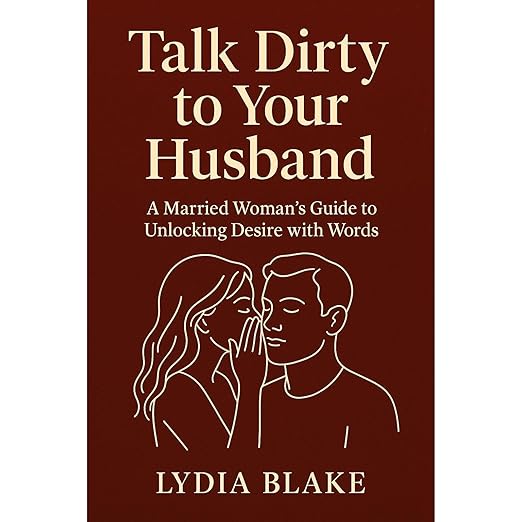
I want to be upfront about something before anything else: a book about unlocking desire through the power of your own voice, narrated by a synthetic AI voice, is about as fundamental a format mismatch as this genre produces. Lydia Blake’s Talk Dirty to Your Husband has one review at the time of writing, a five-star rating, and a Virtual Voice narrator listed in the metadata. I’m going to give the content a fair hearing, but I won’t pretend the delivery mechanism isn’t a real problem for material of this kind.
The subject Blake is tackling is genuinely underserved. There are hundreds of sex instruction audiobooks covering technique, anatomy, and relationship psychology, but relatively few that focus specifically on erotic verbal communication as a distinct skill for people who are already in established relationships. The premise, that married women often want to express desire more boldly but lack the language, confidence, or frameworks to do so without feeling performative, is credible and real. Blake’s synopsis describes twelve distinct styles of erotic communication, from teasing to dominant to romantic, and promises exercises, phrase guides, and real-life scenarios rather than scripts to memorize.
The Framework That Deserves a Better Vehicle
The twelve-styles structure is the most immediately useful element of what Blake is attempting. Rather than treating erotic communication as a single register that you either have or don’t, she breaks it into distinct modes with different emotional textures and purposes. The distinction between a romantic whisper and a dominant instruction is not just one of volume or vocabulary, it’s a different relational dynamic, and treating them as separate styles to be understood, tried on, and calibrated to your own temperament is a genuinely smart approach.
The book also apparently distinguishes between authentic desire expression and performance, which is exactly the tension that makes this topic difficult for many people. Telling a partner what you want in the moment is vulnerable in a way that has nothing to do with vocabulary. The exercises and reflection prompts Blake includes are, from what the synopsis and the single available review describe, aimed at that vulnerability rather than papering over it with rehearsed lines.
Virtual Voice and the Compounding Problem
Here is where I have to be direct. Erotic communication instruction narrated in a synthetic AI voice is not a neutral presentation of the material. The entire premise of this book is that your voice, your authentic vocal expression of desire, is the tool being developed. A Virtual Voice narrator undermines that premise in a way that a book on, say, tax preparation would not. The intimacy that this kind of content requires, the sense that a real person is guiding you through vulnerable territory, is absent.
The single review that exists praises the book warmly, and I have no reason to doubt that the content is as solid as the reviewer suggests. But the listening experience is simply harder to access when the narration signals synthetic delivery at every turn. For a book with a runtime under four hours and only one review in its current format, it’s also difficult to assess with confidence.
The Marriage-Specific Framing
Blake explicitly positions this for married women, which is a meaningful editorial choice. Long-term relationship dynamics, the weight of routine, and the specific challenge of maintaining sexual boldness with someone who already knows you well are real contextual factors that generic sex instruction tends to flatten. The promise of scenarios tailored for married life rather than new relationships suggests that Blake is working with those dynamics rather than around them.
The framework for exploring fantasies and building trust within an established relationship also points toward something more nuanced than most instruction books attempt. Whether the execution delivers on that promise is something only a full listen can confirm.
Who Should Listen / Who Should Skip
If the subject matter interests you and you have no strong objection to Virtual Voice narration, this is a short enough investment that the framework alone may be worth your time. The twelve-styles approach to erotic communication has genuine conceptual value.
If you’re sensitive to synthetic narration, and for intimate instruction content specifically, many listeners are, wait for a version narrated by a human voice, or look for comparable content from authors like Emily Nagoski or Esther Perel, who approach communication and desire in long-term relationships with human narration and extensive research backing.
Frequently Asked Questions
Is the Virtual Voice narration a significant problem for a book about erotic verbal communication?
Yes, more than for almost any other type of content. The book’s core premise is that your authentic voice is the tool being developed. A synthetic AI narrator creates a fundamental dissonance between what the book is teaching and how it delivers that teaching. The content may be solid, but the listening experience is undermined by the format mismatch.
What are the 12 communication styles Blake covers?
The synopsis mentions styles ranging from teasing to romantic, dominant to submissive, and frames them as distinct registers rather than a single erotic register you either have or don’t. The book promises phrase guides and scenarios tailored to each style, though the full taxonomy is only apparent from a complete listen.
Is this book suitable for women who feel shy or uncomfortable talking during sex?
That appears to be exactly the intended audience. Blake’s framing focuses on building authentic confidence rather than providing scripts to memorize, and the exercises and reflection prompts are designed for listeners who feel uncertain rather than those already comfortable with verbal expression.
How does this compare to Esther Perel’s work on desire in long-term relationships?
Perel’s audiobooks, Mating in Captivity especially, approach long-term desire from a psychotherapeutic and philosophical angle and are narrated with exceptional depth. Blake’s approach is more practical and instruction-focused, targeting verbal communication specifically rather than the broader architecture of desire. They’d work well together, not as substitutes.