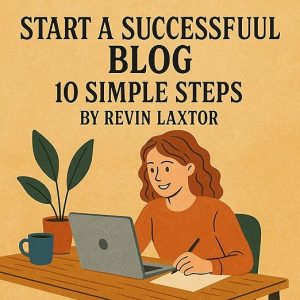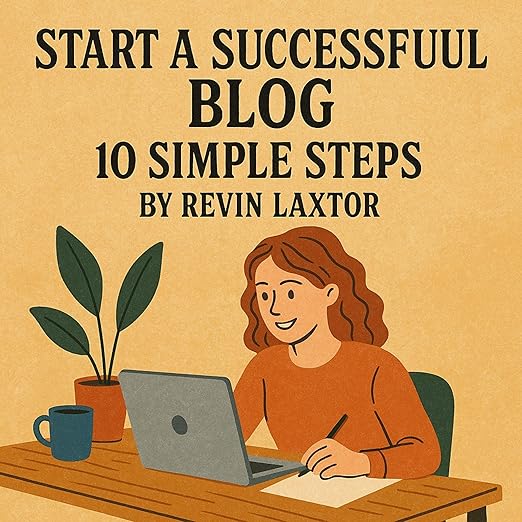
Domain names, hosting plans, and SEO jargon are exactly the vocabulary that stops a new blogger before they write a single post, and this audiobook opens by admitting as much. Revin Laxtor's pitch in Start a Successful Blog: 10 Simple Steps rests on a comparison I think earns its keep: building a blog, the synopsis argues, is 'much like learning to cook a new dish, you don't invent the recipe on day one'. At two hours and twenty-nine minutes, this is a lunch-break commitment rather than a sprawling technical manual, and narrator Stephen Plaushin keeps the pace brisk enough that the short runtime never feels rushed. This is one entry in the Zentara Tech Essentials line, a shelf of short, single-topic tech primers, and the format shows: expect a tightly scoped walkthrough rather than an exhaustive reference guide.
Niche Discovery Resists Collapsing Into Pure Narrowness
The ten-step structure moves in the order a beginner actually needs it, not the order a marketer might pitch it. Laxtor opens with niche discovery, warning against going too broad and instead pointing listeners toward the overlap between personal passion and reader need, before moving into the more mechanical decisions: picking a domain name that's short, memorable, and brandable, then choosing between shared, VPS, and managed hosting once uptime and customer support actually matter. None of this is glamorous, and none of it is meant to be. It's scaffolding, and scaffolding is exactly what a first-time blogger is missing.
What struck me most is how the book refuses to let niche discovery collapse into pure narrowness. Whether you want to blog about travel, food, fitness, or personal development, the throughline stays the same: find the specific angle only you can offer, then build outward from there. That's a more useful frame than the usual advice to just pick a topic and hope, and it's the kind of practical grounding that separates a real guide from a marketing pamphlet dressed up as one.
The synopsis frames the payoff in practical terms too: a blog as 'an opportunity to share your passions, build your personal brand, connect with like-minded readers, and even open the door to new income streams'. That last promise is the one I'd flag hardest. Nothing in the ten-step outline suggests income arrives quickly, and a responsible beginner's guide shouldn't imply otherwise; what this book actually delivers is the infrastructure, niche, domain, hosting, that has to exist before monetization is even possible, not a shortcut around the months of unpaid work most successful blogs require before they earn anything.
Plaushin Reads Like a Colleague Over Coffee
Stephen Plaushin narrates this like a colleague walking you through a checklist over coffee, not a lecture. No dramatic flourish colors a chapter about choosing web hosting, and none should; what this material needs is clarity and a pace slow enough to let a listener actually retain terms like uptime and managed hosting on a first pass. He delivers that. For a subject this practical, an unfussy, well-paced read matters more than personality, and that's exactly where this narration succeeds.
The five-star average from forty-seven ratings suggests this lands with its intended audience, and I'd guess that audience skews toward people who've already tried and abandoned a blog once before. Ten discrete steps mean a listener can pause after the domain-name lesson on one commute and pick up the hosting comparison on the next without losing the thread, which is a real advantage over a single continuous lecture that assumes an uninterrupted two-and-a-half-hour sitting.
The lunch-break framing baked into the Zentara Tech Essentials line suits commute or errand listening better than a sit-down study session, and that's a deliberate choice, not a limitation. A beginner overwhelmed by jargon doesn't need a dense lecture; short, focused audio in gaps of an already-busy day mirrors exactly how someone actually finds time to start a side project in the first place.
Only the First Few Steps Get a Preview
The genre this sits in is enormously crowded; how-to-start-a-blog guides are a cottage industry unto themselves, and a two-and-a-half-hour audiobook cannot compete with a much longer technical manual on the finer points of SEO or monetization funnels, nor should it try to. What it can do, and what it seems to do well based on the material here, is compress the decision fatigue of the first month into something a beginner can act on without freezing up. Listeners hoping for deep technical detail on advanced SEO tactics or specific monetization platforms will want a more specialized follow-up resource once the basics here are handled.
A structural question is also worth naming: the synopsis previews only the first few of the ten steps in detail (niche, domain name, hosting), so it isn't fully clear going in how the back half, covering plugins, content strategy, and the actual monetization mechanics, gets the same careful treatment as those well-explained opening steps. Given the strong rating average, I'd guess it does, but a listener should know the front-loaded steps are the ones the marketing copy actually shows off.
Ten Steps Beg to Be Checked Off Somewhere
A format tension is also worth naming for anyone hoping to use this as an actual working checklist: ten sequential steps practically beg to be checked off one by one, and audio doesn't offer anywhere to tick a box. Keeping a notes app open, or printing a simple checklist before starting, translates the audiobook's structure into something you can actually track progress against, rather than just trusting memory to hold ten steps in order.
That's a reasonable tradeoff for a two-and-a-half-hour format, but it's worth knowing which half of the book is getting the fuller treatment before pressing play.
Blank Dashboard Paralysis Gets an Actual Plan
Anyone staring at a blank blog dashboard for the first time, paralyzed by domain names and hosting tiers they don't understand yet, gets the most out of this audiobook. It's built for the exact moment of overwhelm the synopsis describes, and a short, sequential format suits that moment better than a dense reference text would. New bloggers in any niche, travel, food, fitness, or something more idiosyncratic, should walk away with an actual plan rather than just inspiration.
It's also worth a listen for anyone still deciding whether blogging is worth the effort at all, not just people who've already committed. The niche-discovery framing in particular doubles as a gut check: if you can't articulate the overlap between what you care about and what an audience needs after this audiobook, that's useful information before you ever register a domain name.
Bloggers who already have a domain, a host, and a dozen posts published won't learn much new here; this is a beginner's roadmap, not a growth-hacking playbook for an established site. Anyone specifically chasing advanced SEO strategy or a deep dive into monetization platforms should treat this as a starting point at best, not a destination.
Does this audiobook cover advanced SEO and monetization strategies in depth?
Not in real depth. The synopsis previews niche discovery, domain names, and hosting in detail, but at two hours and twenty-nine minutes, advanced SEO tactics and specific monetization platforms get less room than beginners chasing income streams might expect.
Is Start a Successful Blog: 10 Simple Steps easy to follow without the print or ebook edition?
Yes. The ten-step structure is sequential and self-contained enough to follow by ear alone, and the short runtime makes it easy to revisit a single step, like the hosting comparison, without hunting through a longer book.
Do I need any technical background before starting this audiobook?
No. It's written for someone who has never registered a domain name or compared hosting plans, which is exactly the audience the ten-step format targets.
Is this audiobook part of a series, and does it stand alone?
It's part of the Zentara Tech Essentials line of short tech primers, but nothing in the synopsis suggests you need to have heard other entries first; it works as a standalone listen.