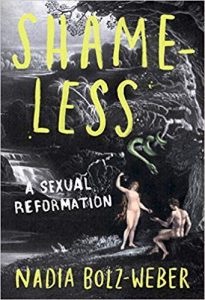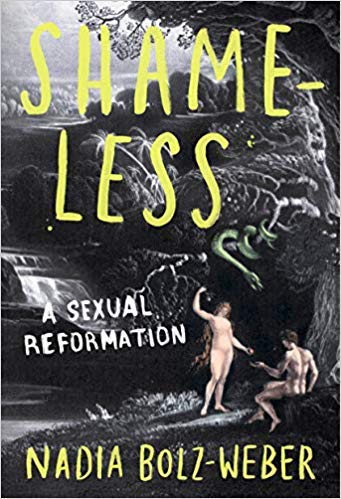
I first encountered Nadia Bolz-Weber through Accidental Saints, which sits on my shelf with more dog-ears than I intended. That book earned its place through the kind of theological writing that does not let you stay comfortable, it demands something back from the reader. Shameless is, if anything, more demanding. I finished it over a long weekend and found myself underlining passages I needed to argue with before I could agree with.
The book is tagged under erotica in some catalog systems, which is a spectacular misfiling. Shameless is a work of theological argument, memoir, and polemic. Its subject matter is sexuality and the body, but its project is a critique of the shame-based sexual theology that has shaped evangelical and conservative religious communities for generations. Bolz-Weber is an ordained pastor of the ELCA, and she brings the full weight of that tradition to bear on the argument, not to abandon Christian faith but to reform one of its most damaging fault lines.
Bolz-Weber's central claim is that the church's obsession with sexual purity culture has done quantifiable harm to real people, particularly women, LGBTQ+ individuals, and survivors of sexual violence who have been told their damage is their own fault. She documents this harm through stories, through scripture, and through the kind of unflinching personal disclosure that characterizes all of her writing. When she calls for burning down antiquated, sexist ideas about sex and gender "the f*ck down and starting all over," she is not being provocative for its own sake. She has the receipts.
The argument she builds is rooted in a specific theological claim: that the body is good, that sexual pleasure is not inherently sinful, and that a church which teaches otherwise is not being faithful to the full arc of scripture. This is not a new argument in liberal Protestant theology, but Bolz-Weber makes it with unusual directness and a refusal to soften her own story in service of the argument. Her vulnerability is not performed, it is the ground the argument stands on.
The Strengths
The audiobook format amplifies what is already one of Bolz-Weber's greatest assets as a writer: her voice. Her prose sounds like speech, earthy, specific, occasionally profane, and always honest. Listening rather than reading sharpens the feeling that this is a person talking directly to you, not an author performing vulnerability for a publisher.
The single available review captures something essential about the book's intended audience: "If you've had someone tell you that God doesn't love you because x, y, z, and it was harmful to you... this book is for you." Bolz-Weber writes the book directly toward that wound. The early sections on how religious shame becomes internalized as physical and psychological damage are some of the most careful and compassionate writing she has produced. The book does not wallow in that damage, it uses it as a foundation for building something else.
Weak Spots in Shameless
Readers who come to this book expecting a systematic theology will not find one. Bolz-Weber argues by accumulation, story layered on story, scripture passage laid against cultural artifact, personal disclosure set alongside pastoral observation. It is a persuasive mode, but it does not build toward a tightly organized doctrinal position. Some readers will find that the argument feels more emotional than logical by the end, and that is a fair critique.
She also does not hedge her conclusions for a conservative audience. If you are deeply committed to traditional Christian sexual ethics, this book is not trying to meet you halfway, it is arguing that those ethics are themselves the problem. That directness will be experienced as liberating by some listeners and as reckless by others. Knowing which camp you are in before starting will save you from expecting a different book.
Recommended For
This is written for people who grew up in religious environments where their sexuality was a source of shame, judgment, or harm, and who are still carrying that weight. It is for people who have been told that their bodies are dangerous, that their desires are evidence of moral failure, that God cannot love them because of who they are or what happened to them. Bolz-Weber writes toward those specific wounds with unusual precision. Readers comfortable with the status quo of conservative Christian sexual theology are not the intended audience and will likely find the book offensive rather than illuminating.
In Brief
- Performance: The narrator field in the metadata references photographic content from a physical edition; the audiobook narration experience centers on Bolz-Weber's raw, direct voice engaging with the text.
- What it covers: Religious shame and sexuality, theological reformation, embodied grace
- Feel: Honest and confrontational, leavened with humor and hard-won compassion
- Our call: A bracing and necessary book for anyone who has been wounded by religious messages about sex and the body, Bolz-Weber argues her case without softening it.