Quick Take
- Narration: Virtual Voice AI narration for intimate educational content is a significant mismatch, the robotic register undermines any warmth the material needs.
- Themes: Sexual psychology, physiology of arousal, performance and pleasure
- Mood: Listicle-brisk, title-heavy, lacking the warmth the subject demands
- Verdict: At 61 minutes and narrated by an AI voice, this delivers surface-level content at a runtime that barely qualifies as a listen, curious readers will find substantially more elsewhere.
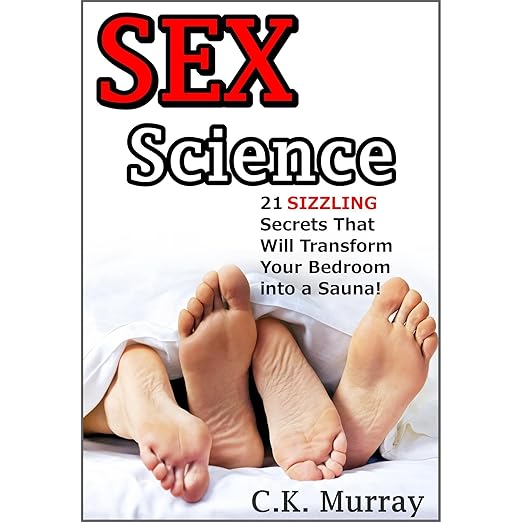
Let me start with the runtime: one hour and one minute. That’s the full length of Sex Science: 21 SIZZLING Secrets, which promises to be a “definitive guide to human sexuality.” I’ve listened to longer podcast episodes. For context, Joan Price’s The Ultimate Guide to Sex After Fifty, which actually earns that “definitive” claim, runs to seven and a half hours. What C.K. Murray has assembled here is a very short introduction to a very large topic, dressed in superlative marketing language that the content cannot support.
The narrator is listed as Virtual Voice, which is Audible’s AI narration program. I’ve written elsewhere on this site about the specific problems that arise when Virtual Voice is paired with content that requires warmth, intimacy, or emotional presence. Sex education and intimacy guidance are among the worst possible matches for robotic narration. The subject matter requires the human qualities, a voice that conveys ease with the material, the ability to modulate for humor or gravity, the implicit sense that the speaker has lived some version of the experience being described. An AI voice delivers none of these things. The 3.5-star average from 21 reviews reflects a mixed response, and it’s not hard to imagine that the narration is part of what’s dragging it down.
The Listicle Structure and What It Costs
The 21 Secrets format is a content organization choice, and it’s a revealing one. Lists are easy to produce and easy to skim, but they resist the kind of layered understanding that genuine sex education requires. The topics promised in the synopsis, the G-spot, lasting longer, the psychology of porn use, male versus female sexuality, blow job technique, are each complex enough to warrant real treatment. Compressed into a 61-minute runtime with 21 chapters, each topic gets perhaps two to three minutes. That’s enough time to state the obvious, not enough time to build genuine understanding.
The one reviewer who gave this five stars described being impressed by the “invaluable information” and named specific topics from the table of contents. The three-star reviewer said “nothing new.” The gap between those responses is probably a gap in baseline knowledge, the book may genuinely inform someone who has had no prior exposure to this material, but it has nothing to offer anyone who has read even one competent book on human sexuality.
The “Science” Framing and Its Limits
The title positions this as scientifically grounded, “21 SIZZLING Secrets” meets “definitive guide to human sexuality.” Those are marketing frames, not epistemological claims, but it’s worth naming the tension. Popular science writing about sex at its best does something valuable: it translates research into accessible language that helps people understand their own bodies and desires without shame. Emily Nagoski’s Come as You Are is the benchmark for what that looks like done well. At 61 minutes with AI narration, Sex Science is not operating in that tradition regardless of how many times the word “science” appears in its marketing copy.
The chapter on pornography and neural networks is potentially the most interesting section based on its description, as it touches on genuinely contested research around habit formation and desire. But a few minutes is not enough to handle that material with the complexity it deserves, the research is actively debated among sex therapists and neuroscientists, and a listicle treatment will either oversimplify or inadvertently mislead.
Who Should Listen, Who Should Skip
If you have genuinely had no exposure to popular science writing about human sexuality and want a very quick orientation to its major topics, this might serve as a starting point. But given that the same runtime investment would get you into the first chapters of a genuinely substantive book, the opportunity cost is real. Virtual Voice narration in this specific context is a dealbreaker for listeners who want the audio experience to match the intimacy of the content. Skip this one in favor of almost anything longer and human-narrated.
Frequently Asked Questions
Is the Virtual Voice narration tolerable for a 61-minute listen, or does it actively detract from the experience?
Virtual Voice AI narration produces a competent but mechanical delivery. For technical or procedural content, it can be acceptable. For intimate subject matter like sexual education, which benefits enormously from warmth, ease, and human presence in the voice, it creates a significant mismatch that the mixed review scores appear to reflect.
Is there meaningful scientific sourcing in the content, or is the “science” framing purely marketing?
The synopsis names specific topics (brain chemistry, neural networks, G-spot research) that do have scientific literature behind them, but at a 61-minute runtime the treatment of each is necessarily surface-level. There’s no indication of cited research or referenced studies in the available metadata.
How does this compare to other short-format sex education audiobooks in terms of content depth?
It is among the shortest available titles in this space. Most substantive sex education guides run four to nine hours. At 61 minutes, this occupies the same category as a long article or a podcast episode rather than a book, and the information density is correspondingly limited.
Who is C.K. Murray and what are their credentials in human sexuality?
No professional credentials or background information are available in the metadata for this title. The author is not identified as a therapist, researcher, or certified sex educator. The content appears to be popular synthesis writing rather than specialist professional guidance.