The Short Version
- Narrator: Robyn Green delivers a warm, supportive performance well-matched to recovery content, avoiding both clinical detachment and false brightness.
- Subjects: Post-abstinence rebuilding, identity and purpose in recovery, self-compassion and accountability
- Tone: Grounded and compassionate, practically oriented
- Bottom line: A focused three-hour guide that fills a genuine gap in recovery literature by addressing the rebuilding phase that follows sobriety, best used alongside structured support rather than as a standalone resource.
Rebuilding Begins Where Sobriety Alone Stops
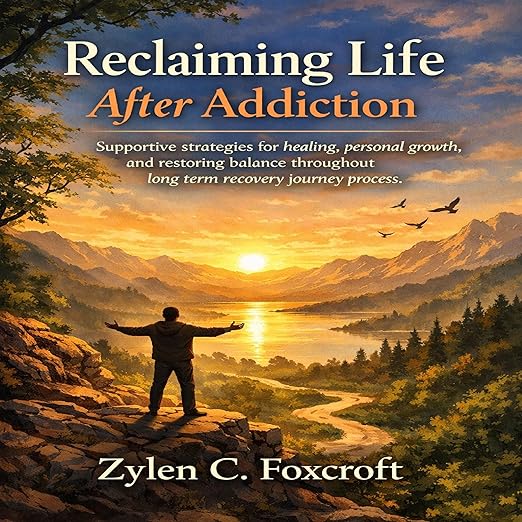
Imagine finishing a substance use program and standing at the threshold of what recovery is supposed to look like, with no roadmap for what happens when the acute crisis has passed. That gap between achieving sobriety and actually rebuilding a life is exactly what this audiobook addresses, and it is a gap that recovery literature has historically underserved. Narrated by Robyn Green, Reclaiming Life After Addiction by Zylen C. Foxcroft runs just over three hours, which is compact for the scope it describes but appropriate for a guide designed to be returned to rather than consumed once.
The book's framing is explicit about its purpose: it begins where many other recovery guides end. Abstinence is treated not as the goal but as the starting line for a second, more demanding project: rebuilding identity, relationships, and personal direction after addiction has shaped both. That is a philosophically honest position, and it distinguishes this text from programs that measure success purely by continued sobriety rather than by quality of life in recovery.
Balancing Accountability and Self-Compassion Without Excusing Either
The practical architecture of this guide sets it apart from more spiritually oriented recovery literature. The key topics covered include restoring healthy routines, repairing relationships, setting and maintaining boundaries, managing triggers, and developing goals that give recovery a positive pull rather than just a negative one. Each of these addresses a specific failure point that counselors and peer support workers recognize: people often relapse not because they lack willpower but because the rebuilt life still has no shape, no purpose, no reason that matters enough.
Foxcroft balances personal responsibility and self-compassion carefully, which is harder than it sounds. A guide that leans too far toward accountability can re-traumatize listeners who already carry significant shame. One that leans too far toward self-compassion can inadvertently excuse avoidance. This book threads the needle by treating sustainable change as a practical discipline: not a matter of feeling better about yourself before doing anything differently, but of building new patterns until the feelings follow the behavior. That sequencing is grounded in cognitive behavioral approaches and reflects current evidence in addiction recovery research.
The guide is also explicitly designed for multiple audiences. Individuals at various stages of recovery will recognize themselves in different chapters. Counselors, peer support workers, and family members seeking to understand the post-abstinence landscape will also find material here that illuminates why the rebuilding phase is so frequently underestimated. This cross-audience design means the audiobook functions differently depending on who is listening and what role they occupy in the recovery ecosystem.
Robyn Green Balances Warmth and Authority
At three hours and one minute, this audiobook covers substantial ground in a compact format. The depth on any individual topic is necessarily limited. Chapters on repairing relationships and managing triggers, for instance, could each sustain a full book on their own. Listeners expecting comprehensive therapeutic guidance will find this a strong orientation and map rather than a complete treatment. The book itself acknowledges this, framing its role as complementary to clinical treatment and peer-based programs rather than replacing them.
Robyn Green's narration suits the material well. Recovery guides require a voice that communicates warmth without condescension and authority without clinical distance. Green delivers a performance that reads as supportive rather than prescriptive, which is exactly the register this kind of content needs to reach listeners who may already be managing significant shame around their history. The tone is consistent and the pacing deliberate, giving listeners room to absorb what they are hearing rather than feeling rushed through a checklist.
The absence of listener reviews in available data makes it harder to assess how the guide has landed with people in active recovery versus those supporting someone through it. The book's design as a supplementary resource rather than a standalone intervention is worth keeping in mind when setting expectations. It will not replace structured support, but as a listening companion for someone navigating the often-isolating transition from treatment to independent living, it offers genuine, usable guidance.
The emphasis on designing a 'recovery lifestyle aligned with your values, strengths, and circumstances' is one of the more sophisticated commitments in the book. Most early recovery guides operate on a deficit model: here is what you lack, here is how to get it. Foxcroft's approach is closer to an assets model: what do you already have, and how do you build on it rather than building from scratch? That shift in framing changes what the book asks of its listeners. Rather than positioning recovery as a process of correcting failures, it positions it as a process of constructing something genuinely new, which is a meaningfully different relationship to one's own history. It also means the audiobook does not require listeners to have hit any particular bottom or completed any specific program before its guidance becomes applicable. The entry point is wherever you currently are.
Confronting What a Purposeful Life Actually Demands
This audiobook is well-suited to individuals who have achieved sobriety and are now confronting the harder question of what a purposeful life in recovery actually looks like day to day. It works equally well for counselors and peer support workers looking for material that addresses the transition from abstinence to active living, and for family members trying to understand why the post-treatment period can be just as fragile as the acute phase.
Listeners expecting an introductory guide to addiction itself or a framework for achieving sobriety will need to look elsewhere. This book begins after that milestone and focuses entirely on what recovery as a life project demands. If you or someone you care about is standing at that particular threshold, this three-hour investment offers a clear, compassionate map for the road ahead.
Is this audiobook appropriate for someone in early recovery or only later stages?
The guide is designed for listeners at various stages of recovery. Those newly sober will find material relevant to immediate rebuilding challenges. Those further along in recovery may engage with the goal-setting and purpose-building sections more directly. It complements clinical treatment at any stage.
At just over three hours, does this audiobook cover enough depth on each topic?
The compact format means the book functions as an orientation and framework rather than a comprehensive treatment of any single subject. Chapters on repairing relationships or rebuilding routines are necessarily brief. The author frames this as a complement to clinical programs, not a replacement, which sets the right expectations for what three hours can realistically deliver.