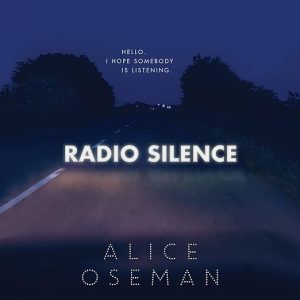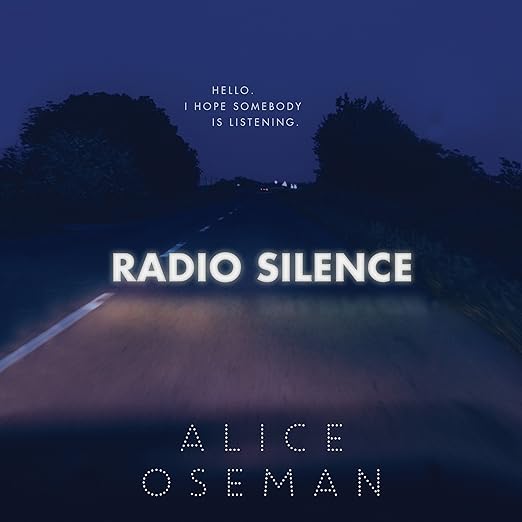
Radio Silence deserves the enthusiasm packed into its five listener reviews, and this audiobook is worth starting even before untangling the odd little math problem sitting on top of it: the page shows a 4.6 average from five ratings, which only works arithmetically if those five ratings total 23 out of a possible 25, two short of a perfect sweep. The five written reviews on file, though, carry star ratings that add up to 24, one higher than that total requires, so the numbers do not quite reconcile. None of that changes what the book itself delivers. Radio Silence was Alice Oseman's second novel, published years before Heartstopper turned Oseman into a household name, and the synopsis frames it as a story about a protagonist whose whole identity is built on other people's expectations, cracked open by one unlikely friendship.
Frances Janvier is introduced as a study machine aimed at one target, an elite university place, with nothing allowed to get in the way, not friends, not a guilty secret, not even the parts of herself she keeps hidden. The synopsis frames Aled, the quiet creator behind her favorite podcast, as the person who unlocks what it calls Real Frances, giving her a taste of friendship without a performance attached to it. Then the podcast goes viral and that fragile trust breaks, sending Frances back into the guilt she has been holding about why Carys disappeared in the first place. Aysha Kala narrates the full ten hours and twenty-three minutes. Structurally, the synopsis keeps two threads running at once: Frances's public unraveling at school and university, and Aled's private one, described only as him fighting darker secrets alone once he gets there. The book was published by HarperCollins in 2017, well before Heartstopper turned Oseman into one of the best known names in YA today, and reading it now means meeting that voice before the wider audience arrived.
The Best Parts of Radio Silence
The response attached to this title runs deeper than most: five reviews, several of them among the most personally invested you will find for a YA book this specific. One reviewer describes finishing the book in a single sitting after not expecting to, and says the story stayed with them the way few books do; another calls it an incredible read discovered through a themed readathon, and says they had never related to a book this closely despite reading widely in contemporary YA. A third reviewer, who says the emotional journey resonated specifically as a demisexual reader, describes the isolation and confusion Aled works through as deeply relatable rather than abstract. A fourth reviewer keeps returning to two lines repeated in the book itself, about hoping somebody is listening and being stuck in Universe City, Aled's fictional podcast, and calls the friendship between the two leads adorable enough to have reread the book more than once. That range of responses, from readers who found themselves in Frances's perfectionism to readers who found themselves in Aled's isolation, says more about the book's reach than any single plot summary could, and it is rare to see five reviews agree so consistently on why a book mattered to them personally rather than simply whether they enjoyed it.
Before You Commit to Radio Silence
One reviewer opens with a direct content warning covering death of an animal, parental abuse, suicide ideation, depression and discussion of mental illness, and that list is worth taking at face value before starting, since none of it is softened in the synopsis itself, which mentions Frances confronting her past and Aled fighting darker secrets without specifying what those secrets involve. The book also runs a dual mystery under its coming-of-age plot, Carys's disappearance, that the synopsis deliberately withholds detail on, so anyone expecting a straightforward friendship story should know a heavier thread runs underneath it. The synopsis leans hard on themes of identity, the pressure to succeed and the freedom to choose, and the five reviews mostly confirm that framing rather than complicating it: what shows up repeatedly is readers recognizing pieces of their own adolescence in Frances and Aled rather than readers debating plot mechanics. The rating math flagged earlier, five ratings that need to total 23 for the 4.6 average against five written star ratings that add up to 24, is a small enough gap that it likely reflects rounding or a tally taken at a slightly different moment than the reviews shown, rather than anything more concerning.
Should You Listen to Radio Silence?
This one is for listeners who want YA that treats a teenager's identity crisis and a friendship's collapse and repair with real weight, and specifically for anyone curious about Oseman's work before Heartstopper existed. It also suits listeners who appreciate podcasts and internet-adjacent storytelling as a plot device, since Aled's show, Universe City, functions as both a plot engine and a symbol of the self he can only be anonymously. This is not the right choice if the content warning above, covering an animal's death, parental abuse, suicide ideation, depression and mental illness, describes territory you would rather avoid right now; the synopsis does not signal how central that material is, so it is easy to go in unprepared. A slow-burn friendship story with a mystery folded in underneath will also test the patience of anyone wanting a plot-forward YA thriller instead, since the pace here follows Frances's internal state more than external events. Five enthusiastic reviews and a genuinely distinctive premise make a decent case for everyone else who is on the fence.
In Brief
- Narration: Aysha Kala narrates the full ten hours and twenty-three minutes.
- Themes: identity and self-invention, friendship and betrayal, podcasting culture
- Mood: Intimate and emotionally raw
- Verdict: A personally resonant coming-of-age story best suited to listeners ready for its content warnings, not just its podcast hook.
Does the Radio Silence audiobook connect to Alice Oseman's Heartstopper books?
Not directly in story terms. Radio Silence is Oseman's second novel, published before Heartstopper existed, and the synopsis does not link the two beyond naming Oseman as Heartstopper's author. Listeners curious about Oseman's work before that later series became a Netflix hit will find that voice already fully formed here.
Why does the Radio Silence audiobook page show a 4.6 rating from five ratings when the star totals do not quite add up?
The five ratings need to total 23 out of a possible 25 to produce a 4.6 average, two short of a perfect sweep, but the five written reviews carry star ratings that add up to 24 on their own. The small gap likely reflects timing or rounding rather than anything more significant.