Quick Take
- Narration: Kevin Theis delivers the instructional material clearly and at an accessible pace, though the generic how-to format leaves little for any narrator to distinguish.
- Themes: Podcast setup and production, audience growth strategy, content monetization basics
- Mood: Friendly and practical, with the scope limitations of any single volume trying to cover an entire medium
- Verdict: A functional surface-level orientation for complete beginners, but the rapidly evolving podcast landscape means some specifics will require verification before acting on them.
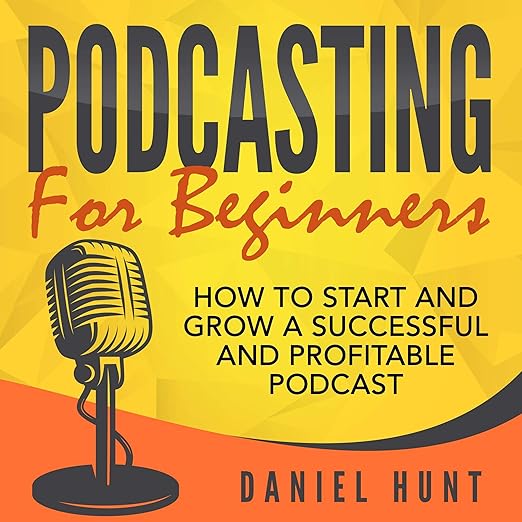
There is a version of this review I could write that starts with some elaborate parallel between podcasting and literary criticism, two fields built on voice and sustained attention. I will skip that. Podcasting for Beginners by Daniel Hunt is a practical orientation for people who have decided they want to start a podcast and need a structured introduction to the decisions involved. It is best evaluated on whether it accomplishes that specific goal, which it largely does, within predictable constraints.
The book covers the full production pipeline as of its publication date, from technical equipment decisions and recording software through editing, uploading, and distribution, then moves into audience development and monetization. One reviewer, who described picking it up specifically to understand what they needed to do to get their podcast up and running, found it covered exactly what they needed to begin. That is the right use case: a first orientation for someone with no prior production experience.
The Technical Foundation Chapter
The sections on must-have technical tools and equipment are where Podcasting for Beginners provides the most durable value. The basics of audio recording have not changed as dramatically as platform and distribution tactics have: you need a microphone with reasonable pickup quality, a quiet recording environment, and editing software that can handle noise reduction and file export. Hunt covers these decisions at a level appropriate for someone who has never thought about bit rate, sample rate, or the difference between dynamic and condenser microphones. For that reader, the explanation is genuinely useful.
One reviewer noted that the field changes quickly enough that detailed technical recommendations can be outdated within a year or two, which is an accurate observation about any instructional book covering technology. The audio version adds a particular wrinkle here: listeners cannot easily skim to check whether a specific software recommendation is still current, which print readers can do with a quick scan. For a topic where platform interfaces and tool options change frequently, audio is not the optimal format for this kind of reference material.
Audience Growth in the Current Landscape
The chapters on getting free traffic and building an audience reflect strategies that were sound when written but have been complicated by increased competition in the podcast space and changing search and discovery mechanics across platforms. The advice to focus on a specific niche, publish consistently, and leverage social media for discovery is correct in principle, but the specific tactics for any of those three things have shifted considerably as podcast directories and recommendation algorithms have evolved.
At 3 hours and 26 minutes, the book is short enough that none of these topics can go very deep. It is structured as a starting framework rather than a comprehensive guide, and listeners who understand that limitation going in will calibrate their expectations accordingly. The monetization chapter covers advertising, sponsorships, and premium content models at a high level without the tactical specificity that would make it actionable without additional research.
Kevin Theis and the Generic Instructional Format
Theis narrates competently. The challenge with instructional how-to content is that the narrative arc is weak by design, and there is limited scope for performance to elevate material that is structured as a list of considerations rather than a story. He reads clearly at an accessible pace, which is what the format needs. The format itself is the limitation: this is not a book that rewards repeated listening, and the audio version is primarily useful for people who absorb information better by ear than by page.
Who Should Listen and Who Should Skip
Right for: complete beginners who want a structured overview before making any equipment purchases or platform decisions, and who find audio a more comfortable entry point than written guides. Not right for: anyone who has already launched a podcast and wants to improve specific aspects of their production or growth, or anyone looking for current platform-specific tactics. The 3.5-hour runtime and accessible structure make it a low-investment starting point, but its value as a reference diminishes quickly once you move past the orientation stage.
Frequently Asked Questions
Does Podcasting for Beginners include specific equipment recommendations, and are they current?
The book includes equipment guidance in the must-have technical tools chapters, but specific product recommendations in technology-focused instructional books date quickly. The underlying criteria for choosing a microphone, interface, or recording environment are more durable than specific model recommendations, and listeners should verify any specific products mentioned against current reviews before purchasing.
Is the 3.5-hour runtime enough to cover everything a new podcaster actually needs to know?
At 3.5 hours, the book is designed as an orientation rather than a comprehensive guide. It covers the full production pipeline at a high level, from equipment through distribution and monetization, which is appropriate for a first introduction. Listeners who want depth on any specific aspect, particularly audience growth or monetization, will need to supplement it with additional resources.
Does the audio format work well for this kind of technical instructional content?
With limitations. Listeners cannot skim back to check a specific technical detail the way print readers can, and the book references decisions that benefit from visual comparison, like comparing interface software options. The audio format works for the conceptual overview sections but is less suited to technical reference. The book does not include a companion PDF, which some comparable titles provide.
How does Podcasting for Beginners compare to free online resources for new podcasters?
The book’s advantage over fragmented online resources is its structured linear progression from setup through growth and monetization, which prevents the overwhelm that comes from trying to assemble a framework from scattered blog posts and YouTube tutorials. Its disadvantage is that online resources can be updated continuously while a published book cannot. It is a useful starting point, but should be understood as an orientation layer rather than a replacement for current-state research.