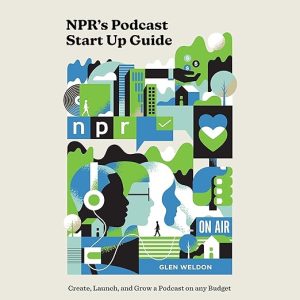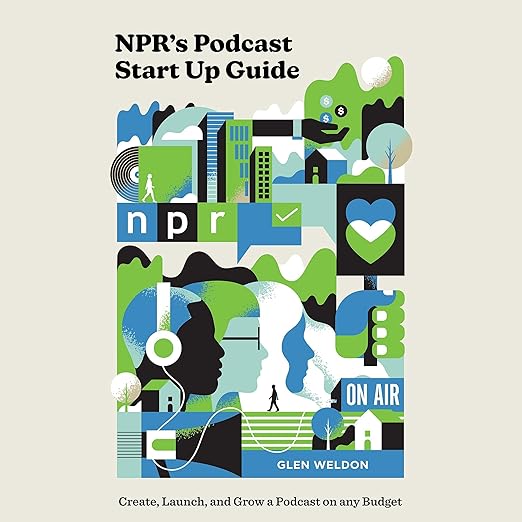
Podcasting's central paradox is that the technical barrier to entry is genuinely low while the quality barrier to audience retention is high, and most books about starting a podcast either ignore the second half of that problem or treat it as a matter of equipment upgrades. NPR's Podcast Start Up Guide, written by Glen Weldon and narrated by Weldon himself in the audiobook version, addresses the quality question directly because it is written by someone embedded in an organization whose entire identity is built on audio quality. Weldon draws on NPR's internal educational materials and a roster of working contributors to deliver instruction that feels earned rather than assembled.
Guy Raz and Gene Demby Join the Roster
The guide's roster of contributors is one of its genuine differentiators. Guy Raz from How I Built This, Gene Demby from Code Switch, Linda Holmes from Pop Culture Happy Hour, Yowei Shaw from Invisibilia, plus engineers, producers, and editors who are usually invisible to audiences: this cross-section gives the audiobook a quality that single-author podcasting guides typically cannot match. You are getting multiple perspectives on the same craft problem from people who handle different parts of the production chain. The format is part master class, part candid informational interview, and the candor is its defining quality.
The guide is structured to take a listener from concept through launch rather than front-loading all the theoretical framework and deferring the practical work to later chapters. Weldon addresses how to find a topic that is genuinely yours, how to structure a story for audio rather than transferring print logic to a microphone, how to engage listeners from the first thirty seconds, and what separates the production choices that elevate a podcast from the ones that mark it as a beginner effort. Reviewers who came to the guide as self-described newbies described it as the most helpful out of multiple podcasting guides they consulted, which speaks to how the guide handles both the technical and the conceptual dimensions simultaneously rather than siloing them.
The storytelling section is the strongest in the guide and the most transferable. Weldon covers the difference between a topic and a story, the structure of a compelling audio narrative, and the specific techniques that NPR producers use to hold listener attention across an episode. These principles apply across podcast genres, from interview formats to narrative journalism to comedy, and they represent the kind of craft knowledge that most competing guides gesture toward without actually delivering. A reviewer who came to the book as a newbie described getting the best advice for serious podcasters and newcomers simultaneously, which reflects the genuine range Weldon covers.
Weldon Demonstrates the Technique He Describes
The audiobook format is the correct format for this book, and Weldon's self-narration is the argument. He is a working critic and broadcaster whose ear for audio is constitutive of his professional identity. He narrates the material with natural rhythm, appropriate emphasis, and the kind of unconscious engagement with the audio medium that you want in a guide about audio. Listening to him discuss microphone technique, interview pacing, and listener psychology while demonstrating those same principles in his delivery makes the guide self-referential in the best possible way.
At 7 hours and 44 minutes, the runtime fits comfortably within a week of regular listening sessions without demanding marathon commitment. The practical value is high and immediate: the technical and the conceptual are mixed throughout rather than siloed, so you are always working on both the what and the why simultaneously. One reviewer described finding the information very worthwhile and the format interesting and easy to follow, which matches the structure Weldon uses.
Fiction and Audio-Drama Podcasters Should Look Elsewhere
The guide reflects NPR's specific orientation toward journalism, storytelling, and nonfiction audio. Podcasters whose ambitions are primarily in fiction audio, tabletop gaming, or highly production-heavy formats like audio drama will find less that is directly applicable here. The book addresses interview-based and narrative nonfiction podcasting with depth, but it does not claim to cover the full spectrum of podcast formats equally. That limitation is honest and appropriate given the source, but it is worth knowing before you invest your listening time.
The landscape of podcast hosting platforms, distribution tools, and production software moves faster than any print or audio guide can track. Weldon covers the relevant tools available at time of writing, but specific platform recommendations may be somewhat dated depending on when you encounter this audiobook. The principles of storytelling and audience engagement that occupy most of the guide are durable; the specific technical recommendations benefit from cross-referencing with current resources before you make purchasing or platform decisions.
For Podcasters Who Want Craft Over Monetization
This audiobook is built for aspiring podcasters who understand that microphone purchase is the easy part and want serious instruction on the harder question of what to say once the microphone is on. Journalists, writers, and content creators who want to move into audio and want to do it with a sense of craft rather than experimentation will find this the most substantive starting point available. Experienced podcasters who started without formal instruction and want to audit their process against professional standards will get real value from the storytelling and engagement sections. Those looking primarily for platform comparison guides or monetization strategy should supplement this with more business-oriented resources; craft is Weldon's primary territory and he covers it thoroughly.