"Loveology" arrives on this listing with exactly one rating on record, and the math is direct enough to state plainly: a single vote adding up to a 5.0 average means that one listener rated it a perfect five, though with zero written reviews attached, that's the only listener feedback available before pressing play on this audiobook.
John Mark Comer, described in the synopsis as "a popular pastor and speaker," narrates this material personally, breaking down sex, love, marriage, romance, dating, and singleness through a specifically theological lens, opening from what the synopsis frames as the point where things went wrong after "the Garden of Eden beginning." The pitch is direct: a new theology of love, built from the premise that a divine origin for the whole arrangement still has something meaningful to say to a modern audience working through these same questions.
At five hours and six minutes, this sits on the shorter end for a relationships and theology audiobook, self-narrated by the person who wrote it, which usually signals a personal, direct-address delivery rather than a more clinical third-person reading, though with zero reviews attached, no listener testimony yet exists to confirm exactly how that plays out across the full runtime.
Structured as a series of direct questions rather than declarative claims, the synopsis itself asking what went wrong after Eden and what a divine source for love and relationships still has to say now. That question-driven framing suggests a more conversational, exploratory tone than a straightforward instructional relationships guide might take, closer to a sustained argument being worked out loud than a checklist of advice delivered from on high.
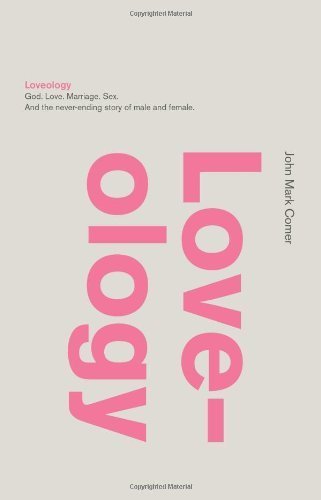
Loveology fuses "love" with the suffix usually reserved for a field of formal study, theology, biology, psychology, signaling from the cover alone that this treats love as a subject with its own internal logic and structure, worth the same rigor a listener might expect from a course rather than a looser inspirational talk. That word choice sets expectations for a more systematic argument than a typical relationships memoir would promise.
Why It Works in Audio
Self-narration by the author carries real weight for this kind of material specifically. A pastor and speaker walking listeners through a theology of love in their own voice, rather than a hired narrator's, matches the direct, personal register the synopsis itself promises, closer to a sermon or a talk delivered live than a traditionally narrated nonfiction book read from a script by someone else.
Scope here is broad by design, covering sex, love, marriage, romance, dating, and singleness in a single five-hour runtime, which suggests a survey of the whole territory rather than a deep dive into any one relationship stage, useful to know if you're looking for guidance on a specific life stage versus a broader unifying framework tying them all together.
Zondervan, the publisher of record here, is a name recognizable within Christian publishing specifically, which is a reasonable signal about the audience this recording was built for from the outset: readers and listeners already inside or adjacent to that faith tradition, rather than a general secular audience encountering theological relationship advice for the first time without any prior context for the framework being used.
Things to Know Before Starting Loveology
This audiobook is filed under health and wellness with a sexual and reproductive health tag, categories that undersell what the synopsis actually describes: a theological argument grounded in a specific faith framework, not a secular self-help or clinical health guide. Anyone browsing by genre tag alone could reasonably expect something quite different from what's actually inside this particular recording.
With zero written reviews and only a single rating on record, genuinely no outside listener feedback exists here beyond the synopsis itself; go in aware that you'd be an early adopter of this specific audio edition rather than relying on any accumulated track record from other listeners who came before you.
The synopsis frames its central question directly, asking what a divine source for the whole arrangement still has to say to a modern audience, which puts real weight on how convincingly the argument connects an ancient framework to present-day dating, marriage, and singleness. Whether that connection lands will likely depend heavily on how much a given listener already shares Comer's starting theological premises going in, more so than with most secular relationships audiobooks, where the underlying assumptions tend to need less buy-in from a listener before the practical advice can land.
Who Will Get the Most From It
This one rewards listeners specifically looking for a Christian theological framework on relationships, sex, and singleness, delivered directly by the author in their own voice, and it asks in return a real comfort with a pastor-and-speaker register rather than a secular relationships-advice format built around clinical language.
Steer clear if you're browsing by the health-wellness or sexual health tags expecting secular, clinical content, since the actual material is built on a specific faith framework, or if you'd rather wait for more listener reviews to accumulate before committing five hours to an audiobook with only one rating currently on record. Given the price of twenty-three eighty-eight for a five-hour listen, this sits at a reasonable cost-per-hour for nonfiction generally, even without other listeners' experiences yet to weigh against that number, though that comparison is admittedly a rough one until real listener feedback starts to accumulate on this specific title and edition going forward.
Quick Take
- Read by: John Mark Comer narrates this material personally, giving this audiobook a direct, personal delivery suited to its pastor-and-speaker framing.
- At its heart: theology of love, sex and marriage, singleness
- Vibe: Direct and reflective
- Short version: Worth it for listeners wanting a specifically faith-based relationships framework, though the track record here is still just one rating.