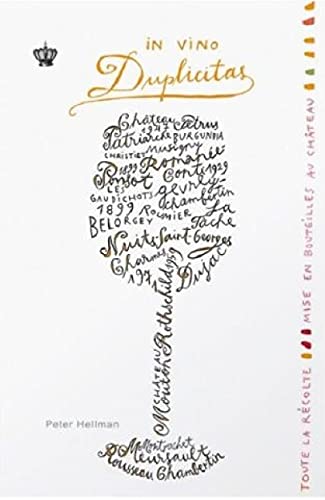
Quick Take
- Narration: Charles Constant narrates the Romanian-language edition; no English narration track is available for this version.
- Themes: Wine fraud and obsession, the psychology of deception, the intersection of connoisseurship and vanity
- Mood: Propulsive and morally complex, with the atmosphere of a financial thriller
- Verdict: The English-language edition of this story about Rudy Kurniawan’s extraordinary wine fraud is a genuine page-turner; this Romanian release is the translation for that audience.
In Vino Duplicitas is a book I have followed in its various editions since Peter Hellman first brought together the full story of Rudy Kurniawan, the man who perpetrated what is widely described as the most stunning wine fraud in recorded history. The English-language version has been available for several years and belongs firmly in the tradition of financial crime narrative that counts books like Bad Blood and The Smartest Guys in the Room as touchstones. The Romanian edition, narrated by Charles Constant, represents that same story reaching a new audience.
Kurniawan was a young Indonesian-American collector who appeared in the early 2000s wine world with seemingly inexhaustible resources, an extraordinary palate, and access to bottles that major auction houses and collectors were desperate to acquire. He was selling rare Burgundy at prices that made serious collectors’ eyes water, and for years, the most sophisticated wine experts in the world were convinced. The fraud collapsed when a meticulous Burgundy producer, Aubert de Villaine of Romanee-Conti, noticed bottles purporting to be from vintages before his domaine had produced that particular label. The investigation that followed uncovered a counterfeiting operation of remarkable sophistication conducted from Kurniawan’s Arcadia, California home.
Our Take on In Vino Duplicitas
Hellman is a wine journalist of long standing, and his account benefits from both deep subject knowledge and genuine investigative rigor. He understands what makes rare Burgundy valuable, which means he can explain precisely what Kurniawan’s operation required technically: the sourcing of appropriate empty bottles, the selection and blending of wines to approximate target profiles, the recorking and resealing that had to withstand expert scrutiny. The process Hellman describes, where Kurniawan looked at an empty bottle and knew exactly which combination of available wines would reproduce its flavor memory, is one of the more extraordinary portraits of a criminal mind in recent nonfiction.
The cast of characters surrounding Kurniawan is also richly drawn. The FBI agent who pursued the case persistently, the billionaire collector who eventually became his most prominent accuser, the young federal prosecutor with her own wine enthusiasm who built the case against him: each figure is specific and human rather than instrumental to the plot.
Why Listen to In Vino Duplicitas
The audiobook format suits this material well. Hellman’s prose moves at the pace of a thriller even while doing the work of detailed journalism, and hearing it narrated sustains momentum in a way that reading can sometimes interrupt. The Romanian edition narrated by Charles Constant introduces this story to an audience that may be encountering it for the first time, which is in some ways the ideal position: knowing nothing of the outcome makes every scene where Kurniawan is celebrated in the wine world carry its own dramatic irony.
For listeners approaching the English-language version, the approximately eight-and-a-half-hour runtime is well-proportioned to the story’s scope. It does not overstay its welcome; the pacing reflects Hellman’s confidence in the material.
What to Watch For in In Vino Duplicitas
A note on the edition reviewed here: the synopsis and catalog data indicate this is the Romanian-language version published by Baroque Books and Arts in December 2020. The language field confirms Romanian, and the synopsis reproduced is in Romanian. English-language listeners should seek the original English edition rather than this translation. The core story is the same across editions; what changes is the narrator and the language.
The book also raises questions it does not fully answer about culpability and complicity. Several people in the wine world bought from Kurniawan with enough awareness of the prices’ implausibility to prompt uncomfortable questions about what they were actually choosing to believe. Hellman addresses this but does not press hard on it. Readers who want a more morally prosecutorial account may find the book more sympathetic to the ecosystem that enabled Kurniawan than they would prefer.
Who Should Listen to In Vino Duplicitas
Listeners drawn to financial and luxury goods fraud narratives, wine enthusiasts interested in the mechanics of authentication and the culture of high-end collecting, and general readers who appreciate well-researched long-form crime journalism will find this one of the stronger books in the genre. Romanian-language listeners now have access to what has been a highly regarded English-language text. Those seeking the English version should verify they are selecting the correct edition, as the catalog entry reviewed here is specifically the Romanian translation.
Frequently Asked Questions
Is this the Romanian translation of In Vino Duplicitas, or is an English version available?
This catalog entry is the Romanian-language edition narrated by Charles Constant and published by Baroque Books and Arts. The original English-language version of Peter Hellman’s book is available separately and is the version most listeners outside Romanian-speaking markets will want.
What makes Rudy Kurniawan’s wine fraud different from other luxury goods counterfeiting cases?
The scale, sophistication, and duration of the fraud, combined with the extraordinary sensory skill Kurniawan demonstrated in blending wines to approximate target profiles, set it apart. He was not simply relabeling inferior products; he was reconstructing wines from memory and available components in ways that fooled some of the most credentialed palates in the world.
Does Hellman’s account take a position on whether Kurniawan was the primary villain or partly a product of a complicit wine establishment?
Hellman raises but does not aggressively pursue the question of how much the wine world’s own culture of vanity and exclusivity enabled the fraud. The account is more focused on the mechanics and personalities of the case than on systemic critique, though the question is present in the background.
Is knowledge of wine necessary to follow and enjoy In Vino Duplicitas?
No. Hellman explains the relevant wine culture and the significance of the bottles involved clearly enough that non-enthusiasts can follow the story. The fraud works as a narrative regardless of whether you can distinguish a Burgundy from a Bordeaux.