In Brief
- Voice: Virtual Voice narration; flat and functional delivery that does not dramatize the content, which is fine for a reference-style how-to audiobook but limits engagement during the business and marketing chapters.
- Big ideas: craft entrepreneurship, home-based business setup, fragrance selection and product development
- Atmosphere: Practical and step-by-step
- Worth it?: A compact, accessible entry point for hobbyist crafters considering whether a soap and candle side business is viable, with solid coverage of both the making and the selling sides of the operation.
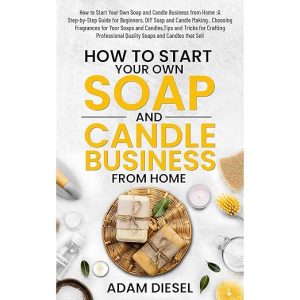
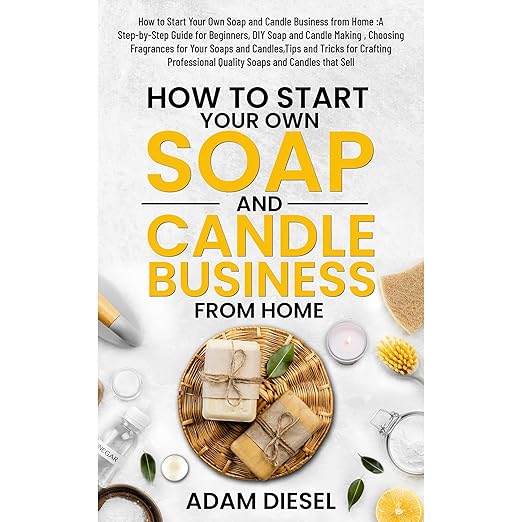
Craft-to-business audiobooks occupy a specific niche that can be tricky to pull off. The audience tends to split between people who already know how to make the product and want the business framework, and people who are genuinely new to both and want the full picture from raw materials to revenue. Adam Diesel's audiobook pitches squarely at the second group, and for that audience it delivers a reasonably complete picture in under four hours. I put it on during a batch of household tasks and found myself pausing it repeatedly to write things down, which is the sign of a useful how-to.
The Wealth Creation series entry that this forms, listed as book eight, is essentially standalone. The soap and candle content stands on its own without requiring knowledge of the earlier volumes, and the coverage is thorough enough that a complete beginner can follow from the initial raw materials discussion through to marketing and branding.
Handling the Narration Without Charisma or Drama
Virtual Voice handles the narration, and the results are what you would expect from an AI voice performance: functional, clear, and entirely without charisma. For a text structured around bullet-pointed content, terminology, and process steps, this is less of a problem than it would be for a narrative work. Diesel's writing is direct and organized, and Virtual Voice renders it cleanly. The chapter covering hot process versus cold process soap making, lye preparation, and measuring oils is dense enough that you may want to replay it, and the flat delivery does make some distinctions harder to hold in memory than they would be with a more expressive human narrator.
Reviewers have noted how practical the content is. One buyer described successfully expanding from friends and family to a broader customer base after following the steps, which is about as concrete a validation as a how-to book can receive. Another called it "very easy" for selling soaps and candles from home, though that particular endorsement undersells the actual scope of the coverage here.
Branding Gets Equal Weight to the Craft
The structure moves from craft to commerce in a logical sequence. The soap-making section covers raw materials, soap calculation, the major methods including hot and cold process, lye preparation and safety, oil types, and design considerations. The candle-making section follows the same pattern: raw materials, wax selection, oil types, and the fragrance versus essential oil question, which is one of the more nuanced sections in the book. The distinction between synthetic fragrance oils and natural essential oils matters both for cost management and for marketing claims, and Diesel handles it with appropriate care.
The business section covers marketing, branding, marketing plan development, and advertising. This is where many craft-to-business guides fall short, treating the commercial side as an afterthought to the making. Here it receives roughly equal weight, which is the right call for a guide aimed at people who want to make money, not just make soap. The branding chapter in particular is more substantive than the brief treatment it receives in many comparable titles.
Bullet Points Lose Their Tonal Cues in Audio
At three hours and thirty-five minutes, the coverage is necessarily brisk. Experienced crafters will find the making sections too basic, and experienced marketers will find the business sections too general. This is calibrated for beginners across both dimensions, and it delivers on that promise without pretending to be more than it is. The soap calculator section, which could easily run to considerable depth in a longer format, is kept to a practical overview.
The formatting of the original text, with its bullet-pointed lists and subheadings, translates reasonably well to audio but not perfectly. A companion PDF would help with the more list-heavy sections, and listeners who want to reference specific formulas or proportions will need to take notes as they go. Virtual Voice does not help here because the delivery lacks the tonal cues that a human narrator would use to distinguish "this is a key point" from "this is supporting detail."
Hobbyists Testing the Commercial Waters Benefit Most
Hobbyist soap and candle makers who have been thinking about testing the commercial waters will get the most from this audiobook. It is particularly useful for people who have the craft skills but have never thought systematically about the business side, because it gives a clear framework for pricing, branding, and marketing without overwhelming the content with jargon or requiring any prior business knowledge.
Experienced crafters who already know their lye ratios and fragrance load percentages should skip to the business chapters, and even those may feel thin if you have read more comprehensive small-business guides. This is a starting point, not a complete roadmap, and it works best when understood in those terms.