- Voice: Ivan Busenius delivers a clear, competent read that suits the step-by-step instructional tone without adding much personality of its own.
- Big ideas: Content creation strategy, channel monetization, personal branding
- Atmosphere: Practical and motivating, with a few moments of undue pressure on beginners
- Worth it?: A workable primer for anyone starting a YouTube channel from scratch, though it leans harder on performance anxiety than it should.
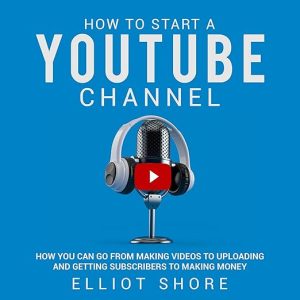
Elliot Shore's audiobook How to Start a YouTube Channel arrives at a moment when the question of whether to post videos online has become almost inescapable. Whether you are a cooking enthusiast who wants to teach others, a craftsperson looking to showcase your work, or simply someone who has spent years watching creators and wondering what stands between them and you, this guide attempts to lay out every step between curiosity and a functioning channel. At 3 hours and 17 minutes, it covers a surprising range of territory: branding decisions, thumbnail strategy, video editing fundamentals, subscriber growth, and monetization basics all make appearances in a compact listen.
First-Video Perfectionism Divides Listener Reactions
Shore structures the audiobook as a sequence of actionable chapters, each dedicated to a distinct phase of the channel-building process. The early sections on channel design and video planning are among the strongest, walking through logo considerations, color schemes, and the logic behind consistent visual identity. One listener described the content as "spot on" for beginners trying to understand how to teach on camera, which reflects Shore's strength in breaking down the invisible decisions most successful creators made years ago and simply no longer think about consciously. The approach is comprehensive enough that someone genuinely starting from zero will find most of their baseline questions addressed without needing to supplement with hours of free tutorial videos.
Where the audiobook earns mixed responses is in its emotional framing around first videos and audience retention. A critical review flagged that Shore "stresses the importance of planning every step of a video, getting your first video right or viewers will never come back," a framing that several listeners found more paralyzing than helpful. This is a real tension in beginner content creation guides: the advice is technically accurate in a competitive environment, but presenting perfectionism as the threshold for entry can discourage the exact audience the book is trying to serve. Shore is not wrong that weak first impressions have consequences, but the nuance of "done is better than perfect" is noticeably absent here, and its absence is felt.
Busenius Reads Clean Enough for Multitasking
The audio format suits this material reasonably well. YouTube strategy is a topic people tend to consume while multitasking, and the audiobook's chapter structure means you can absorb a section on monetization during a walk and then sit down at a desk to act on it. Ivan Busenius reads with clean diction and a steady pace that keeps information accessible without feeling rushed. This is not a performance that transforms the material, but it is a competent delivery that never gets in the way of the content.
The sections on YouTube SEO and audience discovery deserve particular credit. Shore covers keyword research, the role of video thumbnails in click-through rates, and how the algorithm rewards watch time in a way that is both simplified and largely accurate. For a listener who does not spend their days reading marketing blogs, these chapters do meaningful work in translating what can feel like arcane platform logic into concrete decisions. The advice on using ads to expand reach is practical, if brief, and points toward strategies that go beyond simply uploading and hoping for organic discovery.
Broad Enough for Gaming, Finance, or Cooking
Two limitations are worth naming before you commit. First, content creation advice ages quickly. YouTube has changed its monetization requirements, its algorithm weighting, and its creator tools multiple times in recent years, and some of the specifics in this audiobook may already reflect conditions that no longer apply. Shore's foundational advice on branding and consistency holds up regardless, but any figures or thresholds mentioned should be independently verified before you act on them as current guidelines.
Second, this is a general guide rather than a niche-specific one. The advice applies equally whether you want to make gaming content, personal finance videos, or cooking tutorials, which means no single listener gets the depth they might want for their particular category. One reviewer noted they were primarily interested in making infused oils and found that some of the book's content did not map precisely to their specific needs. That is not a flaw exactly, but it is an accurate expectation-setter: this is a broad map, not a specialist handbook for any particular content category.
Made for the Genuinely Starting-From-Zero Listener
This audiobook is well suited to absolute beginners who want a structured orientation before diving into platform-specific tutorials. If you have never posted a video, have no existing audience, and are trying to understand what the landscape even looks like, Shore's guide covers enough ground to give you a working vocabulary and a starting checklist. It also works for hobbyists who have posted sporadically and want to understand why their channel has not grown: the sections on consistency, branding, and audience psychology address the gaps that casual uploaders typically ignore.
If you already have a channel with a few hundred subscribers and are looking for advanced growth tactics or platform-specific algorithm strategies, this is not your next step. Experienced creators will find the foundational material redundant. The critical review's frustration with the perfectionism framing is also worth taking seriously if you are the kind of learner who needs encouragement more than pressure: Shore is a demanding coach, and not every beginner responds well to that register. But for the genuinely starting-from-zero listener, this audiobook gives you a solid first orientation to the decisions ahead.