Quick Take
- Narration: John Tyndall reads the material without editorializing, delivering a straightforward instructional performance suited to the no-frills content.
- Themes: Indoor cannabis cultivation, life cycle management, seed sourcing and strain selection
- Mood: Practical and matter-of-fact, written like a growing manual rather than a lifestyle book
- Verdict: A brief, basic introduction to indoor cannabis cultivation that is useful for curious first-timers but offers little for anyone with existing growing experience.
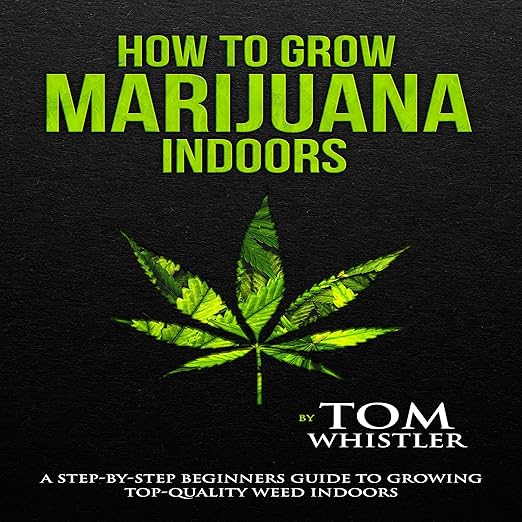
I came to this one with a practical question in mind rather than any particular enthusiasm for the topic. As someone who has reviewed a lot of gardening and horticultural guides over the years, I was curious whether Tom Whistler’s audiobook would treat cannabis cultivation with the same systematic rigor that the better food gardening guides apply to their subjects. The short answer is: partially. At an hour and twenty-seven minutes, the format does not allow for depth, and Whistler knows it. The book makes no pretense of being comprehensive. It is a quick orientation for the genuinely new, and on those terms it functions.
The legal landscape around cannabis has shifted significantly since this book was published in November 2017. One reviewer specifically noted that they could not yet grow legally when they listened but anticipated being ready to implement the advice once legalization arrived. That comment captures something important: this is a book for people in the earlier stages of curiosity or legal preparation, not for those ready to build a serious cultivation setup.
Our Take on How to Grow Marijuana Indoors
Whistler structures the book around the cannabis plant’s life cycle, walking listeners through seed selection and sourcing, germination, vegetative growth, flowering, and harvest. He addresses the most common beginner anxieties: where to get seeds without being scammed, how to anticipate threats to the crop, what distinguishes a good batch from a great one. This framework is sensible and hits the questions a new grower would actually have.
The strain and variety information is handled at a basic level. Whistler covers the difference between indica, sativa, and hybrid varieties without going deep into specific genetics or terpene profiles, which reflects the book’s audience level. One reviewer who works in pain management and was exploring cannabis as a potential treatment option found the book genuinely informative as a starting point, which is probably the profile it serves best: people coming to the subject with curiosity but no background knowledge.
Why Listen to How to Grow Marijuana Indoors
John Tyndall reads the material in a clean, neutral register that suits the instructional tone. He does not try to make the content more dramatic than it is, which is the right call for a guide that is explicitly utilitarian. The absence of padding is one of the book’s genuine virtues. Whistler makes his points and moves on without the repetitive summarizing that inflates many short nonfiction books to their listed runtimes. An hour and twenty-seven minutes is accurately representative of the actual informational content here.
One reviewer highlighted the seed-to-harvest structure and the practical tips as the book’s strongest element, noting it is straight to the point with no filler. Another mentioned wishing for visual support, specifically photographs, which is a reasonable critique of any horticultural guide attempting to explain plant health indicators through audio alone. The limitations of the format are unavoidable here.
What to Watch For in How to Grow Marijuana Indoors
The most pointed review described the book as a kids book, which is clearly an overstatement but reflects genuine frustration with the entry-level depth. Anyone with six months of grow experience will find nothing new here. The book does not cover advanced topics like hydroponic systems, CO2 supplementation, advanced lighting cycles, or pest management beyond a brief overview. It is explicitly introductory and should be treated as such.
The legal framework around home cultivation is not addressed, which is an understandable choice given how variable state and national laws are and how quickly they were changing at the time of publication. Listeners need to do their own jurisdictional research before implementing anything in this guide. The book is not a legal resource; it is a horticultural one.
Who Should Listen to How to Grow Marijuana Indoors
Absolute beginners to cannabis cultivation who want a quick, non-intimidating overview of the basics before committing to more technical resources will get value from this. It is also reasonable as a starting point for people approaching the topic from a medical or therapeutic angle who want to understand the plant before deciding whether home cultivation is worth pursuing. Experienced growers or anyone who has already done significant research will find the depth insufficient. At under ninety minutes, the time investment is low enough that it is a defensible starting point even if you quickly outgrow it.
Frequently Asked Questions
Is this book still relevant given that it was published in 2017 and cannabis laws have changed significantly since then?
The horticultural information, covering the plant life cycle, germination, vegetative growth, and harvest, remains accurate and relevant. The legal landscape is not addressed in the book, which means listeners need to independently verify the legality of home cultivation in their jurisdiction. Treat the cultivation content as sound and the legal context as something to research separately.
Does the audiobook format work for a gardening guide that would normally benefit from photographs and visual aids?
Imperfectly. Multiple reviewers noted the absence of visual support as a limitation. The book is straightforward enough in its verbal descriptions that most concepts are followable, but plant health indicators, growth stage identification, and harvest timing are inherently visual topics. Supplementing with online resources or a visual guide alongside this audio is a practical workaround.
How does this compare to more detailed indoor growing guides available as audiobooks?
This is entry-level by design. It covers the basics of the full cultivation cycle in under ninety minutes. More detailed guides will cover hydroponics, advanced lighting systems, nutrient management, and pest control at considerably greater depth. Think of this as the first chapter of a longer education rather than a complete resource.
Is the seed sourcing advice still usable given changes in the legal market since 2017?
The general principles Whistler offers around evaluating seed sources and avoiding scams remain applicable. However, the legal seed market has expanded dramatically in many jurisdictions since 2017, which means more legitimate options exist than the book assumes. Treat the sourcing framework as a starting point and verify current legal sources in your region independently.