Quick Take
- Narration: Teressa Mahoney delivers with warmth and calm authority that suits the guiding, non-prescriptive tone of the material.
- Themes: Hormonal self-advocacy, plant-based wellness, sustainable lifestyle ritual
- Mood: Encouraging and grounded, like being coached by someone who has been where you are
- Verdict: A practical, accessible introduction to herbal hormone support for women ready to move beyond dismissive medical advice, with realistic expectations about timelines.
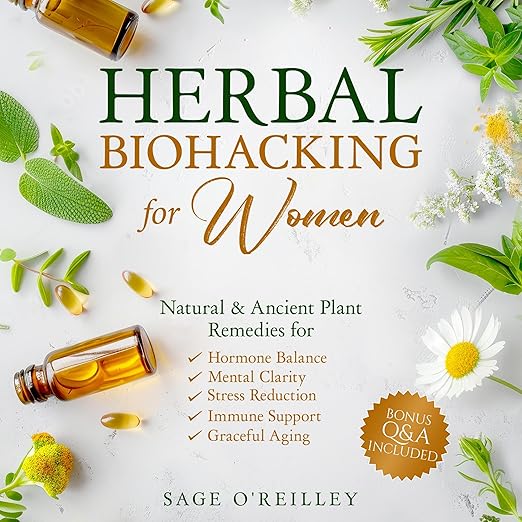
I have sat across from more than a few friends who have spent years being told their fatigue, brain fog, and mood swings are just stress or just their age, and watched the specific kind of exhaustion that comes with that accumulate in their faces. It is not just physical. It is the exhaustion of not being believed. Herbal Biohacking for Women by Sage O’Reilley opens by naming that experience directly, and that choice alone earns it a different kind of attention than most wellness audiobooks.
I listened over the course of a few evenings while doing low-key tasks around my apartment, which felt appropriate. The material is not demanding in the intellectual sense; it is informative and encouraging, written for women who want to understand what is happening in their bodies and try something other than waiting for a prescription that may never come.
Our Take on Herbal Biohacking for Women
O’Reilley positions herbal biohacking as the intersection of traditional plant medicine and evidence-informed wellness strategy. The book covers a wide range of concerns: cortisol regulation, adrenal fatigue, thyroid support, estrogen balance, insulin sensitivity, sleep quality, and mental clarity. Each of these is addressed through specific herbal allies and practical daily rituals, explained in language that is accessible without being condescending.
The framing of "biohacking" is somewhat loose here, honest reviewers would say it is more herbal wellness than quantified self-optimization, but that looseness serves the material. The book is not asking you to track biomarkers or follow rigid protocols. It is asking you to pay attention, to try a few things consistently, and to give your body time to respond. Reviewers who followed through on the herbal tea suggestions reported improvements in sleep and energy within weeks, which aligns with the realistic, no-quick-fixes messaging throughout.
Why Listen to Herbal Biohacking for Women
Teressa Mahoney’s narration is one of the audiobook’s genuine strengths. Her voice carries warmth and calm authority, and she handles the more technical passages around cortisol and thyroid function without losing the conversational register that makes the book approachable. This is the kind of wellness content that could easily tip into a lecture or, worse, a sales pitch. Mahoney keeps it from doing either.
At just over five hours, the runtime is sensible for the scope of the material. You can listen in a single long session or spread it across several evenings, and the chapter structure is clear enough that revisiting specific sections, on digestive support or sleep protocols, is easy without needing to scrub through the entire recording.
What to Watch For in Herbal Biohacking for Women
The book works best as an orientation and a permission slip rather than a clinical protocol. O’Reilley covers a wide range of herbs and their applications, but she is wisely clear that individual responses vary, and she does not promise outcomes. Readers expecting hard timelines or guaranteed results will need to calibrate their expectations. The reviewer who noted improvements only after consistent daily practice over weeks is describing the actual experience of herbal wellness rather than the headline version.
The book does not replace individualized medical advice, and O’Reilley is careful enough not to suggest it does. For women navigating perimenopause or menopause, it is most valuable as supplementary context alongside conversations with a practitioner who takes their symptoms seriously. For women who are simply feeling off and want a starting point, it offers genuine, actionable ideas.
Who Should Listen to Herbal Biohacking for Women
Women who have been dismissed by conventional medicine and are looking for a structured way to explore plant-based support will find this a useful and encouraging starting point. It is appropriate for listeners with no prior herbal knowledge; the explanations assume nothing and build logically. Those who are already deeply versed in herbalism or functional medicine may find the material introductory, but even experienced readers note the cortisol-focused chapters offer practical applications worth revisiting. Anyone seeking a quick pharmaceutical alternative will be disappointed: this is a lifestyle guide, and it asks for patience.
Frequently Asked Questions
Is Herbal Biohacking for Women appropriate for someone with no prior knowledge of herbal medicine?
Yes. O’Reilley explains every herb and concept from the ground up, assumes no prior knowledge, and avoids jargon. Multiple reviewers with no herbal background found it accessible and immediately actionable.
Does the book address perimenopause and menopause specifically, or is it more general?
Both. There are specific sections on hormonal transitions including perimenopause and menopause, alongside general hormone support strategies. The book positions itself as useful across a range of life stages rather than being narrowly targeted.
How quickly can listeners expect to notice results from the protocols described?
Reviewers report noticing improvements in sleep and energy after a few weeks of consistent practice. O’Reilley is honest that there are no quick fixes here, and results vary by individual and the specific imbalances being addressed.
Does Teressa Mahoney’s narration suit the wellness genre?
Very well. Her tone is warm and grounded, which matches O’Reilley’s writing style. The narration avoids the overly soothing affect that can make wellness audiobooks feel patronizing, while still being calming enough for evening listening.