Quick Take
- Narration: Margaret Wakeley keeps a warm, unhurried pace that suits the practical instructional tone without making the content feel clinical.
- Themes: herbal self-sufficiency, beginner gardening confidence, reconnection with plant-based knowledge
- Mood: Encouraging and practical, like being guided by someone who genuinely wants you to succeed
- Verdict: A solid introductory resource that delivers exactly what it promises for beginner herb gardeners, without pretending to be more than that.
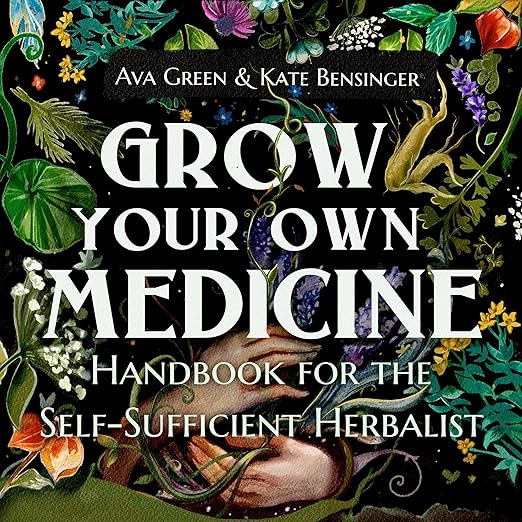
I’ve been growing a small kitchen herb garden for years, mostly the culinary standards, basil, thyme, rosemary, the things that survive my neglect better than most. When I finally started looking more seriously at medicinal herbs, the sheer volume of available material was overwhelming, and most of it assumed either complete novice status or serious prior herbalism knowledge. Grow Your Own Medicine, by Ava Green, operates at the beginner end of that spectrum with enough confidence in its material to be useful rather than merely reassuring.
The book covers over 50 herbs and their medicinal, culinary, aromatherapy, tea, and other uses, alongside practical instruction on establishing and maintaining a medicinal herb garden. Green brings fifty years of experience as a home apothecary, and that experience shows in the specificity of the practical guidance. The top ten mistakes people make in herb gardens, the natural approaches to pest management, the basics of becoming your own herbal dispensary: these are organized for someone genuinely starting from nothing who wants a path that doesn’t assume prior knowledge at any point along the way.
What the Beginner Focus Actually Means in Practice
The limitation that some reviewers identify, and it is a real limitation rather than a design flaw, is that the book intentionally covers the most fundamental herbs available rather than reaching into rarer or more specialized medicinal plants. A reviewer who came with some existing herbal knowledge noted that it lacks a more in-depth look at using herbs and includes only the most basic herbs available. They still recommended it for a new herbalist, which is the accurate framing: this is an entry point, consciously calibrated for that function and not apologizing for it. If you already know the difference between lavender’s culinary and medicinal applications, or if you’re looking for guidance on less common adaptogens or complex preparations, you will want something more advanced alongside or instead.
For the genuinely beginning herbalist, the scope is appropriate and well-organized. Fifty herbs is a substantial working vocabulary for someone establishing a first medicinal garden. The organization around multiple uses per herb, medicinal, culinary, aromatherapy, and tea, is practical because it reflects how herbs actually function in home use rather than siloing them into a single application category that doesn’t capture their versatility. A reviewer who is actively growing their garden with ingredients from the book described it as helpful in practice, which is the most functionally useful endorsement a practical guide can receive.
The Anti-Pharmaceutical Framing and How to Read It
The synopsis uses language around distancing from Big Pharma and avoiding the negative side effects of conventional medicine. This framing is common in the beginner herbalism space and worth naming directly for listeners approaching the material. Grow Your Own Medicine is not a medical text, and the herbs it covers are presented as having science-backed medicinal uses, which many of them do, but the book is a gardening and home apothecary guide rather than a clinical reference. Readers looking for evidence-based dosing information or contraindication detail will need to supplement with pharmacologically rigorous sources. Green’s framing is advocacy for herbal self-sufficiency rather than prescription, which is the appropriate register for this kind of book as long as listeners understand that distinction clearly.
The accompanying PDF, available alongside the audio in Audible’s library, is noted as included with the title. For a book covering fifty herbs and their various applications, a visual reference is genuinely useful. Herb identification and growing conditions are the kind of information that benefits from being readable on a page rather than navigated by audio alone. Listeners who plan to use this as an active gardening reference rather than a passive listening experience will want to access the PDF alongside the audio from the start.
Margaret Wakeley and the Sound of Practical Instruction
Practical gardening instruction in audio form requires a specific kind of patience. The material is not dramatic. It doesn’t build toward revelations or carry narrative tension. What it requires is a narrator who makes the information feel approachable without making the listener feel talked down to, and Margaret Wakeley manages that register consistently across the runtime. The pace allows listeners to follow along without losing content, which matters for a book where the point is retention and future application rather than the listening experience itself.
At 5 hours and 21 minutes, this is a light commitment for a reference text. The 4.6 rating across 577 reviews reflects an audience that found what it was looking for, though the more substantive reviews acknowledge the beginner calibration and calibrate their praise accordingly. One reviewer noted that the layout is very fun and readable, a description that applies equally to the PDF and to the audio’s organizational clarity. Readers who approach this knowing what it is, an entry point rather than a comprehensive reference, will get considerably more from it than readers who come hoping for depth the book was never designed to provide.
One thing worth noting about the listening context for a practical reference like this: the audio format works best as an introduction rather than as a working reference guide you’re consulting mid-garden. Once you’ve listened through the book once to get the framework and the fifty herbs clear in your mind, the PDF becomes the more useful ongoing resource while you’re actually working with plants. Treating the audiobook as orientation and the PDF as reference is probably the most functional approach for someone using this as an active gardening tool rather than background listening.
Who Should Listen and Who Should Skip
Listen if you’re establishing a first medicinal herb garden and want a guided starting point with practical error-prevention advice, or if you want to understand the basics of home herbal use across the most accessible and widely available plants. Skip if you have existing herbalism knowledge and need deeper pharmacological or botanical detail, or if you want comprehensive coverage of less common medicinal plants beyond the foundational herbs that anchor the beginner gardening tradition.
Frequently Asked Questions
Is this book useful for someone who already has an established herb garden, or is it strictly for beginners?
A reviewer with prior herbal knowledge described it as well-suited for new herbalists but lacking depth for intermediate practitioners. If you already know your way around a medicinal herb garden, you will want something more advanced.
Does the book provide specific medicinal dosing information or is it more general?
The focus is on growing, harvesting, and general use rather than precise clinical dosing. For specific medicinal applications requiring dosage guidance, you’ll want to consult pharmacologically rigorous herbalism references in addition to this book.
Is the companion PDF essential for following the audiobook?
It’s genuinely useful for a visual reference to herb identification and growing conditions. Audible includes it in your library alongside the audio, and active gardeners will want to use both resources together.
Does the book cover herbs beyond the standard kitchen garden basics like basil and rosemary?
Yes, the fifty herbs covered span culinary, medicinal, and aromatherapy uses beyond the standard kitchen garden set. The selection emphasizes accessible and widely available herbs rather than rare or specialized medicinal plants.