Quick Take
- Narration: Virtual Voice is flat and mechanical throughout, compounding the structural problems of content that relies on testimonial warmth and personal conviction.
- Themes: Alternative healing, castor oil as historical remedy, spiritual dimensions of physical health
- Mood: Earnest and uneven, hovering between folk wisdom and overclaim
- Verdict: The castor oil history is genuinely interesting, but the book’s structure frustrates listeners looking for practical guidance, and the Virtual Voice narration adds nothing to already thin content.
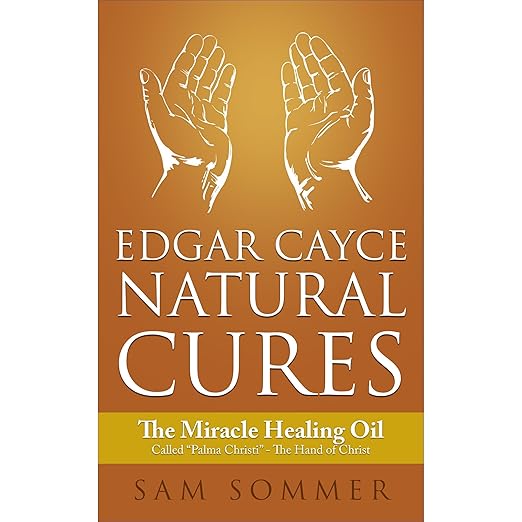
There is a genuinely interesting book buried somewhere in the history of castor oil and its relationship to Edgar Cayce’s readings. Cayce, the early twentieth century American mystic who gave over 14,000 medical readings during his lifetime, recommended castor oil packs in more than 1,000 of those sessions, and the documented uses across historical and spiritual traditions do contain real fascination. Cleopatra’s supposed use of the oil for cosmetic purposes, the Palma Christi designation that ties the plant to religious iconography, the decades-long folk medicine tradition in cultures across the world: these are legitimate threads of cultural history worth following.
What Sam Sommer’s book actually delivers is something considerably messier than that, and the Virtual Voice narration, robotic and tonally inert throughout the three and a half hours, does nothing to paper over the structural weaknesses.
The Gap Between Title and Content
The title promises natural cures, and the opening synopsis escalates this into claims about treating cancer, tumors, drug overdose, tinnitus, alcoholism, and over 300 ailments. The review that registers most honestly with this tension comes from a listener who writes that the book is either poorly organized or the title is misleading, and who concludes she will never reference it for any castor oil question she has. The subtitle suggests a clinical or instructional function, a guide to uses and applications, but what the book actually provides is substantially more narrative and testimonial than practical.
This isn’t necessarily fatal. A cultural history of castor oil as healing tradition could be genuinely valuable. But the book positions itself as a remedy guide and then delivers stories, which creates a specific kind of reader frustration. The one-star adjacent review from MsD reflects this honestly: she wanted clear instructions and got stories instead.
The Cayce Connection as Framing Device
Edgar Cayce’s endorsement of castor oil packs is real and historically documented. His readings, preserved by the Association for Research and Enlightenment, do contain extensive castor oil references, and there is a modest body of research on the oil’s anti-inflammatory properties that makes some of his recommendations less outlandish than they might initially appear. The book’s most useful passages engage with this historical and quasi-scientific framing: what did Cayce recommend the oil for, how did he integrate it into his broader conception of the body’s self-healing capacities, and what does contemporary evidence suggest about the mechanisms?
Those passages exist here and they’re worth finding. The problem is that they share space with testimonial claims that the prose can’t adequately support, and with the religious and spiritual framing around the Palma Christi designation that will resonate strongly with some listeners and alienate others entirely. Sommer weaves together folk medicine, Cayce’s spiritual framework, and Christian iconography in a way that can feel incoherent unless you share all three reference frames simultaneously.
Virtual Voice and the Problem of Conviction
Natural healing content of this kind depends heavily on conviction in the delivery. The people who find value in Cayce’s work and in castor oil as a therapeutic tool often do so because of personal experience and genuine belief, and communicating that requires a narrator who can carry some of that warmth. Virtual Voice synthetic narration strips all of this out. The result is content that already asks significant credibility leaps from the listener, delivered in a voice that registers zero investment in whether anyone believes it.
For purely informational audio, Virtual Voice can be workable. For content that depends on testimonial persuasion or personal authority, it is genuinely the worst possible match. This book needed either a human narrator with real warmth or an author who narrates their own material with the conviction of someone who has used castor oil packs and wants to tell you why they work. What it got was neither.
Who This Is For and Who Should Look Elsewhere
If you’re already in the Edgar Cayce orbit, already familiar with his readings and sympathetic to his methodology, this book will confirm and extend what you know. The historical depth around the oil’s traditional uses is real, and the Cayce connection is substantive rather than merely invoked for marketing purposes. For listeners approaching castor oil from a purely practical or evidence-based perspective and hoping for a guide to applications, concentrations, timing, and contraindications, this is not that book. And for anyone who needs warmth and conviction to engage with alternative medicine content, the Virtual Voice narration is a wall that won’t come down.
Frequently Asked Questions
Does this book actually provide instructions for using castor oil, or is it mostly history and stories?
Mostly history and testimonials, according to the reviews. One listener specifically noted wanting clear instructions for using the oil and finding stories instead. The practical guidance is present but not systematic or central.
How much of the content is specifically about Edgar Cayce versus general castor oil history?
Cayce is the organizing framework throughout. The book uses his 1,000-plus castor oil readings as a jumping-off point for broader history including the Palma Christi tradition and historical uses by figures like Cleopatra. Cayce is the lens, not just a reference.
Are the health claims in this book medically substantiated?
Not in any rigorous clinical sense. The book operates within the alternative medicine and spiritual healing tradition and makes claims well beyond what current scientific evidence supports. Listeners with medical concerns should consult healthcare providers, not this book.
Does the Virtual Voice narration significantly affect the listening experience?
Yes, substantially. Content that depends on testimonial warmth and personal conviction is particularly poorly served by synthetic narration. The delivery is flat and mechanical throughout the 3 hours and 38 minutes, which compounds the book’s structural unevenness.