- Narrator: Robyn Green brings a measured, ceremonial quality to Melissa Smith's text, grounded and deliberate, which suits the ritual and reflective sections particularly well without tipping into performance.
- Subjects: Lilith mythology across cultures, reclaiming suppressed feminine archetypes, embodied spiritual practice
- Tone: Introspective and quietly insistent, like a long conversation with something you have been avoiding
- Bottom line: Listeners drawn to mythology-rooted feminist spirituality and practical ritual work will find Smith's three-hour exploration substantive enough to return to, particularly for its lunar cycle and somatic practice sections.
Lilith's Contested History Before the Ritual Work
Lilith is one of the most contested figures in Western religious and mythological tradition, and Dark Feminine Energy by Melissa Smith, narrated by Robyn Green, begins where most books on this subject are afraid to go: not with comfort, not with promise, but with recognition. The audiobook opens against the actual history of the figure, Lilith's origins in ancient Mesopotamian and Judaic traditions, her transformation through Kabbalistic texts and European demonology, and her twentieth-century reemergence in feminist psychology and pop culture, before moving toward the practical rituals, meditations, and lunar-cycle work that form the second half of the listen. At just over three hours, this is a concentrated experience rather than an exhaustive study, and its concision is a strength rather than a limitation. Smith says exactly what needs to be said, and Green's narration gives each section the space it requires.
Smith's stated intent is not a manual of folkloric magic or a guide for worship but a call to remembrance, and that framing shapes everything about the audiobook's tone. The text does not promise that ritual alone will deliver empowerment. It promises tools for stripping away the expectations that have suppressed a particular quality of presence, one that Smith identifies with Lilith's mythological refusal to comply, negotiate, or diminish. Reviewer Guga describes it as a powerful and enlightening journey into ancient wisdom that blends history, symbolism, and ritual to inspire readers to embrace the transformative strength of the suppressed feminine, which is an accurate summary of the structural approach.
Robyn Green's Narration Carries the Ceremonial Weight
What distinguishes this audiobook from the broader category of feminine-spirituality content is its historical grounding. Smith traces Lilith not as a fixed symbol but as an evolving figure, shaped differently by Sumerian sources, by the Talmudic narrative of Adam's first wife who refused subordination, by medieval demonology that weaponized her sexuality, and by the feminist reclamation movements of the 1970s and onward. That historical arc is the most intellectually substantive portion of the audiobook, and Green's delivery in these sections is notably strong, she renders the scholarly material with enough gravity that it lands as argument rather than mythology.
The practical sections, rituals, spells, lunar phase work, meditations for reclaiming voice and space, are grounded in the book's broader framework rather than presented as standalone techniques. Smith connects the lunar cycle to the cyclical nature of the feminine in ways that listeners familiar with somatic or depth-psychology approaches will recognize, while keeping the language accessible enough for listeners coming to this material fresh. Reviewer Shaikh noted that the practical rituals felt both accessible and profound, and that the book reframes Lilith not as evil but as a powerful symbol of the sacred feminine, which is an accurate summary of Smith's central argument.
Robyn Green's narration carries the ceremonial weight the material requires. Her pacing in the ritual sections is deliberate without being ponderous, and she navigates the shift between historical analysis and first-person invocation without losing the thread. The three-hour runtime is dense with content rather than padded with repetition, this is not a slow or atmospheric listen but a substantive one that earns its brevity.
The practical exercises in the second half of the audiobook include work with lunar phases, offerings, and meditations specifically oriented toward reclaiming voice and space. Smith frames these not as generic wellness practices but as responses to the specific historical suppression of the feminine she has traced in the first half. That continuity between the historical and the practical is the book's most effective structural choice, the rituals arrive with context that gives them weight beyond instruction.
Myth-Rooted Practice Beyond the Wellness Label
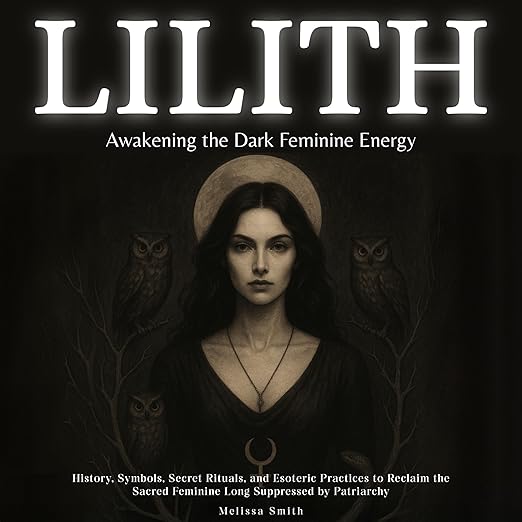
Listeners should come to this audiobook understanding its scope clearly. Smith covers Lilith's origins, mythology, and modern reemergence, then layers in practical exercises. What the book does not offer is a comprehensive comparative mythology study or a deep academic treatment of Kabbalah or Mesopotamian religious history. Those looking for scholarly apparatus will need to supplement. The subtitle, Lilith: Awakening the Dark Feminine Energy, positions this as a synthesis of history and practice, and it is honest about that dual purpose throughout.
The genre tag of health and wellness slightly misrepresents the book's actual character. This is closer to feminist spirituality and mythological psychology than to wellness content in the conventional sense. The practical exercises carry a spiritual register that some listeners will find inspiring and others may find outside their comfort zone. Approaching it as a work of myth-rooted spiritual practice rather than a self-help guide sets the right expectations. Smith's prose has a directness that Green preserves faithfully. The line "Lilith does not offer comfort. She offers recognition." sets the book's entire emotional register, and the audiobook delivers on it consistently through the full three hours.
Jungian Shadow Work Listeners Fit This Best
This audiobook is well-suited to listeners already engaged with feminist spirituality, mythology-based psychology, or Jungian shadow work who want a focused, practically oriented exploration of the Lilith archetype. It will also serve those new to these frameworks who are drawn specifically to the Mesopotamian and Judaic mythological tradition and want a clear, historically informed starting point. Reviewer BearMcGuyver, coming to the material from an entirely different angle, found the storytelling and the exploration of feminine energy genuinely interesting, which suggests the audiobook's appeal extends beyond those already inside the tradition. Listeners seeking a purely secular self-help experience or a scholarly academic treatment will find the balance tilts differently than they expect.
Common Questions
Does the Dark Feminine Energy audiobook include the ritual and meditation practices in listenable form?
Yes. Robyn Green narrates the practical rituals, meditations, and lunar-phase exercises in full. The three-hour runtime includes both the historical and mythological sections and the applied practice material, so the audiobook is complete in itself rather than requiring a companion text.
Is prior knowledge of Kabbalah or Mesopotamian mythology needed to follow this audiobook?
No. Smith introduces Lilith's origins and traces her through multiple traditions, Mesopotamian, Judaic, Kabbalistic, European demonology, and twentieth-century feminism, in a way that is accessible without prior knowledge. The historical sections are grounded and explanatory, not assumed.