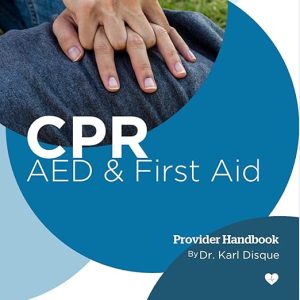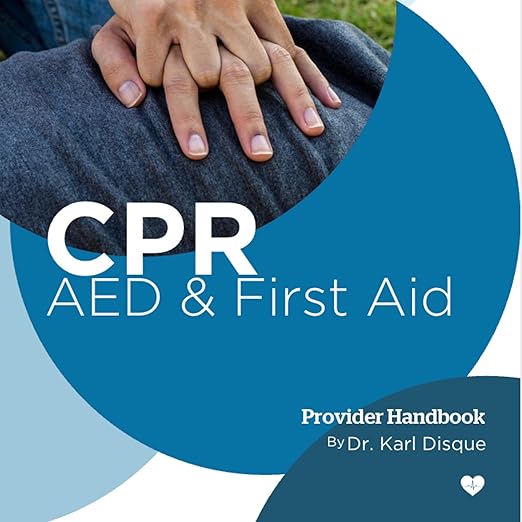
Dr. Karl Disque's CPR, AED and First Aid Provider Handbook arrives as an audiobook with a specific educational purpose: to serve as the primary training material for Advanced Medical Certification's CPR, AED, and First Aid certification courses. The narrator credited as Matilda is an AI-generated voice, and listeners should understand that from the start. The delivery is clear and consistently paced, which matters for procedural content, but the synthetic quality is apparent - the kind of emphasis that helps a human learner anchor a step in memory is missing in places where a skilled human narrator would intuitively provide it. At 1 hour and 31 minutes, this is one of the shorter audiobooks available in its category, which is both a feature and a limitation of the format for training purposes.
Disque is a board-certified anesthesiologist and registered pharmacist who has certified thousands of healthcare professionals in ACLS, PALS, and BLS protocols. That clinical background is evident in how the handbook is organized: the coverage moves from first aid basics - tooth injuries, bee stings, nosebleeds, insect bites - through escalating emergencies including heart attack, stroke, asthma, head injuries, and burns, with each topic broken down into decision trees and procedural steps that reflect how emergency response is actually taught in clinical settings. The structure is correct, and the content follows the 2020-2025 ILCOR guidelines, which represents the current standard. One reviewer notes a transcription error in the final assessment quiz - a question that references the correct answer as both option A and option B, a printing error that the publisher has not corrected across editions. For a certification study tool, that kind of quality control failure is worth flagging. A medical field professional reviewing the book describes it as a great reference for everyone to have on hand - well written, full of important information, and easy to mentally digest. That commendation from someone with clinical context is meaningful, and the AMC course context it serves suggests a reader who arrives already motivated to learn rather than encountering the material cold. The adult, child, and infant CPR distinctions are handled with appropriate specificity, and the AED operation sections cover the decision logic that most first responders find hardest to retain under real-time pressure. The handbook also functions as a resource for anyone who has completed certification training and wants a quick refresher on the protocols without returning to a full course.
Compression Depth Cannot Be Learned by Listening
The case for this audiobook is the case for audio as a study medium generally: it allows passive review during commutes, exercise, or other activities where print is impractical. Healthcare workers who already hold certification and need a periodic refresher on protocol specifics will find the concise structure efficient. The coverage of AED use is particularly clearly explained - the decision logic for when to apply, when to shock, and how to sequence chest compressions around the device is the kind of content that benefits from repetition, and audio listening supports that kind of spaced review. The limitation is fundamental: CPR competency is a psychomotor skill. The hand position, compression depth, and recoil required for effective chest compressions cannot be developed through listening. No serious certification body accepts audio study alone as preparation for skills testing. The handbook itself acknowledges that it is reference material for keeping skills sharp between practice sessions, and that framing is honest about what the format can and cannot accomplish. What it can do is ensure that the conceptual architecture of the decision-making process is clear before you arrive at a hands-on session. Listeners who work in schools, offices, or public spaces where a defibrillator is on the wall but rarely explained will find the AED section particularly useful for building confidence that the device will make sense in an actual emergency.
Ninety Minutes Meant for One Sitting
The decision-tree structure that Disque uses throughout the handbook is its most practically useful feature and also the most aurally dense. Each topic is broken into critical decisions to make and steps to take, which is the right architecture for emergency response learning but requires the listener to be actively engaged rather than passively absorbing. The audiobook works poorly as background listening; it rewards active, attentive engagement where the listener is rehearsing the sequence mentally as Matilda reads it. The ILCOR 2020-2025 guideline basis is current and reliable, which is a real differentiator from older first aid audiobooks that may still reference superseded compression ratios or airway management techniques. At 90 minutes, the entire audiobook can be listened to in a single session, and the case for doing so before a recertification course is strong. The brevity is itself a statement about the format's appropriate scope.
Supplemental Audio Review for Certification Candidates
Healthcare professionals and community responders who are enrolled in or recently completed an AMC certification course and want supplemental audio review. Anyone who wants a clear, structured introduction to current first aid protocols before taking a hands-on course. Parents, teachers, and community members who want to understand the framework of emergency response even if their primary training is through another provider. Skip this audiobook if you are looking for a standalone certification experience - hands-on practical training with real feedback is required for competency, and this audiobook is a study aid, not a substitute. Listeners who find AI-generated narration significantly distracting will also want to factor that into their decision before purchasing.