In Brief
- Narration: Virtual Voice narration provides serviceable delivery for recipe-based content, though the audio format is a secondary use case for a cookbook.
- Themes: Cannabis extraction fundamentals, edible preparation, THC and CBD differentiation
- Mood: Approachable and practical, aimed at curious beginners rather than experienced cultivators
- Verdict: A functional beginner-oriented introduction to cannabis cooking with enough foundational science to make the recipes meaningful, best paired with a visual reference.
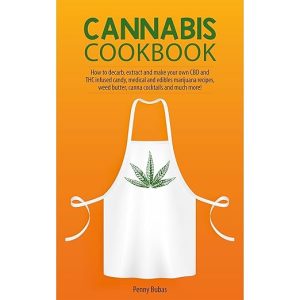
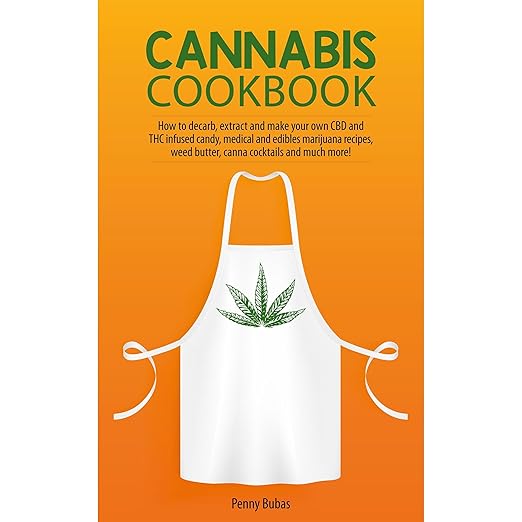
Penny Bubas's audiobook Cannabis Cookbook positions itself at the practical intersection of culinary curiosity and the ongoing legal normalization of cannabis across many US states. The full title, "Everything You Need to Know About THX Extraction with Delicious Recipes," signals both the book's ambition and its primary audience: people who are new to cooking with cannabis, interested in the foundational science behind extraction, and looking for recipes they can actually execute at home without prior experience in the subject. At 4 hours, it covers substantial ground for a cookbook in audio format, which is itself a format choice that requires some thought before purchasing.
THC and CBD Basics Anchor the Recipes
The book's strongest material appears early, in the foundational chapters distinguishing THC from CBD, explaining how each compound interacts with the body, and walking through the basic science of extraction. One reviewer specifically praised the first chapter on cannabis basics as the book's clearest contribution, noting that it provides the conceptual foundation that makes the recipes meaningful rather than arbitrary steps to follow blindly. Understanding why you are making cannabutter in a specific way, and what THC does to fat-soluble compounds during the infusion process, transforms a recipe from a set of instructions into a process you can adapt and troubleshoot when results are unexpected.
The recipe range is broader than many cannabis cookbooks attempt. Bubas covers cakes, cookies, smoothies, hash preparation from stems and leaves, CBD oil-based beverages, and carb-free options, which gives the book more utility across different dietary preferences and use cases than a narrower collection would. One reviewer specifically purchased the book for its low-dose bite recipes and described the results positively, noting that the approach to dosing was approachable for people without prior experience measuring cannabis potency in homemade preparations. That calibration toward beginners is consistent throughout the entire text.
Calculating Potency Before You Start Cooking
The dosing guidance deserves particular attention. Calculating THC concentration in homemade edibles is one of the most practically important skills for anyone cooking with cannabis, and the results of miscalculation range from unpleasant to genuinely alarming for an unprepared person. Bubas addresses dose calculation as part of the extraction chapter, giving readers a framework for estimating potency before they start cooking rather than treating dosing as an afterthought. This is more care than many introductory cannabis cookbooks take with the subject, and it represents a meaningful safety contribution alongside the culinary instruction.
Listeners who are specifically interested in CBD-forward recipes will find dedicated attention to selecting CBD oils for smoothies and shakes, which expands the book's relevance to people interested in the non-psychoactive applications of cannabis. The growing market for CBD in culinary and wellness contexts makes this section more practically useful than it would have been even a few years ago, and Bubas covers it with the same approachable tone as the THC extraction material. The overall effect is a guide that treats both compounds as having legitimate culinary applications rather than positioning one as superior to the other.
Virtual Voice Struggles With Recipe Pacing
The audio format is a real limitation for a cookbook, and it is worth naming directly. Recipes are difficult to follow aurally: ingredient lists, measurements, and multi-step instructions require attention and memory in ways that prose chapters do not. Virtual Voice narration, which handles this audiobook, delivers the material clearly but without the kind of pacing variation a human narrator might use to signal the difference between an explanatory paragraph and a list of quantities. If you intend to cook from this book, you will almost certainly want a print or digital reference alongside the audio to consult while actually standing in the kitchen.
A critical review also flagged editorial quality issues, noting that some sections appeared unpolished and that the editing was inconsistent. This is worth knowing as an expectation-setter rather than a dealbreaker, particularly for the sections outside the core extraction and recipe content. The book's strongest material in the foundational science and dosing chapters holds up regardless of the surrounding polish, but listeners who are sensitive to production inconsistency should be prepared for uneven quality across the full runtime. One reviewer also noted the book felt focused on information but less on recipe diversity, which may matter depending on your primary motivation for purchasing.
This Guide Suits Complete Cannabis-Cooking Beginners
This audiobook suits beginners who want both the conceptual foundation and a range of recipes in a single resource. If you understand the basic premise of cannabis cooking but have never actually done it, the combination of extraction science and practical recipes gives you a more complete starting point than either element alone would provide. The deliberate orientation toward low-dose, beginner-friendly preparation is also a real differentiator from cookbooks that assume more experience with potency or that target experienced users wanting stronger preparations.
Experienced cannabis cooks or people specifically interested in advanced cultivation, processing, or commercial-scale extraction will find the content too foundational for their purposes. This is not a specialist resource; it is a first-timer's guide written by someone who wanted to make the subject accessible without requiring prior culinary or botanical expertise. Similarly, the audio-only format is a genuine constraint if your primary goal is to cook directly from the recipes rather than absorb the educational framework. For anyone in that situation, supplementing with a visual reference will make the audiobook considerably more useful as a practical kitchen companion.
Frequently Asked Questions
Does this audiobook cover THC dosing and how to calculate potency in homemade edibles?
Yes, dosing calculation is addressed as part of the extraction process, which is one of the book's more practically important contributions. Bubas provides a framework for estimating THC concentration in infusions before cooking, which matters considerably for safe and consistent results. The approach is calibrated toward beginners without prior experience in potency calculation.
Is this audiobook suitable for someone who wants to focus on CBD recipes rather than THC-heavy edibles?
The book covers both. There is dedicated material on choosing CBD oils for smoothies and shakes, and the foundational chapters distinguish the two compounds explicitly. The CBD sections are less comprehensive than the THC extraction content, but listeners primarily interested in non-psychoactive applications will find relevant guidance.
How practical is a cannabis cookbook in audiobook format, and should I expect to be able to cook directly from the audio?
Recipes are genuinely difficult to follow aurally, and this audiobook is better used to absorb the foundational concepts and approach than as a hands-on cooking companion. For active kitchen use, a print or digital reference alongside the audio is strongly advisable. The educational framework translates well to audio; the actual recipe steps do not.
Does the audiobook address legal considerations around cannabis cooking, or does it assume legality in the listener's jurisdiction?
The synopsis notes that many states have legalized cannabis and frames the content accordingly, but it does not appear to provide jurisdiction-specific legal guidance. Listeners in states where cannabis remains restricted should verify local laws independently before applying any of the book's content.