Quick Take
- Read by: Narrated by Virtual Voice (AI narrator). The delivery is functional but flat, lacking the warmth and enthusiasm that a human voice would bring to craft instruction; suitable for reference listening but not immersive.
- At its heart: Craft entrepreneurship, wax chemistry, DIY home business
- Vibe: Practical and encyclopedic, structured as a reference guide more than a narrative
- Short version: A solid beginner-to-intermediate candle making reference covering genuine technical ground, though the AI narration and reference-guide structure limit its appeal as a listening experience.
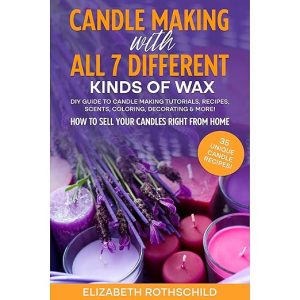
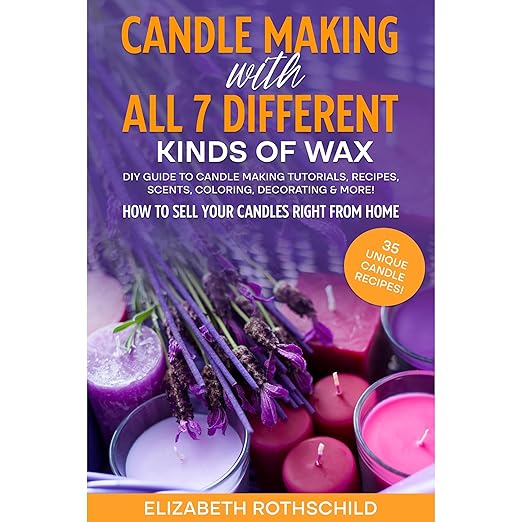
I have to be upfront about something before getting into the content itself: Candle Making with All 7 Different Kinds of Wax is narrated by Virtual Voice, which means it uses an AI-generated narrator rather than a human voice actor. That matters for a craft book, because the texture of instruction, the small moments of enthusiasm about a technique or material, is something that human narrators bring naturally and AI systems still flatten into neutrality. You can get the information through this audiobook, but you will feel the absence of personality in the delivery.
With that caveat on the table: Elizabeth Rothschild has written a genuinely useful book for anyone wanting a comprehensive introduction to the full wax spectrum. Most candle making guides, as the synopsis accurately notes, focus on soy and beeswax and leave the other five categories to hobbyist forums and trial and error. Rothschild covers paraffin, gel, coconut, palm, and rapeseed wax alongside the more familiar options, and she gives each material its own chapter with honest notes on burn properties, fragrance throw, sustainability considerations, and aesthetic results.
Beyond Soy and Beeswax, Into Gel and Palm
The breadth is the book's primary strength. One reviewer notes that they had no idea the world of candle making was so diverse until working through this material, and that sense of revelation is genuine. Gel wax, for instance, opens up a category of transparent and embedded candle designs that most beginners have never considered. Palm wax produces a crystallized finish that is visually distinctive and requires specific handling to achieve. These are not options you encounter in a generic craft book, and Rothschild devotes enough space to each that you understand not just how to use them but why you would choose one over another for a given project.
The structure moves logically from wax selection through equipment, chemistry, fragrance blending, colorants, decoration techniques, troubleshooting, and finally into the business side of selling candles. That last section on commercializing your craft is a differentiator for this title: most pure craft books ignore it entirely, and Rothschild's inclusion of basics around pricing, labeling, craft fair preparation, and building a candle brand from home gives the book a more practical orientation than the competition.
Wick Sizing Chemistry That Rewards Intermediate Makers
Reviewers consistently describe this as an excellent starting point for beginners, which is accurate with one adjustment: it is also genuinely useful for intermediate makers who have been working with one or two wax types and want to expand their range. The chemistry sections, covering wick sizing, fragrance load ratios, and scent throw mechanics, go slightly deeper than the beginner framing would suggest, and the troubleshooting chapter on common problems like sinkholes, tunneling, and uneven burns is practical rather than theoretical.
The bonus metric measurement guide included in the back of the book is a small but appreciated addition for listeners who work in both US and metric units, which is increasingly common as craft communities have become international.
Competent AI Narration Without Any Real Enthusiasm
The AI narration is the most significant limitation. The Virtual Voice delivery handles the technical vocabulary competently but cannot convey the textures of enthusiasm that distinguish a truly engaging craft guide. One reviewer who gave it four stars notes honestly that it covers basic information without much in-depth detail and that you will find yourself supplementing with online searches. That is a fair characterization: the book provides a solid foundation and a useful framework, but the depth on any individual topic is introductory rather than expert.
The synopsis is also written with heavy marketing language, including bullet points and emoji that do not translate especially well to audio. The actual book content is more measured than the sales copy suggests, but the gap between the marketing framing and the text itself is worth flagging.
Try This if a Flat AI Voice Is Fine
Listen if you are new to candle making and want a structured survey of all the major wax options before committing to one, or if you are an intermediate crafter curious about wax types outside your current practice. The AI narration is a genuine trade-off. If hearing a human voice matters to you in craft instruction, the print or Kindle edition may serve you better. But if you primarily want to absorb reference material and do not mind the flat delivery, the audio covers the ground.
Questions Listeners Ask
Is the Virtual Voice narration difficult to listen to for the full five-plus hours?
It is functional rather than pleasant. The AI narrator reads clearly and handles technical terms without stumbling, but there is no warmth or enthusiasm in the delivery. Listeners who find AI narration fatiguing may want to listen in shorter sessions or consider the print edition instead.
Does the book cover beeswax candles and their specific handling requirements?
Yes, beeswax gets its own section alongside the other six wax types. Rothschild covers its slower burn rate, higher melting point, and the specific wick sizing considerations that differ from soy or paraffin. It is introductory rather than exhaustive, but the key practical differences are explained.
Is the business section on selling candles practical or just general encouragement?
Reasonably practical for a beginner. It covers pricing basics, labeling requirements, craft fair considerations, and the idea of building a candle brand from home. It is not a full small business guide, but it goes further than most craft books, which ignore the commercial side entirely.
Does the book cover candle safety in any depth?
The troubleshooting and chemistry sections address burn safety issues like tunneling, sinkholes, and fragrance load limits, and there are notes on safe colorant usage. It is not a dedicated safety manual, but the practical cautions are woven into the relevant sections throughout.