Before You Press Play
- Voice: Rachel Anslover carries a captivity story told entirely from inside the captive, which asks one voice to keep a small crew of criminals apart while never stepping outside Naomi's compromised judgment.
- Big ideas: attachment under duress, parental neglect, control taken back by dangerous means
- Atmosphere: Claustrophobic and morally uneasy
- Worth it?: A provocative seven hours for listeners who like discomfort, and the wrong purchase for anyone needing a rescue or a clean resolution.
Naomi Jensen has been missing for two days before her parents notice, and that detail carries more weight in this book than the abduction does. Rachel Anslover reads the seven hours and twelve minutes of audiobook that follow. The premise is genuinely uncomfortable: a girl taken by criminals discovers that the house she is held in feels more like a family than the one she was taken from, so getting out stops being the goal. She decides instead to make one of her captors believe she is falling for him, which she means as a way of taking back some control, and the plan works better than she intended.
The Review
Reba's five-star from the United Kingdom states the whole thesis in a single clause: Naomi feels safe in a house full of strangers she comes to care about, safer than she ever felt at home. That is the engine and the provocation at once. An abusive boyfriend and parents who needed two days to register an absence are not background decoration, they are the comparison the novel keeps asking you to make, and once you make it the captivity stops reading like a thriller and starts reading like an indictment of the household Naomi was taken from.
Stockholm syndrome is the label the premise invites, and the label does the story no favors at all. What actually gets written here is attachment under duress, which is slower, sadder and far less sensational, and the book is honest enough to leave Naomi's feelings unresolved rather than diagnosing them for her. Listeners with any patience for moral discomfort will find the middle stretch genuinely tense, not because of what the kidnappers might do, but because of what Naomi is quietly deciding she wants.
What Makes Breakaway Worth Hearing
One of the earliest entries, a five-star filed in May 2012, is worth reading for its resistance. That reader was surprised Naomi did not fight her captors harder, and then turned out to be angrier at Naomi's mother than at any of the criminals, on the grounds that a parent whose child disappears does absolutely anything to get her back. The same entry supplies a detail the publisher's copy withholds, which is that Naomi is seventeen. Both of those reactions are the novel working precisely as intended.
Jesse is the pivot the premise turns on, and a great deal rides on that one relationship. A captor who treats a captive decently is not a redemption arc, and the book is stronger when it lets the situation stay uncomfortable than when it drifts toward romance. Whether the second half earns the shift is the thing this reception column disagrees about most sharply, and going in aware that the disagreement exists is better preparation than any summary can offer.
Seven hours and twelve minutes is a well-judged length for this material. Confinement narratives get exhausting when they run long, because the setting cannot change and the cast cannot grow, and a novel spending twice this long inside one house would test anybody's goodwill. Anslover has a single interior voice to sustain and a small crew to keep distinct, which is a contained job rather than an epic one, and the compression keeps the claustrophobia productive instead of numbing.
The Caveats
Byline trouble sits in the middle of this record and it is not a minor thing. The author field reads Michelle Diener. A five-star from January 2013 credits the writing to somebody named Argyle, in a passage describing exactly the story the copy describes, the same Naomi, the same captors. One of those names belongs to this book and the page never says which. Set that beside the tag on this record, which reads Science Fiction, against a description with no science fiction anywhere in it, and the metadata starts to look assembled rather than checked.
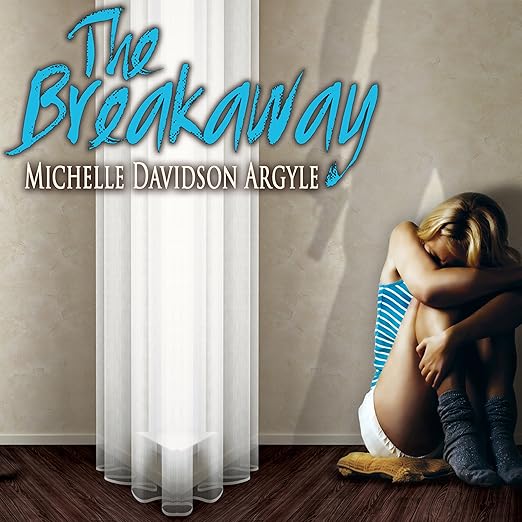
Reception here belongs to another edition and barely disguises the fact. Two of the five entries are cross-posted from personal book blogs, section headings and all, and the January four-star opens with a paragraph about the cover art: how long it took to notice that the shadow on the wall was holding a gun, and how the picture was what prompted a purchase during a sale. Cover design is not a thing a recording has. What that column grades is an object bought, held and looked at.
Some practical notes before you buy. The badge here reads 4.0 across a hundred and seventy-three ratings, which is low, and the visible spread runs from five stars down to two, so the disagreement is real rather than a rounding artifact. The record also carries no content advisory whatsoever, and it needs one: the story turns on the abduction of a minor, keeps an abusive relationship in the background, and follows a captive developing feelings for a captor. None of it is handled luridly, but a listener deserves to choose that deliberately.
Should You Listen to Breakaway?
Romance listeners should tread carefully, because the genre field says romance and the two-star from the first of January 2013 explains exactly why the label misleads. That reader loved the premise, never felt the emotions the book was describing, found the connection between Naomi and Jesse unconvincing, and was left with what the entry calls total unfinished business at the close. Note what the same reader reports about continuation: at the time, on the author's own social page, only a possible short story was under consideration. This record files the book as volume one of a series called The Breakaway.
Content warnings aside, the audience is fairly specific: people who listen for psychological pressure rather than for plot, who can sit with a protagonist making choices they would never make, and who do not require a resolution stamped at the end. Anybody wanting an abduction thriller with a rescue, or a romance with its contract honored, will be frustrated inside the first hour. For everyone else this is a short, airless, morally awkward listen that readers have been arguing about since 2012.
Before You Listen
Does the Breakaway audiobook resolve Naomi's situation by the end?
Not in the way most listeners expect. The final stretch closes the immediate events without settling what Naomi feels or what happens to her afterward, and buyers have complained about that since the book first appeared. Treat it as a psychological study with an open door at the end rather than a plot with a bow on it.
Is the audiobook young adult or adult listening?
The protagonist is a teenager and the prose reads young, but the subject matter is adult in weight: abduction, coercion, an abusive partner, and a bond forming where none should. Older teenagers can handle it with context. Younger listeners probably should not meet this material without somebody to talk to about it afterward.