The Short Version
- Read by: Brendan King reads with a direct, personal energy that fits the first-person memoir register, though the short runtime limits how much range the performance can demonstrate.
- At its heart: Fatherhood and physical transformation, resilience through routine, mindset alongside fitness
- Vibe: Motivating and personal, with a candid confessional streak
- Short version: At 40 minutes this is more of a concentrated personal statement than a full fitness methodology, but it delivers genuine motivational clarity for busy fathers who want something direct and unpadded.
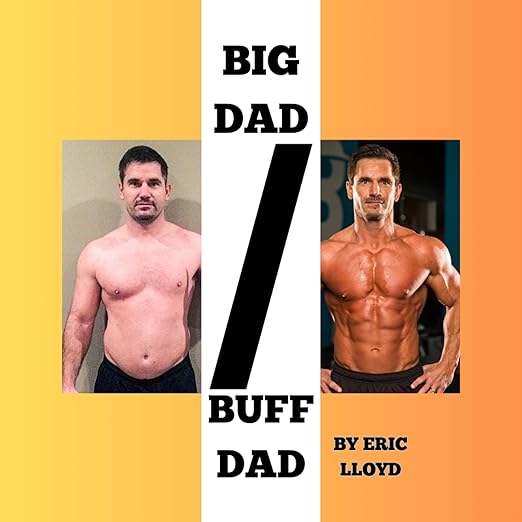
Eric Lloyd's Big Dad / Buff Dad is an audiobook built around a premise the title states plainly: a father, starting from a place of physical neglect amid the chaos of parenthood, decides to rebuild his body and discovers that the process reshapes more than his physique. Brendan King narrates across 40 minutes, which means this is a concentrated document rather than a sprawling fitness guide. That compression is worth naming upfront. If you come to this recording expecting a full methodology with nutrition chapters, training progressions, and habit-stacking frameworks, you will finish it before you expected and want more structure. If you come to it as a personal reckoning about what it means to prioritize physical health inside the specific chaos of fatherhood, the 40 minutes lands with more impact than the runtime suggests.
Honest About the Starting Point, and the Doubt
Lloyd frames the transformation narrative in genuinely honest terms. The title itself does the work of admitting the starting point without embarrassment, which sets a tone that carries through the recording. The confrontation with doubt, plateaus, and unexpected setbacks is not treated as a highlight reel of overcoming. It is presented as the actual texture of a transformation process, the stretches where progress stalls and the internal negotiation required to continue. The focus on mindset alongside nutrition and exercise is not a vague reference to positive thinking. King's delivery of these sections gives them a specific texture, the internal arguments a father makes to himself about time, priority, and self-worth. The narrative arc, from recognizing the problem to finding methods that work to integrating those methods into a life that has other people and obligations in it, is the kind of arc that resonates for listeners in the same life stage. Lloyd is not offering a six-pack guarantee. He is describing how one person found his way through a genuine physical and psychological reckoning during a demanding season of life. The determination and resilience he documents are not abstract virtues but specific choices made on specific days when quitting would have been easier.
King Delivers a Complete Arc in Forty Minutes
The case for the audio format is partly practical. At 40 minutes, this audiobook fits inside a single workout session, a morning walk, or the window after the kids are in bed. For the audience this is aimed at, fathers with compressed schedules and limited solo time, that fit is not incidental. It is precisely calibrated for the life the book is describing. Brendan King's narration keeps the energy consistent without becoming performative. He is not trying to hype you into the gym. He is transmitting a personal account with enough warmth and credibility to make you think about your own relationship to physical discipline. The transformation arc is complete within the runtime, which is an achievement in compression. Lloyd does not trail off into open-ended reflection. There is a sense of earned resolution, not triumphalism, but genuine arrival at a different relationship with his own body and the time he has to maintain it. For listeners who have been told that fitness books are too long, too technical, or too aimed at people without children, this recording offers something genuinely different in its acknowledgment of the constraints real fatherhood imposes.
Framing and Motivation, Without a Training Blueprint
The brevity is both a strength and a limitation worth being clear-eyed about. This is not a fitness program. There are no progressive training schedules, no detailed nutrition frameworks, no periodization advice. Listeners who need a practical blueprint will want to supplement this with more technically structured fitness resources. What this recording offers is framing and motivation, a specific person's account of why the effort is worth making and what it felt like to make it inside a life full of other obligations. The production is clean and the narration is unhurried for a 40-minute piece, which suggests the runtime is intentional rather than simply truncated. Whether that intentional compression leaves you wanting a longer, more detailed version is a question worth sitting with before purchasing. Some listeners will find the brevity refreshing. Others will feel the material deserved a fuller treatment. The lack of reviews makes this an audiobook you will need to approach on the merit of what the synopsis and format promise rather than on accumulated listener confirmation.
What Lloyd gets right that many transformation narratives miss is the role of identity in sustaining physical change. Most accounts of fitness transformation focus on the external changes, the numbers, the visible results. Lloyd is more interested in the internal negotiation over who you are while you are in the middle of a process that has not yet produced visible evidence of its own merit. That psychological phase, where you are doing the work without yet having the results that would justify it to an outside observer, is often where transformations fail. His account of navigating that phase within the specific constraints of fatherhood, where your time is already allocated to other people's needs, adds something that general fitness content cannot provide. The specific tension of a father choosing 40 minutes for himself rather than for his family is not abstract in Lloyd's account. It is the actual daily negotiation the book is about, and Brendan King delivers that honesty without dramatizing it.
Speaks to Fathers Needing the Why Over the How
Fathers navigating the specific tension between wanting to maintain physical health and feeling perpetually short on time and energy will find Lloyd's account directly resonant. The motivational register works best for listeners who need the why more than the how at this particular moment. Listeners looking for technical fitness programming, detailed nutritional guidance, or a long-form narrative with developed scenes will find the format too compressed to satisfy those needs. At 40 minutes it is also a reasonable listen for anyone entering fatherhood who needs someone to tell them plainly that taking care of their body is not a selfish priority but a prerequisite for sustained service to their family.
Common Questions
Is the Big Dad / Buff Dad audiobook a complete fitness program or a personal memoir?
It is primarily a personal memoir and motivational account rather than a structured fitness program. Lloyd shares his own transformation journey but does not provide workout progressions, nutrition plans, or training schedules. Listeners wanting a practical blueprint will need to supplement this recording with other resources.
At only 40 minutes, is this audiobook worth purchasing or is it too short?
The value depends on what you are looking for. As a motivational account that fits inside a single workout session and delivers a complete transformation arc, it earns its runtime. As a comprehensive fitness resource, it is deliberately short and does not pretend otherwise. The brevity is a feature for the right listener.
How does Brendan King's narration fit the personal tone of this audiobook?
King reads with a direct, personal register that suits the first-person confessional quality of the material. He does not lean into motivational-speaker energy, which keeps the recording grounded. The performance matches the intimacy of the subject matter across the full 40 minutes.