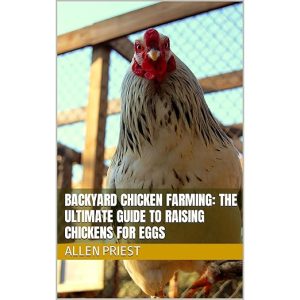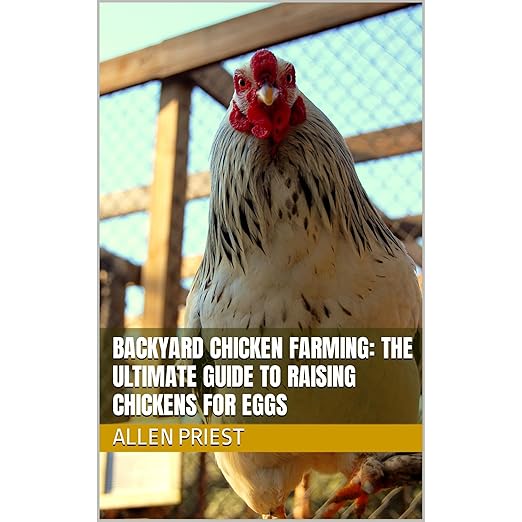
Egg prices and supply uncertainty pushed a lot of people toward the same question over the past few years: what would it actually take to raise chickens at home? This audiobook from Allen Priest is written from the perspective of someone who asked that same question, did the research and experimentation, and wants to pass the resulting knowledge along. At one hour and forty-two minutes, Backyard Chicken Farming: The Ultimate Guide to Raising Chickens for Eggs does not attempt to be a comprehensive agricultural textbook. It is a starter guide, and within that scope it functions well: compact, organized, and broader in coverage than its short runtime might suggest.
From Coop Building to Butchering in One Guide
Priest writes in first person from the opening pages, positioning himself as a fellow consumer who got frustrated with grocery store egg availability and went looking for a more self-sufficient alternative. That framing is consistent with the book's overall approach: this is practical, experience-based advice rather than agricultural theory. The coverage is impressively wide for the runtime. Priest walks listeners through coop planning and construction, and one reviewer noted the book includes material lists for building your own coop, which is a more concrete level of instruction than many entry-level guides offer. Beyond the coop, the book covers breed selection for different climates and purposes, feeding schedules and nutritional requirements, incubation and hatching, egg collection and processing, proper handling and storage for food safety, sustainable organic practices, illness and parasite prevention, and when to seek professional veterinary help. That last section, the illness and parasites chapter, is one where the coverage is most likely to save a new chicken keeper from early flock losses: the diseases and parasites that affect backyard chickens are not always intuitive, and having a framework for recognizing problems before they become fatal matters in practice. The book also covers the egg-laying cycle and strategies for maximizing production, and, perhaps most unusually, includes guidance on butchering and meat production for listeners who want to raise chickens for both purposes. That scope, from coop construction to meat processing, makes this one of the more comprehensive entry-level guides in the category despite its short runtime.
Listening While You Walk the Future Coop Site
Audio works particularly well for this kind of instructional content during the planning phase of starting a flock. Many listeners will be using this material while doing other things: walking the property they are considering for a coop, sketching out logistics, or simply deciding whether to commit to the project. The step-by-step structure Priest uses translates reasonably well to listening even without the visual aids that a print guide would offer. One reviewer who had been considering chickens for years described the book as informative in ways they had not anticipated, which is a useful signal: the content adds value beyond what a quick internet search would surface, particularly in the sections on sustainable practices and on egg-laying cycles that most beginner-focused web content does not cover in depth. Reviewers with no prior chicken-keeping experience consistently describe coming away with a complete picture of what the commitment involves, which is exactly the function a guide like this should serve before someone builds a coop and buys their first chicks.
Short on Depth, Silent on Local Zoning Rules
The one-hour-forty-two-minute runtime means every topic receives introductory treatment rather than deep coverage. Listeners who want detailed breed comparisons across dozens of varieties, veterinary-level illness diagnostics, or advanced flock management strategies for larger operations will need to supplement this with additional resources. Virtual Voice narration means the delivery is flat and metronomic in places where a human guide would modulate tone to signal relative importance: the sections on illness prevention and egg-laying optimization, which benefit most from emphasis, arrive at the same pace as the coop-building logistics. The book is also written from a consumer-frustration origin story, which means it does not address the regulatory and zoning considerations that vary significantly by municipality. Before building a coop, verifying your local ordinances is essential, and the audiobook does not cover that territory. The organic and non-toxic practices section is present but brief: listeners with strong sustainability commitments will want to supplement with resources specifically focused on regenerative small-scale animal keeping.
Homesteaders Get the Full Life-Cycle Payoff
First-time chicken keepers who want a single organized overview before diving into more specialized resources will get real value from this compact guide. Suburban and rural property owners weighing the practical costs and benefits of keeping a small flock will find enough concrete information here to make an informed preliminary decision about whether to proceed. Homesteaders interested in sustainable food production who want to understand the full life cycle, from coop planning to egg collection to, if relevant, meat production, will appreciate the scope even within the short runtime. Skip this if you are already keeping chickens and need intermediate or advanced flock management guidance, or if you require jurisdiction-specific regulatory information about backyard poultry. At one hour and forty-two minutes, this audiobook earns its place as a useful starting point without overclaiming what a starting point can do. For listeners who decide to proceed after this overview, the book gives them the right framework for knowing what questions to ask next and which areas require the most additional research before building a coop and purchasing chicks.
Key Details
- Read by: Virtual Voice narration is serviceable for instructional content but strips out the warmth and emphasis a human guide would bring to a hands-on subject like chicken keeping.
- At its heart: Backyard food sovereignty, sustainable homesteading, practical animal husbandry
- Vibe: Practical and encouraging
- Short version: A solid entry-level guide that covers the full scope of backyard chicken keeping in a compact runtime, best suited to listeners at the very beginning of their research into starting a flock.
Before You Listen
Is this audiobook useful for someone with no prior experience raising chickens?
Yes, and that is exactly the intended audience. Priest writes from the perspective of a beginner who figured this out through research and direct experience, and the step-by-step structure covers every major decision a new chicken keeper will face before and during starting a flock.
What does the Backyard Chicken Farming audiobook cover beyond basic egg collection?
The audiobook covers coop planning and construction including material lists, breed selection, feeding and nutrition, incubation and hatching, sustainable organic practices, illness and parasite prevention, egg handling and food safety, and meat production including guidance on butchering.
How long is this audiobook and is the runtime enough to cover the subject?
At 1 hour and 42 minutes, the runtime is intentionally compact. It provides a solid orientation across all major topics but treats each at an introductory level. Listeners who want detailed breed comparisons, advanced flock management, or veterinary-depth illness information will need additional resources beyond this guide.
Does the Virtual Voice narration affect how well the instructional content lands?
It is functional but noticeably flat. A human narrator would bring emphasis and warmth to a hands-on subject like chicken keeping, helping listeners identify which sections require the most attention. Virtual Voice delivers everything at a uniform pace, so active listening and note-taking are more important here than with a human-narrated guide.