Quick Take
- Narrator: Honey St. Dennis delivers a warm, encouraging performance that suits the book's tone without being saccharine, she sounds like someone who genuinely enjoys the material.
- Subjects: Greenhouse design and setup for beginners, year-round food production, transitioning from hobby to small income source
- Tone: Practical and enthusiastic, the kind of book that makes you want to start a project immediately
- Bottom line: A solid, well-structured introduction to greenhouse gardening that delivers real information without overwhelming first-timers, though experienced gardeners will find the depth limited.
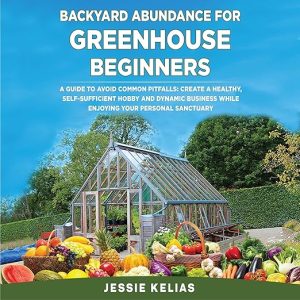
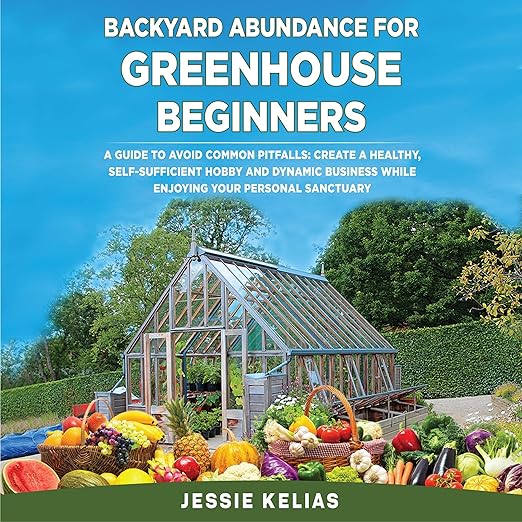
I grew up with a grandmother who treated her small greenhouse the way other people treat their living rooms, warmly and with strong opinions about who was allowed to rearrange things. The smell of damp soil and green growing things in a glass-walled structure on a cold morning is a specific sensory memory I carry from childhood, and I suspect it is why I find greenhouse content genuinely hard to be cynical about. Jessie Kelias's Backyard Abundance for Greenhouse Beginners is a beginner's guide, written with the earnest practicality of someone who has actually done the thing and wants others to succeed at it. Narrated by Honey St. Dennis, it is a short, focused listen that does what it sets out to do.
At three hours and thirteen minutes, this is one of the shorter gardening audiobooks you will encounter. That brevity is partly a reflection of the book's scope. Kelias is not trying to produce a comprehensive horticultural reference. She is trying to help someone who has never built or used a greenhouse understand what they are getting into and make good decisions from the start. That focus serves the primary audience well even as it limits what experienced gardeners will find here.
Five Greenhouse Layouts and a Budget Plan
The structure is what sets this apart from comparable titles. Kelias covers the design and setup phase with unusual care for a beginner's guide, walking through five greenhouse configurations suited to different spaces and budgets. The decision about whether to build or buy receives more attention than most introductory books give it. Then she moves through what to grow and how to grow it, with specific guidance on germination, pollinator management inside a greenhouse environment, and seasonal harvesting. The chapter on pests and disease prevention is concise but functional.
What the book does particularly well is the section on financial planning. Kelias includes a budget framework and discusses the decision point between treating the greenhouse as a hobby versus building it toward small income generation. For listeners who are attracted to the idea of food self-sufficiency but are also thinking about cost-benefit, this section is worth the listen by itself. The companion PDF, available through Audible, extends this with a personal budget chart and visual summary of the system.
Honey St. Dennis Warms a Passionate Guide
Honey St. Dennis is a good match for this material. Her narration has warmth and forward momentum, communicating genuine enthusiasm for the subject without descending into the relentless cheerfulness that can make self-help audio feel exhausting. Reviewers who commented on the book itself described Kelias as 'very passionate about gardening,' and that quality comes through in how the text is written, which in turn gives St. Dennis something real to work with.
The audiobook format is functional for this content with one caveat: greenhouse gardening involves a lot of visual information, from structural designs to plant identification, and the companion PDF is genuinely necessary rather than optional. Listeners who download and reference it alongside the audio will get significantly more from the experience than those who treat it as pure listening content. One reviewer specifically praised the formatting and photographs in the written edition, which suggests the visual material is doing real work.
The practical scope is worth appreciating. Kelias covers a wide range of topics from location assessment to pest control to harvest timing without letting any single topic consume the available runtime. For a first-time greenhouse builder, this breadth is the right call. Knowing you need to think about pollinators before you have even planted anything is exactly the kind of proactive information that prevents expensive mistakes.
Real Depth Ceiling, Brief Income Chapter
The depth ceiling is real. Reviewers with existing greenhouse experience will not find new information here, and the coverage of any individual topic, from hydroponics to specific pest species, is by design introductory rather than comprehensive. This is a foundation, not an encyclopedia, and listeners who have already done their first greenhouse season will want a more specialized resource for their next questions.
The income generation section, while useful in concept, is also necessarily brief. Kelias introduces the possibility of turning greenhouse produce into supplemental income but does not spend significant time on the market dynamics, licensing requirements, or realistic revenue expectations that would make that section actionable. It is more of an encouragement to think about the possibility than a guide to pursuing it.
First Greenhouses Get a Structured Start
Anyone thinking about their first greenhouse who wants a structured, encouraging orientation before committing to design decisions and purchases will find this useful. It is especially strong for listeners who feel overwhelmed by the sheer volume of variables involved in greenhouse gardening and want a single structured framework to organize their thinking. Experienced gardeners will outgrow it quickly. And anyone who already has a greenhouse running should look for more specialized resources on whichever specific problem they are trying to solve.
Common Questions
Does the audiobook work without downloading the companion PDF?
You can follow the narration without the PDF, but the visual elements, particularly the greenhouse design diagrams and the budget chart, are genuinely useful. Kelias references them at relevant points in the audio. Listeners who want the full experience should download the PDF from their Audible library before starting.
Does Honey St. Dennis's narration handle the horticultural terminology clearly?
Yes. The technical vocabulary in this book is not extremely dense, and St. Dennis reads it accurately and at a natural pace. Her warm delivery makes the instructional sections feel like guidance rather than a manual being read aloud, which suits the beginner audience.
Can this audiobook help someone decide whether to build a greenhouse themselves or purchase a kit?
That specific decision is addressed directly. Kelias walks through the considerations on both sides, including cost, structural quality, customization, and time investment. She provides a framework for making the choice rather than a blanket recommendation, which is more useful than most beginner books manage.