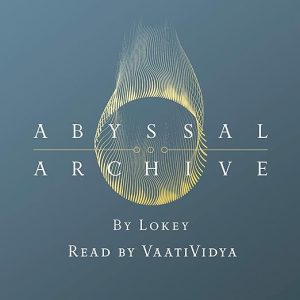
Nineteen hours of unofficial fan scholarship about a video game should not work as an audiobook, and this one largely does. Lokey's project sets out to document the mythos of Dark Souls in more depth than anybody has previously attempted, and the description is candid about its footing: a note at the end states plainly that the book is not officially endorsed by FromSoftware or Bandai-Namco. Almost everything about how you should approach this purchase follows from that one sentence, including the parts that count in its favor.
Being Unofficial Cuts Both Ways Here
The stated ambition is the most comprehensive fan analysis of the Dark Souls mythos ever undertaken, offered as a tribute to Miyazaki's game and built, the copy says, with the same care and attention to detail that makes the original a peerless work of art. That is publisher language and you should discount it accordingly, but the runtime backs some of it up. This is not a summary, a companion volume or a strategy guide. It is a sustained argument about what the fiction means, delivered at the length a doctoral thesis would need.
Evidence for judging it is thin in an unusual way. Fourteen people have graded the title and exactly one has written anything, which leaves a single voice carrying the entire weight of public opinion. Tom Hauser awards five stars, calls the book a good in-depth look at the mythology, and then adds the qualifier that matters most: the work is unofficial, but the reader is, in that assessment, the best non-official source available on anything connected to FromSoftware. That is a reputational endorsement rather than a textual one, and it is worth exactly what you think reputation is worth.
Unofficial status cuts both ways, which the listing is unusually honest about. Nothing here was cleared by a studio, so nobody had to soften a conclusion or drop a theory that contradicts marketing. Equally, nothing here was checked by anyone with access to the design documents, so what you are buying is interpretation from an exceptionally well-informed outsider. Flagging that in the description rather than burying it is more than a lot of licensed material manages.
VaatiVidya's Voice Melts You Like Warm Butter
Oddly for a listing this quiet, the single written notice is about the reading itself. Tom Hauser writes that if you have seen the reader's work on YouTube, then the voice "melts you like warm butter." A genuine warning follows: the effect is "so soothing you may end up falling asleep behind the wheel of your car, so maybe just listen to this at home." Take that as a compliment with a practical rider attached, because whatever makes this much lore bearable on the sofa makes it a poor choice at speed.
Format is the second reason. Game lore is normally consumed as video, with footage under the commentary and item descriptions on screen, and the obvious objection to an audio edition is that all of that disappears. In practice the material was already voice-led. The audience this is written for is used to hearing analysis of these games rather than reading it, and the credited reader is a voice that part of that audience already knows from elsewhere. What you lose is the ability to see an item description while somebody argues about its wording, and that loss is real if the games are not already in your head.
Sheer completeness is the actual product, though. Anyone who has tried to assemble this material from scattered videos and wiki pages knows the shape of the problem: everything is fragmentary, contradictory, and organized by whoever uploaded last. A single long treatment with one authorial hand imposing an order on all of it solves something the fandom has never solved, whether or not you accept every conclusion along the way.
Filed as Software, Written as Mythology
Start with the classification, because it is misleading enough to cost buyers money. This page is filed under computers and technology and carries a Programming and Software Development tag. The book is a work of literary and mythological criticism about a fantasy video game. Nobody browsing for a software title wants it, and the people who do want it are looking somewhere else entirely. If you found this page at all, you almost certainly arrived by searching the title.
Two smaller notes. The description speaks in the plural, saying "We set out to pay tribute", while the byline credits a single name, so the page does not tell you how many people worked on this or in what capacity. And the book assumes fluency: it does not stop to explain who anyone is, so somebody who has never finished one of these games will spend the whole runtime hearing names without referents. This is not an entry point. It is a reward for having already done the work.
Be honest with yourself about length, too. A commitment on this scale to the internal history of one game series only makes sense if the fiction genuinely interests you as fiction rather than as a backdrop to the combat. Players who enjoyed the combat and skipped the item text will find nothing here, because item text is more or less the primary source this whole book is built from.
Rewards Attention and Punishes Drift
Get it if you have finished the games and want the lore assembled properly, if you already follow this kind of analysis in video form and would rather have it playing while your hands are busy, or if you enjoy criticism of any kind applied seriously to popular material. Anyone who has argued about what an item description implies at two in the morning is the target reader, and will know it within twenty minutes.
Avoid it if you are looking for anything resembling a technology book, if you want a strategy or completion guide, or if you have never played a FromSoftware title and hoped this would explain the appeal. It will not. It assumes the appeal and works outward from there.
Fans who fall somewhere in between should think about how they listen. This rewards attention and punishes drift, and a distracted hour will leave you with the sensation of having heard a great many proper nouns. Treat it as reading rather than as background.
If you are still undecided, sample somewhere in the middle rather than at the opening, and do it at home. Both halves of that instruction come straight from the only person who has written about this recording in public.
In Brief
- Performance: A voice the intended audience may already know from YouTube, and the only element the listing's single review grades.
- What it covers: Dark Souls mythology, fan scholarship, unofficial criticism, worldbuilding read as literature.
- Feel: Calm, obsessive and unhurried.
- Our call: The most complete Dark Souls lore treatment available in audio, aimed squarely at people who have finished the games.
Is the Abyssal Archive audiobook officially licensed by FromSoftware?
No, and a closing note in the description says so directly, naming both the developer and the publisher as having given no endorsement. That means no studio access and no editorial approval, but also no obligation to soften anything. The one reviewer treats the unofficial status as a known quantity rather than a defect.
Why does the listing warn against playing this audiobook while driving?
That warning comes from the only written review on the page, which calls the reading soothing enough that you might fall asleep at the wheel and recommends the sofa instead. It is meant as praise for the voice, and it doubles as practical advice that seems worth following.