Quick Take
- Narration: Jesse Mecham self-narrates with the low-key conviction of someone who has given this particular talk many times and genuinely means it, unpretentious and direct.
- Themes: Behavioral budgeting, debt elimination, intentional spending
- Mood: Practical and encouraging, like a patient friend who actually follows a budget
- Verdict: A compact, functional introduction to the YNAB method that works best for listeners who are ready to start, not just ready to think about starting.
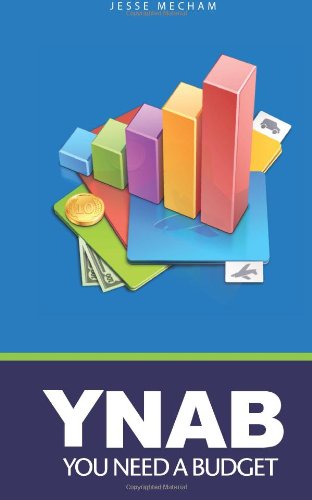
I finished this one on a Sunday afternoon in early spring, the kind of day when you’re doing small domestic tasks and half-listening, half-processing. The You Need a Budget method has been circulating in personal finance circles long enough that I came in with some familiarity. What I didn’t expect was how much the self-narration changes the experience. Jesse Mecham doesn’t read his book so much as explain it, in the slightly unhurried tone of someone who has been living these four rules for decades and isn’t trying to convince you of anything so much as show you something he thinks is obvious once you look at it properly.
The audiobook runs just under five hours, which is either reassuringly compact or suspiciously brief depending on your expectations for a financial system book. Mecham makes no apologies for the length. The methodology is genuinely teachable in the time allotted, which is itself a kind of argument for the method: if it can’t be explained clearly in five hours, it probably can’t be practiced clearly either.
Four Rules, Clearly Explained
The four rules at the heart of YNAB are Give Every Dollar a Job, Embrace Your True Expenses, Roll With the Punches, and Age Your Money. Mecham spends a chapter on each, and the progression is thoughtful rather than arbitrary. The first rule asks you to stop treating money as an undifferentiated pool. The second addresses the annual and irregular expenses that derail most budgets. The third is where the book earns its honesty: most budgeting systems pretend that perfect adherence is possible. Mecham starts from the premise that you’ll deviate and builds flexibility into the methodology from the beginning.
Reviewers have noted the absence of complex financial vocabulary, and that absence is clearly deliberate. One reviewer described feeling that this was the first budgeting approach that didn’t assume she already had the knowledge she was trying to acquire. That’s a meaningful distinction. YNAB doesn’t require you to understand compounding interest before it lets you start.
The Method Versus the Software Question
One thing Mecham threads carefully is the relationship between the book and the YNAB software application. The method is presented as conceptually independent, but the YNAB app is a real and prominent presence throughout. Listeners should know going in that the software is a subscription product. The book is genuinely useful without the app, but the full ecosystem the author describes assumes you’ll be using it. This isn’t deceptive, but it shapes what the audiobook is: partly a standalone guide, partly a persuasive onboarding experience for the software platform.
For listeners who already use YNAB, the book functions as the conceptual foundation that the app’s tutorials gesture toward but don’t fully deliver. For newcomers, it’s a clear-eyed introduction to behavioral budgeting logic that holds up independent of any particular tool.
Who This Book Is Actually For
One reviewer described using this as a tool for saving toward a home purchase rather than climbing out of debt. That’s worth flagging because the marketing language around YNAB tends to emphasize crisis recovery. The methodology works equally well for people who are financially stable but want intentionality, not just survival management. Mecham acknowledges this range in the book, though the crisis-recovery framing is the more emotionally vivid one.
The listener who described growing up in a household where money caused constant conflict found something more than budgeting advice here: a relational reframe around money itself. That backstory is present in the narration without being belabored.
Listen, or Pass
Listen if you want a concrete, no-mystification approach to personal budgeting and are willing to engage with the four rules actively rather than passively. The self-narration adds warmth. The compact runtime means you can revisit key sections without a major time commitment.
Pass if you want an advanced investment or wealth-building framework. This is budgeting methodology, not financial planning in the broader sense. If you already have a functioning system and are looking for optimization rather than foundation, you’ll find the material familiar.
Frequently Asked Questions
Can you practice the YNAB method without purchasing the YNAB app subscription?
Yes. Mecham presents the four rules as methodology that can be applied with any budgeting tool, including a spreadsheet. The book is conceptually complete without the software, though the app ecosystem is frequently referenced throughout.
Is this audiobook suitable for people who are not in financial difficulty but want better money management?
Absolutely. Despite marketing that often emphasizes debt recovery, Mecham explicitly addresses listeners who are doing reasonably well financially but want more intentionality. The method scales to goal-based saving as readily as to crisis management.
At under five hours, does the audiobook feel rushed or incomplete?
Most reviewers find the length appropriate rather than insufficient. The method is genuinely straightforward, and Mecham resists padding. The brevity is consistent with the methodology’s emphasis on simplicity over comprehensiveness.
How does Jesse Mecham’s self-narration compare to a professional narrator for this type of content?
Mecham narrates in a conversational, unhurried register that suits the material. He’s not a trained voice actor, but the authenticity of someone explaining their own lived methodology comes through clearly. Listeners who prefer polished professional narration may find it slightly informal.