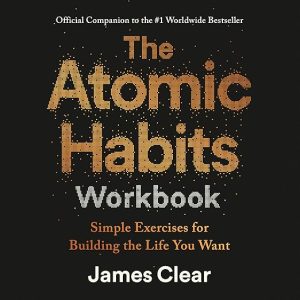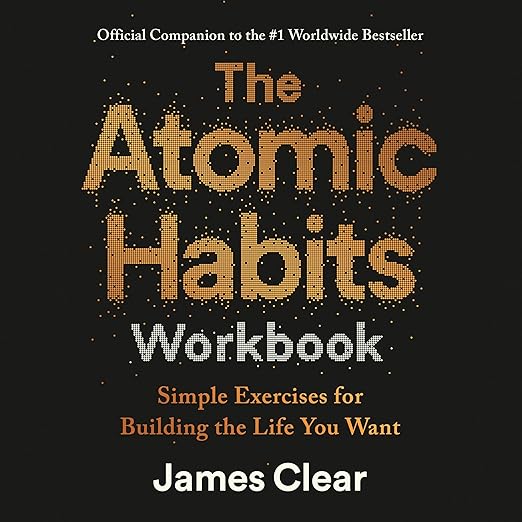
James Clear wrote a book that sold 25 million copies. Then he wrote the workbook that tells you what to do with all of it. The Atomic Habits Workbook audiobook, narrated by Clear himself, is the companion piece that the original Atomic Habits always implied it needed - a structured, exercise-driven guide that pulls readers off the sidelines and into active practice. The format distinction matters here: this is not a summary or a refresher. It is a prompt-and-respond instrument, and the listening experience reflects that purpose from the first track.
What James Clear Delivers
What Clear has done with this workbook is strip the original book's theory down to its working parts and turn each one into a question you have to answer. The habit loop, the role of identity in behavior change, the concept of habit stacking - each piece gets its own guided prompts, and they are more pointed than the exploratory tone of the original book suggested they would be. One reviewer described the workbook as able to stand on its own even without re-reading Atomic Habits, and that checks out; Clear builds enough scaffolding in the audio to orient listeners who last read the source material years ago. The exercises on environmental design are particularly concrete: not just 'think about your environment' but a step-by-step template for identifying specific friction points in a specific room. That precision is what separates this from the genre of loosely structured self-help supplements.
The habit-plateau section deserves separate attention. One of the most common complaints about habit-formation books is that they address the beginning of a habit but go quiet on the period when motivation collapses and results plateau. Clear addresses this directly here, with strategies that acknowledge the plateau by name and treat it as a predictable engineering problem rather than a personal failure. This shifts the listener's relationship to setbacks from self-criticism toward problem-solving, and it is arguably the most practically useful section in the entire workbook.
What James Clear Gets Right
Clear's self-narration is the right call for this material. His delivery has the measured cadence of someone who has explained these ideas to thousands of people and has learned exactly where to pause and where to push. He does not rush through prompts, which matters when the prompts are designed to make you stop and think. The experience of hearing Clear walk you through a journaling template in his own voice carries a different effect than reading it from a page; it feels less like homework and more like working through a structured coaching session. That said, the audiobook edition requires the downloadable PDF appendix to function as intended. The workbook pages, habit trackers, and cheat sheets exist only in that document, and trying to engage with the audio-only version without it is like following a recipe while the ingredient list is in a separate room. This is not a flaw unique to this audiobook, but it is the defining practical constraint, and any potential listener should factor it in before purchasing.
The section on fun in habit formation is new material, not a repackaging of the original book, and it reframes consistency in a way that earlier habit-science books rarely did. The argument that enjoyment is not a luxury but a structural requirement for long-term habit maintenance shifts the conversation away from discipline and toward design. Clear draws on neuroscience without overloading the listener, and the prompts that follow ask genuinely targeted questions about which parts of existing routines already carry enjoyment and which ones rely entirely on willpower - an honest distinction that most productivity frameworks avoid.
Where James Clear Loses Some Ground
At two hours and forty-five minutes, the workbook runs short by audiobook standards, but that brevity is structural rather than a sign of thin content. The format is exercises, not exposition. Listeners who expect the immersive listening experience of the original book will find the stop-and-start rhythm of prompted reflection unfamiliar, and some will struggle with the passive audio format for material that explicitly demands active response. The most common pattern among reviewers is using the audiobook alongside the print or Kindle edition of the original Atomic Habits, pausing at each prompt to write in a physical journal. That hybrid approach is probably the most productive way to use this product, and it is worth planning for before sitting down with headphones alone. Clear does not pad the runtime; each section moves quickly from explanation to prompt, which can feel abrupt if you want more conceptual exploration before being asked to apply something. Listeners who want depth on any individual topic - the neuroscience of dopamine and habits, say, or the research behind implementation intentions - will need to return to the source book or Clear's other writing. This companion is resolutely practical in its orientation.
Who Should Pick Up The Atomic Habits Workbook
This audiobook rewards listeners who have already read or heard Atomic Habits and want a structured accountability system for applying its principles. It also works for people who are familiar with the system's ideas through summaries or podcasts and want a guided framework for putting them into practice. It is less suitable for listeners who want a standalone narrative experience or who have not yet encountered Clear's core framework - starting here without the foundation will make some prompts feel abstract. The downloadable PDF is essential, so anyone who cannot or will not engage with a companion document should approach the audio-only format with caution. Those who have been implementing Atomic Habits informally for years but feel stuck will find the plateau strategies and the habit-adaptation section specifically useful - this part of the workbook addresses the stage of maintenance that most habit instruction skips.
- Narration: James Clear reads his own material with the calm authority of someone who has spent years teaching this system to live audiences; his pacing suits guided exercises better than dramatic storytelling, which is exactly what the workbook requires.
- Themes: Habit formation science, identity-based behavior change, incremental self-improvement
- Mood: Focused and actionable, methodical without being dry
- Verdict: Clear's self-narrated companion gives the Atomic Habits system its interactive layer, but the downloadable PDF is not optional - plan to engage with both simultaneously.
Good to Know
Is the PDF appendix really necessary for the audiobook version?
Yes. The workbook pages, habit trackers, and cheat sheets referenced throughout the audiobook exist only in the downloadable PDF. The audio guides you through how to use them, but the actual templates are in the document. Treat both as parts of the same product.
How does James Clear's self-narration compare to a professional narrator for this kind of audiobook?
It works well for the format. Clear delivers the prompts and explanations with the measured, coaching-style pacing of someone who has taught this material repeatedly. The narration prioritizes clarity and natural pausing over dramatic performance, which suits an exercise-based format better than a story-driven narrator would.
Can the workbook audiobook be used on its own, or does it work best alongside the print version of Atomic Habits?
Many listeners use it alongside the print or Kindle edition of the original Atomic Habits, pausing the audio at each prompt to write in a physical journal. That hybrid approach is probably the most effective. The workbook audio does provide enough context to stand alone, but the experience is noticeably richer when paired with active written reflection rather than passive listening.