Quick Take
- Narration: Virtual Voice narrates this collection, and the format, jokes and riddles requiring comedic timing and audience interaction, is one of the formats for which synthetic narration is most poorly suited.
- Themes: Wordplay and riddles, humor as critical thinking, creative encouragement
- Mood: Playful and energetic on paper, flat in execution via synthetic voice
- Verdict: The content itself works well as a print or ebook humor collection, but the Virtual Voice narration strips the jokes of the timing and personality they require to actually land for young listeners.
Humor is among the most technically demanding things to perform. Anyone who has heard a joke told badly knows the exact moment when timing slips and the punchline arrives in silence rather than laughter. This is true for professional comedians, true for parents reading aloud at bedtime, and overwhelmingly true for the synthetic text-to-speech voice that Audible deploys under the Virtual Voice label. I want to be fair to Christiana Berg’s content here, because the reviews of the underlying book are genuinely positive and the structural design is sound. The problem is the delivery mechanism, which is not suited to this material.
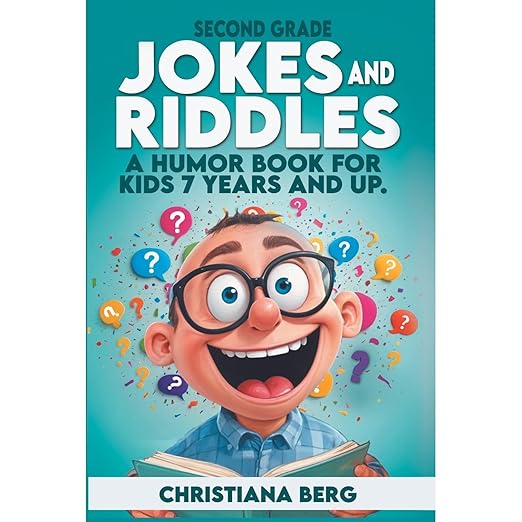
Second Grade Jokes and Riddles is part of the Laugh and Learn Library series, aimed at kids seven and up, and it does several things well in concept. The jokes and riddles are organized into themed chapters, animals, math, and sports, with what reviewers describe as a graduated difficulty that makes it accessible for a range of young readers. There is a Creative Corner section where children can write their own jokes and riddles, which is a nice structural touch. The 4.6 rating across 23 listeners reflects real satisfaction with the content in its print form.
When the Format and the Medium Diverge
A joke collection’s entire value proposition in audio is the delivery. The pause before the punchline, the slight shift in tone for the setup versus the answer, the warmth that makes a bad pun land despite itself, these are performance qualities that a human narrator carries naturally and that synthetic voice cannot replicate. Virtual Voice reads the jokes at the same cadence it reads anything else, which means the punchlines arrive without the anticipatory tension that makes them funny. The riddles, which require an invitation to think before the answer is revealed, lose their interactivity entirely when the text-to-speech moves directly to the solution without any felt pause.
One reviewer specifically noted the book contains encouragements throughout, alongside the jokes and riddles. Those affirmations, designed to be warm and reassuring in print, have a similar problem in synthetic narration. Warmth is a performed quality. A Virtual Voice saying “You’re amazing!” lands differently than a human voice saying the same thing, and for the seven-year-old target audience, that difference is felt rather than rationalized.
The Creative Corner in Audio Format
The Creative Corner section, where children are prompted to create their own jokes and riddles, presents an additional audio-specific complication. In print, this section provides space for writing and drawing. In audio, a prompt to write your own joke becomes a listener-directed pause that the audio itself cannot facilitate, the synthetic narrator moves on regardless of whether the child has had time to engage with the creative prompt. Parents who purchase this specifically for the interactive element should be aware that the audio format requires manual pausing to get the intended experience.
None of this is a criticism of the underlying content, which reviewers consistently describe as fun, genuinely challenging in places, and well-organized. The animals chapter, the math chapter, and the sports chapter give young readers a thematic structure they can navigate, and the graduated difficulty means both confident and still-developing readers can find material at the right level. The issue is entirely with the format mismatch: this is content that benefits enormously from a human narrator with comedic instincts, and it has been given a synthetic voice instead.
Who This Works For, and Who Should Look Elsewhere
If your child is primarily a visual reader who will pause the audio and think through the riddles at their own pace, the content itself is strong enough to deliver on its promise. For children who want the experience of being told a joke, the performance, the timing, the shared laughter, the audio version of this collection will feel flat. A parent reading the print edition aloud will produce a significantly more engaging experience for the same material, and that is worth knowing before choosing this format.
Frequently Asked Questions
Why does a joke and riddle book have a Virtual Voice narrator rather than a human narrator?
Audible’s Virtual Voice is a text-to-speech synthetic narration option that publishers can deploy for lower-cost audio production. For reference material, nonfiction, or straightforward prose, it can be adequate. For humor content that depends on timing, pause, and performance, like joke and riddle collections, it is a significant mismatch that affects whether the jokes actually feel funny rather than just read.
Is the Creative Corner section usable in audio format?
Only with manual pausing. The Creative Corner prompts children to write and draw their own jokes and riddles, which works well in print. In audio, the narrator continues without providing the actual pause needed for the creative activity, so parents or caregivers will need to pause the audio intentionally and give the child time to engage with the prompt before moving on.
The print version of this book has strong reviews. Does the audio deliver the same experience?
The content, the riddles, jokes, and organizational structure, is the same. The experience differs significantly because humor is a performance-dependent form. Reviewers who rate the underlying content highly are responding to the jokes themselves, which work on the page. In audio, the same jokes without comedic timing and human warmth lose much of their effect, particularly for a seven-year-old audience that responds to performance as much as content.
How difficult are the riddles, are they appropriate for all second graders, or only more advanced readers?
Reviewers describe the riddle difficulty as graduated, with many described as tough and ideal for brainy kids who enjoy problem-solving. The collection is organized into themed chapters, so the difficulty varies by section. Most second graders will find some riddles immediately accessible and others genuinely challenging, which is part of the book’s design logic.