- Narration: Credited narration reads oddly on this listing, but everything about the material points to Mireille Guiliano narrating her own recipes and stories.
- Themes: French eating philosophy, portion instinct over restriction, food as pleasure rather than punishment.
- Mood: Warm, personal, encouraging.
- Verdict: A pleasant companion listen for existing fans of Guiliano's philosophy, not a stand-alone kitchen reference.
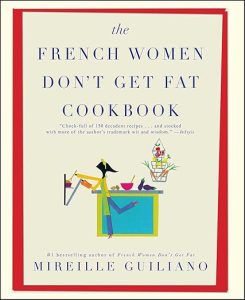
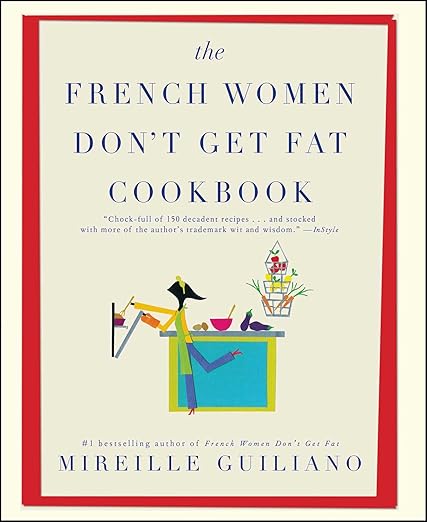
Can a cookbook built entirely around French portion instincts and seasonal ingredients actually work in audio, without a single printed measurement to glance at while your hands are busy? That's the real test facing this audiobook version of Mireille Guiliano's first cookbook, a collection organized around her three favorite daily pastimes, breakfast, lunch, and dinner, built to extend the philosophy she introduced in the original French Women Don't Get Fat. At three hours and twenty-seven minutes, it moves through fresh, seasonal, simply prepared dishes, a chapter on dessert and chocolate she treats as non-negotiable, and a secret family recipe from her Tante Berthe for a breakfast she claims melts pounds away effortlessly.
A Narrator Credit That Reads Like Guiliano Herself
This is specifically the cookbook, not the original bestseller, Guiliano calls it her first-ever cookbook in the source material, organized around pure flavors, balanced ingredients, and easy cooking methods rather than restriction or calorie-counting. Eating pleasurably matters as much here as eating healthfully, and dessert and chocolate get real space rather than a token mention at the end.
The credited narration on this listing reads oddly, just Mireille with what looks like a stray category tag attached, but everything about the content points toward Guiliano narrating her own book. The first-person Tante Berthe story, the childhood-in-France anecdotes, the personal material about Provence, Paris, and New York, all of it fits a lifestyle author whose entire authority rests on personal voice and lived experience rather than secondhand expertise.
It helps to remember why a cookbook spinoff exists at all here. The original French Women Don't Get Fat became, in the language of its own publisher, a worldwide publishing phenomenon and the cornerstone of Guiliano's whole public identity, so this audiobook functions less as a stand-alone project than as the natural next chapter for millions of readers who already bought into her broader philosophy and wanted the actual dishes behind it.
The rhythm of an ordinary day, not a rigid regimen, is what actually carries Guiliano's broader philosophy here, treating each meal as its own small, pleasurable ritual rather than one big daily discipline to white-knuckle through. Reviewers responding primarily to her personality and style rather than to any single recipe suggests that rhythm is what actually sticks with listeners well after the specific dishes themselves are forgotten.
Reviewers Praise Her Personality Over the Recipes
Reviewer Hannah Falanga borrowed this from her local library, tried a recipe or two, and loved it enough to want her own copy, specifically citing Guiliano's personality and what she calls a piquant style as the real draw, not just the recipes themselves. That's a strong signal for an audio format built around personality and voice.
Reviewer Megan calls it a fun yet practical journey and food journal, crediting the personal anecdotes and stories for making the advice to skip fast food and oversized portions land as encouragement rather than restriction. That tone, stylish rather than punitive, is exactly what a first-person audio narration reinforces most effectively.
Reviewer Kp's account is short but telling: bought as a gift, and the friend receiving it genuinely enjoyed it. That gifting instinct makes sense for a book built this specifically around one woman's warm, distinctive personality rather than around interchangeable recipe content, the kind of book people pass along because they want a friend to hear that particular voice, not just to gain a set of instructions for dinner.
The wine and entertaining advice mentioned in the synopsis deserves its own note, since it signals this book reaches beyond individual eating habits into a fuller lifestyle philosophy, how to plan a menu, how to host without exhausting yourself, how to think about wine pairing as part of pleasure rather than expertise-signaling. That broader scope is part of what separates a cookbook built around one person's philosophy from a straightforward recipe collection with no throughline at all.
Three Hours of Instinct Over Instruction
At three and a half hours, this is a short, focused listen rather than a comprehensive culinary education, and a cookbook read aloud has a real practical limit: you can't glance back at a printed ingredient list mid-recipe the way you can with the physical book sitting open on the counter.
This works best as inspiration and narrative context, understanding why Guiliano cooks the way she does, paired with the print or ebook edition for actual kitchen use, rather than as your only reference while cooking a specific dish from start to finish.
Runtime is the other honest flag here. Three hours and twenty-seven minutes is short even for a personality-driven cookbook, meaning the breakfast, lunch, and dinner material, along with the entertaining and wine-pairing advice the synopsis promises, moves briskly rather than lingering on any single dish. If you're used to longer culinary memoirs with extended storytelling around each recipe, recalibrate expectations toward something closer to a warm, efficient conversation than a leisurely narrated cookbook.
The health-wellness and home-garden genre tags attached to this listing both make a certain sense once you actually hear the content, since this isn't strictly a diet book or strictly a cooking show, it moves fluidly between eating philosophy, entertaining advice, and personal memoir in a way that resists sitting cleanly inside a single genre label.
The recipes themselves lean toward technique and instinct over precise measurement-driven instruction, consistent with the wider philosophy Guiliano is known for, favoring a cook's judgment about freshness and balance over rigid adherence to exact quantities. That approach translates naturally to audio narration, since the guidance is closer to a trusted friend's advice in the kitchen than to a set of instructions requiring constant visual reference.
Listeners drawn to the broader French-lifestyle nonfiction category, books built around the premise that a whole different national relationship with pleasure, food, and pacing has something to teach an overworked American audience, will recognize the genre instantly here, and Guiliano remains one of its most recognizable and, per the attached reviews, most consistently well-liked voices.
Skip It If You Need Exact Measurements
Recommended for existing fans of the original French Women Don't Get Fat who want the philosophy extended into actual recipes, listeners who enjoy memoir-flavored food writing, and anyone who prefers narrative motivation over strict diet rules.
It also suits listeners who already cook fairly confidently and want inspiration and philosophy more than step-by-step instruction, since Guiliano's whole approach assumes a listener willing to adapt general principles, fresh ingredients, sensible portions, real pleasure in the process, to their own kitchen rather than follow a recipe with rigid precision.
Skip it if you need a hands-free, purely functional recipe reference for active cooking, or if you're looking for rigorous nutritional science rather than a personal, anecdote-driven approach to eating well.