
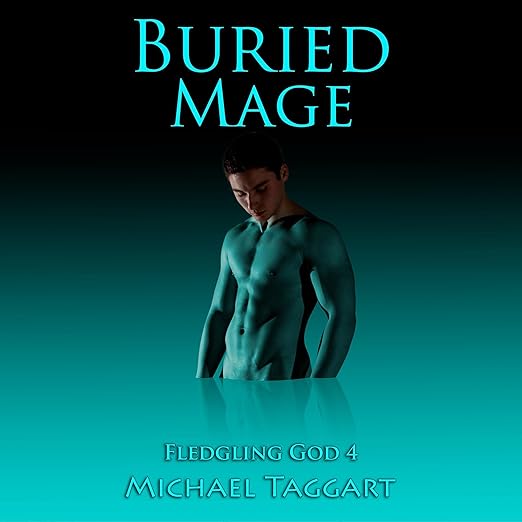
In Brief
- Performance: Ron McKenzie-Lefurgey handles the ensemble cast of the Louisville Mages with warmth and specificity, particularly strong on Jason's emotional transitions throughout this volume.
- What it covers: Found family under sustained pressure, identity forged through suffering, magic systems as metaphor for personal growth
- Feel: Cozy urban fantasy with sudden emotional depth and real stakes
- Our call: A fourth book that demands you have read the series from the beginning, and rewards that investment with characters whose relationships carry genuine weight.
I came to Buried Mage, the fourth book in Michael Taggart's Fledgling God series, through a recommendation from a reader who described it as the urban fantasy equivalent of comfort food that occasionally punches you in the stomach. That turned out to be accurate. I was halfway through my morning commute when the book made good on the stomach-punch part, and I had to pause and collect myself before continuing. It is not often that a genre series earns that response four books in.
The setup picks up directly after The Gathering, a seven-day event that sent protagonist Jason home changed, more skilled, more confident, and with a denser magical matrix than before. He returns to John, Tyler, and Annabeth, his found family in Louisville, with new ideas about how to revolutionize the charm-making process that sustains the House. Then the rotten mages show up, and the confidence Jason carried home gets tested in ways the synopsis understates considerably.
Is Buried Mage Worth Your Time?
What separates the Fledgling God series from the broader urban fantasy landscape is not its magic system, which is distinctive and genuinely interesting, but its emotional honesty about what it costs to be in a chosen family. Jason's relationships with John, Tyler, and Annabeth are not backdrops to the action. They are the action, in the sense that what happens to those bonds under pressure is what the reader actually cares about. Taggart has built this across four books with the patience of someone who trusts their audience to stay invested.
One reviewer described the experience as reading about pain, anguish, and extreme suffering that forces a question about whether you break, melt, or become something new. That is not typical praise for cozy urban fantasy, and it signals something real about what Taggart is doing here. The title becomes legible about halfway through, and when it does, it reframes everything that preceded it in ways that reward attentive listeners. The significance is not announced with fanfare. It emerges quietly, and it lands harder for that.
One of the recurring pleasures of this series is its supporting cast, human, animal, and otherwise. Bermuda, the supernatural companion that multiple reviewers have described as a composite of everything lovable about their own pets, has a meaningful presence in this volume that rewards long-term readers who have watched the bond develop. The House's dynamics are given room to breathe, and the quiet scenes between major confrontations carry as much weight as the combat sequences themselves.
Taggart's tone manages the difficult balance of laugh-out-loud character moments and genuine emotional stakes without one undermining the other. The detail extends to specifics: one reviewer noted, with a kind of affectionate bewilderment, that the main character's diet appears to consist almost entirely of sugar, and wondered whether magic diabetes is a canonical concern. That kind of reader investment in the logistics of a fictional world is the clearest sign a series is working. These are people, not archetypes, and the series' staying power comes from that specificity of characterization across four books of accumulated detail.
Before You Commit to Buried Mage
At thirteen hours and ten minutes, this is a substantial listen, and Ron McKenzie-Lefurgey carries it with the ease of someone who has spent real time inside these characters. His handling of Jason's emotional transitions, from post-Gathering confidence to the vulnerability that the book extracts from him, is precise without being dramatic. The ensemble voices are distinct without becoming caricature, which is a real skill in a cast this varied. For new readers: begin with book one. This is not an entry point. But for readers already in the world, McKenzie-Lefurgey's narration is an enhancement rather than merely a delivery mechanism for a story they would read in any format.
It is also worth acknowledging something that the reviews gesture at but rarely state directly: the Fledgling God series is quietly doing something unusual in its genre. The magic system is distinctive, but the real innovation is in how Taggart handles the ethics of a found family under genuine duress. Jason does not emerge from the events of this book unchanged or unscathed, and the book does not pretend that the worst things that happen leave no marks. The series asks real questions about what loyalty costs and what it is worth, and it answers them with more complexity than the cozy urban fantasy category typically permits. That combination of warmth and honesty about consequences is what brings readers back through four books and into anticipation for a fifth. It is also what makes Buried Mage worth the patience its slower first half requires.
There is also something worth saying about what the Fledgling God series achieves for LGBTQ readers within urban fantasy specifically. Jason's identity is not the subject of the series' conflict. The series does not build dramatic tension around whether he will be accepted by the people he loves. That acceptance is a given, which frees the story to build tension around other, more interesting questions about what competence and belonging actually look like under pressure. That structural choice, treating queerness as background rather than foreground, is less common in urban fantasy than it should be, and it is part of what makes the series feel genuinely welcoming rather than tokenizing. Buried Mage continues that approach without fanfare.
Should You Listen to Buried Mage?
If you have not read the Fledgling God series from the beginning, do not start with Buried Mage. The emotional payoffs in this volume depend entirely on investment accumulated across the prior three books. For those readers, this is a strong fourth entry with real character development and stakes that feel earned. A reviewer noted it does not quite match the spectacular quality of the third book, Gathering Mage, and spends more time on build-up before its major events land. That assessment is fair. But the build-up is richly inhabited, and what it builds toward is worth the patience.







