The Short Version
- Performance: Sheleana Aiyana narrating her own journal guide brings an intimacy and lived authority that a professional narrator could not replicate; her voice carries the vulnerability the material asks of listeners.
- What it covers: Self-acceptance after loss, inner child work, somatic healing practices
- Feel: Gentle and quietly encouraging, with emotional depth beneath the accessible surface
- Our call: Sheleana Aiyana's Becoming the One journal guide audiobook works best as a companion to active inner work rather than passive listening, and her self-narration makes it feel like a direct conversation rather than a broadcast.
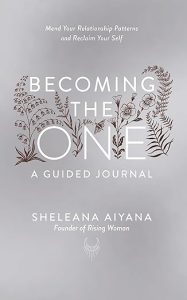
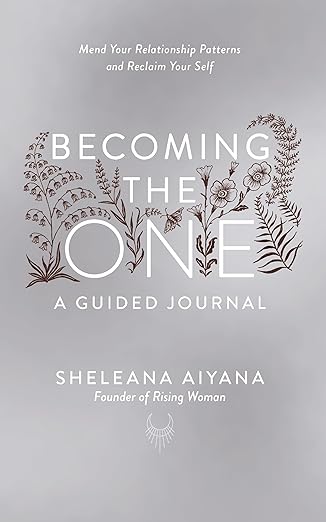
Sheleana Aiyana built Rising Woman into one of the most substantial self-healing communities in the digital wellness space before producing Becoming the One, which she narrates herself in this audiobook running seven hours and fourteen minutes. This is the interactive journal companion to her first book of the same title - built around journaling prompts, somatic exercises, reflections, and meditations that ask listeners to engage actively rather than absorb and move on. Understanding that distinction shapes the entire experience of approaching it.
The Verdict, Briefly
The journal guide format is relatively rare in the audiobook space, and Aiyana navigates the translation thoughtfully. She opens with the orienting question that the synopsis frames directly: Are you feeling disconnected? Working through a breakup? At a crossroads? That positioning is deliberate. This is not a general personal development audiobook that might apply to anyone at any stage; it is designed for people in the specific emotional territory of disconnection, transition, or the aftermath of relationship loss. The targeting is a feature rather than a limitation. Aiyana is not trying to be useful to everyone; she is trying to be genuinely useful to people in that particular place, and the somatic exercises and journaling prompts are structured around the specific emotional states people in that territory actually encounter.
The structure builds on the wisdom from Aiyana's first book while functioning as a companion rather than a summary. Listeners who have worked with the original Becoming the One will find the journal guide extends and deepens that work through interactive exercises rather than repeating the conceptual framework. Those who come to the guide first will still find it coherent - the Rising Woman methodology is accessible without the prior book - but the framing references the earlier material often enough that the full sequence produces a richer experience. Reviewer Cassie Crabbe noted that these journals are not easy to do but that they are worth the effort for anyone who wants real change, which is both accurate and useful framing: this is not comfort listening in the passive sense. It is structured work that asks something specific of the listener.
Why Becoming the One Works as an Audiobook
Aiyana narrating this material is the correct production decision and is the primary reason to choose the audiobook format over the print journal. Her voice carries the specific quality of someone who has moved through the terrain she is describing. The somatic exercises and meditations in particular require a guiding voice that holds the space rather than simply reads the instructions, and Aiyana's delivery has that quality throughout. When she guides a reflection on inner goodness or a somatic release exercise, the narration is participatory rather than declarative. She is doing it alongside the listener, or at least performing it with enough presence that the distinction matters practically for someone actually attempting the exercises.
Reviewer Rachael Moeckel described this as highly recommendable for anyone on a self-healing journey, and the community that has formed around Rising Woman's content suggests that the audience for this material is substantial and engaged. The audiobook extends the Rising Woman methodology into a format that listeners can engage with during walks, in quiet morning sessions, or alongside the printed journal if they want both the written prompts and the guided audio version of the exercises. That flexibility of use is a genuine asset of the audio format for this kind of interactive material, allowing listeners to engage with the exercises in the way that fits their current environment and emotional readiness rather than being confined to a desk with a pen.
Points to Consider
The distinction between this and the original Becoming the One book deserves clarity. This is a journal companion - an interactive guidebook of journaling prompts, somatic exercises, reflections, and meditations - rather than a new book developing Aiyana's core framework further. Listeners expecting the conceptual depth and narrative arc of the original book may find this more practice-oriented and less discursive than they anticipated. Both functions are valuable, but they are different, and choosing the right one for where you currently are in the self-healing process matters. The two work together as a system rather than as alternatives.
The somatic exercises in audio form require a specific kind of listening context. They are not designed to be heard while commuting or multitasking, and some of the reflection and meditation sequences will be disruptive if attempted in a noisy or divided-attention environment. The most effective use of this audiobook is in dedicated sessions, probably thirty to sixty minutes, where the listener can be still enough to actually do the exercise rather than simply hear it described. Aiyana's instructions assume the listener is present and engaged, and the guide is considerably more valuable when that assumption is met. Listener Aspen Maria Lanouette described the book as having made a very positive impact, and reviewer Cassie Crabbe emphasized taking your time through the material rather than rushing it, which is the correct relationship to establish with the exercises from the first session.
Who Should Pick Up Becoming the One
This audiobook is for people who are actively doing inner work and want structured, guided support for that process. If you are in the aftermath of a significant relationship ending, at a genuine crossroads about who you are and what you want, or experiencing the kind of disconnection from yourself that accumulates during periods of sustained external focus, Aiyana's framework addresses that territory with specificity and practical structure. Listeners who have found the Rising Woman content on social media or who have already read the original Becoming the One book will find this a natural and useful next step. Those looking for a comprehensive personal development framework or conceptual grounding in attachment theory and somatic psychology will want supplementary reading alongside it. The guide assumes a readiness to do the exercises rather than just learning about them, and it works best for listeners who bring that readiness and the quiet context it requires.