Quick Take
- Narrator: Adam Rippon self-narrates, and his comic delivery and willingness to fully embarrass himself in audio form makes every story land harder than it would on the page.
- Subjects: Perfectionism and performance, poverty and self-invention, the brutal economics of elite figure skating
- Tone: Warm, relentlessly funny, and surprisingly tender
- Bottom line: Rippon narrating his own life is exactly the audiobook experience the material deserves, combining athletic candor with pure comic timing in one of the stronger sports memoirs in recent years.
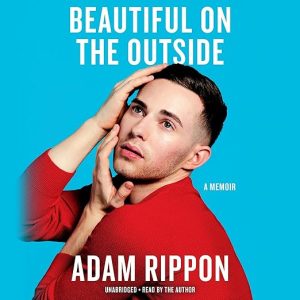
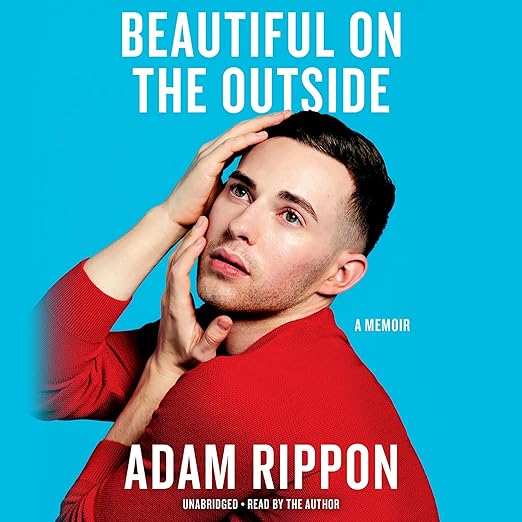
Does a figure skater who rode Greyhound buses next to ex-convicts to get to practice qualify as an underdog story? Adam Rippon's audiobook of Beautiful on the Outside answers that question at length and with considerable humor, and the answer is yes, emphatically. The Washington Post called it comedic gold, and that description survives contact with the actual material. At eight hours and nineteen minutes, self-narrated by Rippon himself, this memoir earns its runtime through a combination of genuine athletic candor and the kind of self-awareness that can only come from someone who has spent years perfecting a smile while everything beneath it is on fire. The result is a sports memoir that is also, genuinely, a comedy.
Rippon spent most of his competitive career as an extremely talented skater who kept almost reaching the top level of international competition and then not quite getting there. The memoir covers the long, financially brutal stretch of that almost-career with more honesty than most athlete autobiographies allow. The economics of elite figure skating, the coaches, the costumes, the ice time, the travel, are not cheap, and Rippon was not wealthy. The free apples at the gym. The Greyhound buses. The calculated self-presentation that covered the gap between what his skating life required and what he could actually afford. These details are specific and honest in ways that transform the book from celebrity memoir into something more durable.
What We Made of It
Rippon's voice is the central asset here, in both senses. His literal voice in narration, quick and self-deprecating and fully committed to every embarrassing anecdote, is a constant delight throughout the eight hours. And his authorial voice, the sensibility that chooses these particular stories and shapes them with this particular comic timing, reveals a person who has thought carefully about the gap between performance and reality. The title itself is a joke about figure skating's aesthetic demands that doubles as a genuine observation about what it costs to maintain an image over years of competitive scrutiny.
The Scranton-to-world-stage structure is well-organized. Rippon moves chronologically through his homeschooled Pennsylvania childhood, his development as a skater, his long competitive career, and his eventual breakthrough at the 2018 Winter Olympics. The Olympic chapters are satisfying in the way sports memoirs always are when the writer has been honest enough in the early sections to make the payoff feel earned. But the pre-Olympic material is what makes this memoir exceptional. Most athlete autobiographies rush past the struggle toward the triumph. Rippon lingers in the struggle because that is where most of the interesting things happened to him.
The self-narration advantage is significant and worth stating plainly. Rippon is performing these stories the way he tells them in person, with the beats he has developed and the timing he has refined through years of public persona work. One reviewer has listened to this audiobook six times since it was released, which is a specific and unusual data point about the quality of the listening experience. Another describes laughing and crying in ways they did not anticipate going in. The combination of comedy and genuine feeling is something Rippon manages in narration in a way that print cannot fully replicate.
The relationship between Rippon and his mother is the emotional core of the memoir, and the audio format serves those sections particularly well. Rippon's voice carries real warmth in the passages about his mother's support through the years of financial strain and competitive uncertainty. The comedy never fully crowds out the tenderness, and the narration makes that balance felt in ways that reward listening over reading the same words on a page.
Weak Spots in Beautiful on the Outside
Listeners coming for a technical breakdown of figure skating competition will find the memoir deliberately impressionistic rather than analytically detailed about the mechanics of the sport. Rippon is more interested in what it felt like, physically and emotionally, to be a competitive figure skater than in explaining the specific jumps and their technical requirements. The skating world's internal politics, the judges, the federation dynamics, the gossip that circulates at major competitions, gets more attention than the technical elements. If you want the latter, supplement elsewhere; if you want the former, this delivers it fully and honestly.
The humor is sometimes dark in ways that reflect genuine pain. Some of the funniest sections, the stories about the financial desperation, the performance pressure, the elaborate self-deceptions that kept Rippon going through years of near-misses, are funny partly because the alternative to laughing at them would have been quite bad. Listeners who appreciate comedy used as a coping mechanism will recognize and appreciate this register. Those looking for straightforward triumph narrative may find it slightly unsettling to have the punchline arrive before the emotion.
Is This One for You?
Sports memoir readers who are tired of the standard athletic triumph arc will find this one genuinely different in its willingness to sit with the long middle of an almost-career. Figure skating enthusiasts and fans of competitive winter sports will get the insider access they want along with the comedy they probably did not expect. LGBTQ+ readers will find Rippon's account of navigating his identity within the highly visible, highly scrutinized environment of elite competition both honest and funny. Anyone who enjoys self-deprecating comedy by someone who has actually done something extremely difficult deserves to hear Rippon tell these stories in his own voice. Skip it only if earnest, unironic triumph narratives are your strict preference. This memoir has plenty of triumph, but it earns it the long way around.
Questions Listeners Ask
Is Beautiful on the Outside better as an audiobook than in print?
The consensus across multiple reviewers strongly favors the audiobook. Rippon self-narrates, and his comic timing and emotional delivery are built into the performance in ways that print cannot replicate. One listener has returned to the audiobook six times, which suggests the narration creates a repeated-listening experience that the page version would not generate.
How much does this audiobook cover Adam Rippon's figure skating career versus his personal life?
The memoir weaves both throughout rather than separating them. The competitive career structure provides the chronological spine, but the personal material, his family, his financial situation, his identity, is present in every section. Rippon's argument is essentially that the personal and the athletic were inseparable throughout his career, and the book's structure reflects that.
Does Beautiful on the Outside address Rippon's public advocacy on LGBTQ+ issues?
Yes. His public visibility around the 2018 Winter Olympics and the controversy over his refusal to meet with certain political figures is covered with the same candid humor he brings to everything else in the memoir. The advocacy is not treated as a sidebar but as an integral part of the story he tells about who he is and what his platform meant to him.
Is this audiobook appropriate for younger listeners who are aspiring figure skaters?
Generally yes, though the memoir includes some mature humor and frank discussion of the financial and psychological pressures of elite athletics that is directed at an adult audience. Parents should preview or check content notes before sharing with younger competitive skaters. The core message about perseverance and self-knowledge is genuinely valuable for anyone in competitive sports.