Quick Take
- Narration: C.J. McAllister reads with energetic clarity, suits the motivational, bro-friendly tone Imam establishes in the text.
- Themes: body recomposition for busy people, evidence-based training, sustainable nutrition
- Mood: Enthusiastic and accessible, occasionally repetitive
- Verdict: A short, actionable intro to fat loss and muscle building for beginners with packed schedules, with caveats about the uneven writing quality.
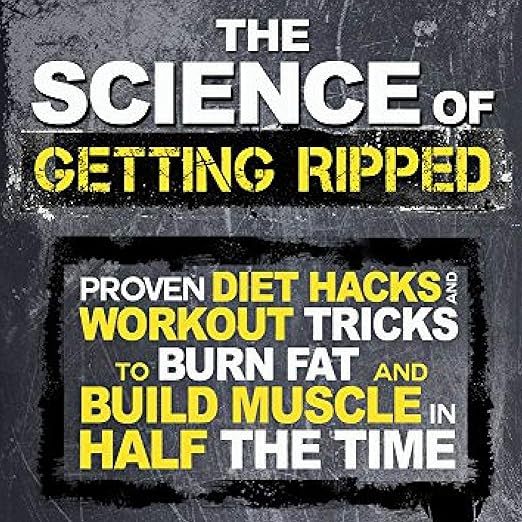
I have a weakness for fitness books that frame their argument as the discovery of a busy person who stumbled onto something the industry was hiding. Raza Imam does exactly this in The Science of Getting Ripped, the opening sets him up as a burned-out hospital IT engineer with a two-hour commute and a family, who eventually cracked the code that conventional bodybuilding culture had made unnecessarily complicated. It is an effective hook, and it made me curious whether the content would live up to it.
At three and a half hours, this is an audiobook you can finish on a long run or a round-trip commute. That brevity is a genuine asset. It forces Imam to prioritize, and most of what he prioritizes is genuinely useful to someone starting from zero.
Our Take on The Science of Getting Ripped
The book covers the core principles of body recomposition: progressive overload, compound movements, caloric balance, rep tempo, hormonal factors like testosterone and cortisol, and the concept of the afterburn effect from high-intensity training. None of these ideas are original to Imam, they are well-established exercise science, but he presents them accessibly and without the intimidating complexity that a lot of physiology-heavy fitness books lean into. Reviewer Nick, who described himself as a complete beginner, noted the book strikes an impressive balance between technical terminology and plain explanation. That assessment holds up.
What also holds up is the criticism. Several reviewers flagged repetition, the same concepts circling back multiple times across a short runtime, and reviewer Lorenzo noted contradictions that a better edit would have caught. These are genuine issues. Imam is an engineer by background, not a writer, and the prose reflects that. If you can tolerate some structural looseness, the substance is solid enough to compensate.
Why Listen to a Fitness Book Built for Busy People
The most useful thing about this book is its explicit acknowledgment that most fitness advice is designed for people with unlimited time and energy. Imam writes for someone who cannot spend six days a week in the gym, cannot prep seventeen meals on Sunday, and cannot afford to optimize every variable. The program he describes, shorter, more intense sessions built around progressive overload and manageable nutrition tracking, is genuinely achievable for people with real schedules. That positioning alone separates this from the majority of bodybuilding content, which tends to treat gym life as a total identity.
What to Watch For in the Narration and Repetition
C.J. McAllister narrates with a pace and energy that matches the book’s motivational register. He handles the technical terminology confidently, which matters when Imam dips into concepts like myofibrillar hypertrophy. The narration never feels like someone reading instructions aloud; it has the quality of a coach giving a briefing. The repetition that exists in the written text does get amplified in the audio format though, concepts that might read as familiar context in print feel more redundant when you hear them spoken again. This is a note for the content rather than McAllister specifically.
Who Should Listen to The Science of Getting Ripped
This is the right audiobook for beginners who are overwhelmed by fitness content and want a starting framework without committing to a deep study of exercise physiology. It is well-suited for people who prefer practical action steps over exhaustive detail. It is not the right pick for intermediate or advanced trainees who have already internalized progressive overload and nutritional fundamentals, you will spend most of the runtime on material you already know. If you are starting from scratch and want a single, short listen that gives you a defensible framework for training and eating, this delivers that. And at three and a half hours, it asks very little of your schedule in return, which is, after all, the entire point Imam set out to make. Few fitness books earn that comparison honestly; this one largely does.
Frequently Asked Questions
Does The Science of Getting Ripped actually use scientific citations or is the science framing loose?
Imam references scientific principles and study findings, though he does not cite specific studies with academic rigor. The underlying concepts, progressive overload, the afterburn effect, hormonal responses to training, are all grounded in legitimate exercise science. Think of it as popularized science rather than peer-reviewed research.
How does the book handle nutrition, is it a specific diet plan or general principles?
It covers general principles of caloric balance, macronutrient awareness, and the timing of carbohydrates, including the notable claim that you can eat foods like pizza and ice cream and still lose fat through flexible dieting. It does not prescribe a rigid meal plan, which makes the advice more sustainable but also more general.
Is the three-and-a-half-hour runtime long enough to actually deliver a usable program?
Barely, but yes. Imam covers enough ground in the available time to give a complete beginner a working framework for training and nutrition. The brevity forces prioritization, which is actually a feature for busy listeners. You will not leave with every variable optimized, but you will have enough to start.
Does this book work as a standalone program or does it require buying a separate workout plan?
It functions as a standalone guide. Imam includes a basic home workout option for listeners who cannot access a gym, and the training principles he describes are specific enough to be implemented without additional purchases. He does mention supplements briefly but the book is not structured around upselling anything.