Quick Take
- Narration: Brian Arens reads the technical training material with clarity and appropriate pacing, keeping the periodization concepts accessible across the audiobook format.
- Themes: Periodization and performance peaking, power-based training, year-round season planning
- Mood: Rigorous, systematic, and genuinely motivating for serious cyclists
- Verdict: The standard reference text for competitive cyclists who want to self-coach, with particular strength in annual training plan construction and intensity management.
I started cycling seriously in my late thirties, graduated from commuting to weekend rides to a sportive I was wildly unprepared for, and then spent about a year doing what most amateur cyclists do: riding hard when I felt like it and less hard when I didn’t, making no particular progress. A friend who races locally handed me a copy of Joe Friel’s book and said simply, this is what you actually need. He was right, and I wished I had found it eighteen months earlier.
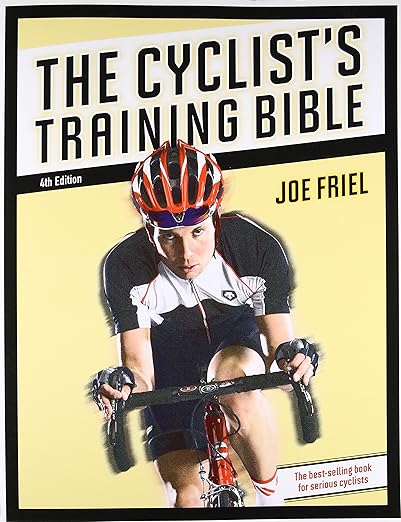
The Cyclist’s Training Bible has been the standard reference for self-coached cyclists since its first edition, and Joe Friel’s reputation in endurance sports coaching is as solid as any in the field. This fourth edition includes significant revisions on power meter training and nutrition, incorporating the technological advances that have changed how cyclists measure and respond to intensity since Friel’s original framework was published. The book is built around the concept of periodization, the structured organization of training into phases designed to produce peak fitness at specific target events rather than a general sustained level of fitness across the whole year.
Our Take on The Cyclist’s Training Bible
Friel’s approach to periodization is the book’s intellectual core and its most durable contribution. The framework divides a training year into preparation, base, build, peak, and race phases, each with specific physiological targets and workout types, all organized backward from the events the cyclist most wants to peak for. The principle that you cannot sustain peak fitness year-round, that performance requires strategic cycles of stress and recovery, and that most amateur cyclists over-train their moderate-intensity riding while under-developing their aerobic base and high-end power is well-supported and clearly argued. One reviewer described going from being dropped on group rides to leading the pack and racing with great results after applying Friel’s principles, which is a significant outcome for a self-coached amateur.
The power meter material is where the fourth edition adds the most contemporary value. Training by power gives cyclists a more precise intensity measure than heart rate, which varies with fatigue, heat, and caffeine in ways that power does not. Friel’s guidance on establishing training zones from functional threshold power and using those zones to structure workouts is the practical framework most competitive cyclists now use. The audio format requires listeners to absorb this without the benefit of the charts and zone tables in the print edition, which is a genuine limitation for the more technical sections.
Why Listen to The Cyclist’s Training Bible
Brian Arens narrates the technical content with a professionalism that keeps the systematic material moving without losing the listener in repetitive training vocabulary. The challenge of narrating a training reference is that much of the content is sequential and cumulative, building toward the construction of an annual plan from component principles. Arens maintains the thread across that structure, which requires patience and consistent delivery across a six-hour runtime. The narration is not particularly distinctive, but it does not need to be; the material’s technical clarity is the thing, and Arens serves it faithfully.
Reviewers consistently describe the book’s value in terms of the clarity it brings to the planning process. One elite cyclist described sitting down with the book in November and building their training plan as they went, taking all the guesswork out of the season. That description of removing guesswork is central to what Friel is offering: not a prescription for any specific cyclist but a system that makes the reasoning behind training decisions explicit, so that the self-coached rider can make their own choices intelligently rather than relying on instinct and anecdote.
What to Watch For in The Cyclist’s Training Bible
Multiple reviewers noted accurately that despite the title, this is primarily a resource for cyclists interested in racing, not general fitness or recreational riding. The periodization framework assumes you have specific events you want to peak for, and the annual training structure makes most sense when organized around a race calendar. One reviewer suggested the more accurate title would be The Bicycle Racer’s Training Bible, and that reframing is useful. Recreational cyclists will find some value in the training principles but may find significant sections irrelevant to their goals.
The charts and appendices that reviewers cite as particularly valuable are not accessible in audio form. The annual training hours chart and the personal training plan worksheets exist in the print edition and on Friel’s website; listeners using only the audiobook will need to supplement with the print resource to get full practical benefit from the planning sections. This is not a flaw in the audiobook per se but a genuine limitation of the format for reference material of this kind.
Who Should Listen to The Cyclist’s Training Bible
Serious cyclists preparing for their first structured race season or looking to move from unplanned training to periodization-based self-coaching will find this the most practically useful cycling audiobook available. Club racers, sportive riders with specific time goals, and competitive amateurs who have been training by feel and want to understand the underlying physiology will all get direct value. Skip if you are a casual rider with no interest in performance progression; the specificity of the framework will feel excessive for your needs. Best used in combination with the print edition to access the worksheets and tables the audio cannot deliver.
Frequently Asked Questions
Is The Cyclist’s Training Bible appropriate for recreational cyclists, or only for racers?
The book is primarily designed for cyclists who race or have specific performance goals. The periodization framework assumes target events to peak for, and the annual training structure is organized around a race calendar. Recreational cyclists will find some of the physiological principles useful but may find large sections oriented toward competitive goals that don’t match their riding.
Do I need a power meter to apply Friel’s training methods?
No, though the fourth edition puts significant emphasis on power-based training. Friel provides guidance for training by heart rate and perceived exertion as well. Power meters give more precise intensity data and unlock more of the book’s specific guidance, but the core periodization principles and training zone framework are applicable without one.
Does the audiobook format work for a technical training reference like this?
Partially. Brian Arens narrates the conceptual and planning material clearly, and the core periodization framework is well-suited to audio. However, the charts, training plan worksheets, and appendices that reviewers consistently cite as highly valuable exist only in the print edition. Serious self-coaches should use the audiobook alongside the print version rather than as a complete substitute.
How does this fourth edition differ from earlier editions of The Cyclist’s Training Bible?
The fourth edition includes extensive revisions on power meter training, incorporating training zones derived from functional threshold power, and updated nutritional guidance. Earlier editions predate the widespread adoption of power meters by amateur cyclists, so the fourth edition is significantly more current on the technological side of training intensity measurement.