Quick Take
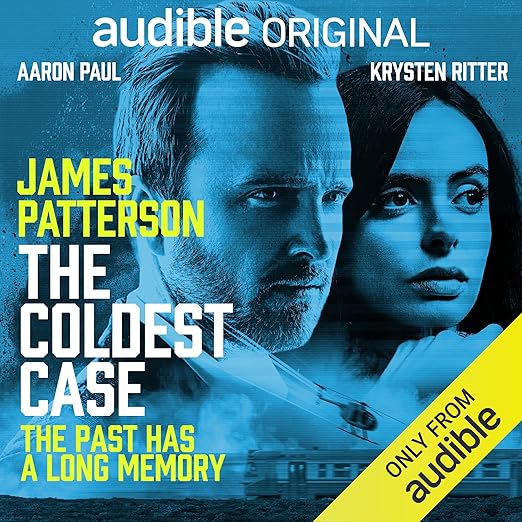
- Narration: Aaron Paul, Krysten Ritter, and Beau Bridges return alongside Greta Lee, Kevin Pollak, and Patton Oswalt. The cast remains the production’s clearest and most consistent strength.
- Themes: Family secrets and police corruption, loyalty tested by truth, the past’s long reach into present violence
- Mood: Fitfully tense with patches of genuine excitement, let down by script inconsistencies
- Verdict: The celebrity cast earns its billing, but weak writing and plot holes keep this sequel from matching the promise of its predecessor.
The first Coldest Case audio drama landed with enough force to make the Billy Harney series a template for what celebrity-cast Audible Originals could be. Aaron Paul and Krysten Ritter as detective siblings, Dolby Atmos production, genuine thriller energy in a compact runtime. The sequel had built-in anticipation. I went in with measured expectations, which was probably wise, because The Past Has a Long Memory is a more complicated case, and not in the ways the story intends.
The plot this time involves a serial killer who is not just murdering people across Chicago but deliberately placing Detectives Billy and Patti Harney first on every crime scene. That is a strong premise with built-in menace and an implied relationship between the killer and the detectives that should generate real dread. The kidnapping of their father, Chief of Detectives Dan Harney, played by Beau Bridges, introduces the family stakes that give the Billy Harney series its emotional undertow. The pieces are there. The assembly is where things come apart.
Our Take on the Script That Lets the Cast Down
Three separate reviewers independently reached the same conclusion: the writing is the weak link. One described it as plain bad with plot holes and errors throughout, noting that the dialogue is simple and not fleshed out. Another compared the script’s logical coherence to straining pasta through a colander. A third called it decidedly meh while noting the voice actors were working harder than the material deserved. These assessments are not unfair. Billy and Patti’s willingness to break the law at every turn because their father is in danger gets a pass from the script that it should not receive. Characters act in ways that serve plot convenience rather than internal logic, and the climax depends on revelations about Dan Harney’s past that are telegraphed early and then treated as shocking anyway. The specific critique from one reviewer, that no character is fleshed out and none are particularly likable, is harder to dismiss when the cast is the production’s entire argument for its own existence.
Why Listen for the Cast Rather Than the Story
And yet: Aaron Paul. Krysten Ritter. Beau Bridges. Greta Lee. Patton Oswalt playing himself, somehow. The performances elevate material that would be invisible in lesser hands. If you approach this as a vehicle for audio drama acting rather than crime fiction plotting, the experience improves considerably. Paul’s Billy Harney carries the weight of someone damaged by his job but not destroyed by it. Ritter’s Patti is harder edged and faster to suspicion. Together they create a sibling dynamic with enough friction and history to sustain the less credible plot points, at least for listeners who came from the first production already invested in both characters.
What to Watch For in the Production Design
Available in Dolby Atmos, and like The Commuter, the spatial audio design is where Patterson’s Audible Originals consistently exceed expectations. The Chicago crime scene environments, the precinct interiors, and the moments of urban menace all carry dimensional weight in quality headphones. The sound design team clearly had significant resources and used them thoughtfully. This is a production that rewards listening on capable hardware, not because the sound design compensates for a weak script, but because it creates an immersive container that makes the experience more forgiving of the story’s failures. At three hours and forty-one minutes, the commitment is low enough that the ratio of entertainment to frustration tips in the production’s favor for most listeners who begin with appropriate expectations.
Who Should Listen to The Coldest Case Sequel
Fans of the original Coldest Case audio drama who are committed to the Billy Harney relationship and the sibling dynamic will find enough here to justify the runtime. New listeners should start with the first entry, which established the characters and the series’ emotional logic more successfully. Those prioritizing tight crime writing over production value will be frustrated. If the cast is the primary draw, you will not be disappointed in that specific dimension.
Frequently Asked Questions
Do I need to listen to the first Coldest Case audio drama before this sequel?
Yes, strongly recommended. The family dynamics between Billy, Patti, and their father Dan are established in the first production. Jumping into The Past Has a Long Memory without that context makes the emotional stakes feel arbitrary.
How does Beau Bridges perform as Chief of Detectives Dan Harney?
Bridges brings authority and paternal warmth to the role without overplaying the gravitas. His scenes with Aaron Paul carry genuine weight even when the script around them falters.
Is the 2.9-star rating reflective of a genuinely divisive listening experience?
Yes. Listener response splits sharply between those engaged by the cast and Dolby Atmos production and those frustrated by the plotting. The polarization is real rather than outlier reviews skewing the average.
Does Patton Oswalt playing himself work, or does it break the thriller atmosphere?
Reviewers do not elaborate extensively on his role, but his self-referential inclusion has been noted as adding unexpected texture. The general consensus is that it adds rather than detracts from the production’s tone.