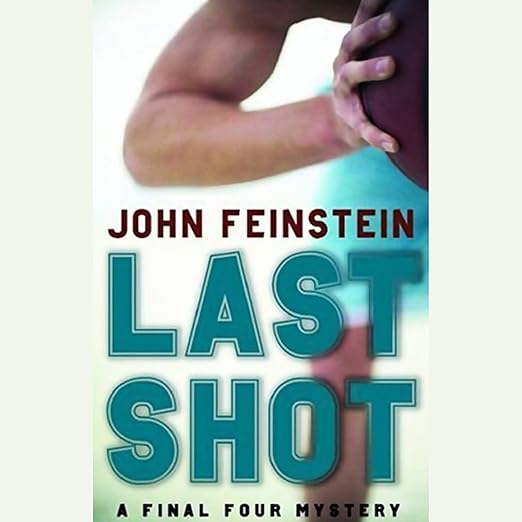
Quick Take
- Narration: John Feinstein reading his own work brings an insider’s authority and easy pacing, though his delivery is journalist-flat rather than performer-warm.
- Themes: sports journalism, moral courage, the corruption lurking behind big-money athletics
- Mood: Fast-moving and accessible, with a genuinely tense investigative core
- Verdict: A sharp series opener that gives young sports fans a mystery worth solving and a journalism apprenticeship worth wanting, one of the better YA sports crossovers in the genre.
I came to Last Shot by way of a conversation with a parent who had watched their twelve-year-old disappear into this book over a long weekend. That kind of report is hard to ignore. John Feinstein is one of the most respected sportswriters in America, and when he turned his attention to YA fiction with this series opener, he brought along something rare: a firsthand understanding of what it actually feels like to hold a press pass at a major sporting event. That insider texture is what makes the book work even for adult readers who might otherwise skip the section of the catalog labeled “sports mysteries for middle schoolers.”
The setup is elegant. Danny Jordan wins a contest run by the US Basketball Writers Association that earns him a press credential for the NCAA Final Four in New Orleans. It is the kind of prize that exists at the intersection of a basketball fan’s dream and a journalism student’s ambition, and Feinstein understands both fantasies completely. Then Danny and his fellow contest winner, Brigid-Ann Robinson, overhear something in the Superdome that shifts the whole story sideways.
Our Take on Last Shot: A Final Four Mystery
What Feinstein does well is keep the basketball real while the mystery escalates. The blackmail plot targeting one of MSU’s star players is not a cartoon crime; it has the specific texture of how money and pressure actually operate around major college sports programs. Danny and Brigid-Ann are not bumbling amateurs who stumble into solutions by accident. They are young reporters who think like reporters, and watching them work through the story with genuine investigative instincts is part of the pleasure of the book. The forty-eight-hour countdown structure creates real urgency without feeling artificial.
The partnership between Danny and Brigid-Ann is another genuine strength. She is not a sidekick or a love interest; she is a co-investigator with her own perspective and her own capabilities. For a book published in 2005, that is not nothing. Reviewers across age groups noted that the story “has great messages and a great theme,” and the journalism subplot delivers on that: this is a book that quietly argues for the value of finding out what is actually happening, even when the people in power would prefer you did not.
Why Listen to Last Shot: A Final Four Mystery
Feinstein narrating his own work is a feature, not a limitation. He knows every player and coach in this story, and his delivery has the unhurried confidence of someone telling you about something they understand deeply. The pacing is steady and the basketball scenes have the procedural specificity you would expect from someone who has covered Final Fours professionally. For young listeners who care about basketball, the atmosphere of the Superdome and the locker room access Danny gets feel genuinely coveted rather than invented.
At five and a half hours, this is also a very manageable listen for younger audiences. Reviewers noted that it took some readers a while to get fully pulled in, with the setup and context-building taking more time than action-forward YA often does. But that investment pays off in the back half, where the stakes sharpen and the solution requires the work Danny and Brigid-Ann have done in the early chapters.
What to Watch For in Last Shot: A Final Four Mystery
The deliberate pacing in the first third is the most common note in the reviews. Feinstein is building a world: the media credential culture, the Final Four environment, the specific social dynamics of a high-pressure sports event. For young readers who want immediate action, the opening may feel slow. Parents buying this for reluctant readers should know the book rewards patience, but it does ask for some. One parent noted their twelve-year-old took time to get into the book but ended up loving it as it built toward the end and immediately wanted the next book in the series.
The sports content skews heavily toward basketball and the college athletics ecosystem. Young readers without some basketball literacy may find the background less engaging than those who already care about the sport. That said, the mystery mechanics are strong enough to carry readers who come for the thriller and stay despite the athletics.
Who Should Listen to Last Shot: A Final Four Mystery
The ideal audience is somewhere between ten and fifteen, loves sports or sports journalism, and has the patience for a mystery that builds its case methodically. It works equally well for readers of any gender, as several reviews specifically noted the appeal was not limited to boys. Adult fans of Feinstein’s nonfiction work will find this more substantive than they might expect from a YA series opener. And for families looking for something to listen to on road trips, the clean content and propulsive second half make this a reliable pick.
Frequently Asked Questions
Is Last Shot the first book in the Sports Beat series, and do the books need to be read in order?
Yes, this is the first book in the Sports Beat series. Each subsequent book covers a different sport and a new contest for Danny and Brigid-Ann, so they can be read somewhat independently, but Last Shot establishes the characters and the journalism contest framing that recurs throughout the series.
What age range is Last Shot appropriate for, and does the mystery hold up for adult listeners?
The publisher and reviewer consensus puts the sweet spot at ages 10-14, with 12 being a commonly cited ideal age. Adult readers, particularly those with affection for sports journalism, will find more substance here than typical middle-grade fare, though the mystery is not going to challenge readers accustomed to adult crime fiction.
Does John Feinstein’s author-narrated performance work for young listeners, or is it too dry?
Feinstein’s delivery is confident and easy rather than dramatically performed, which works well for the journalistic voice of the story. Young listeners who prefer high-energy narration with distinct character voices may find it understated. But the authority and pacing he brings to the basketball and media world sections is genuinely valuable.
The book involves blackmailing a college athlete, how dark does it get?
The corruption plot is substantive but handled in a way appropriate for the target age group. There is no graphic content; the darkness comes from the moral compromises adults make around money and competitive sport, which Feinstein presents clearly without dramatizing it beyond what young readers can process.