Quick Take
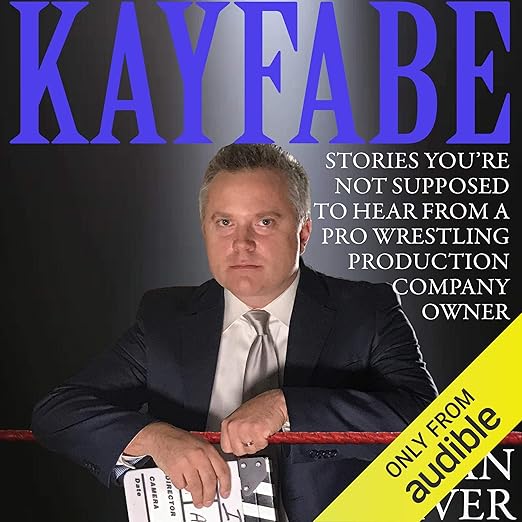
- Narration: Sean Oliver reads his own memoir with the same candid, quick-witted delivery that made Kayfabe Commentaries famous, self-deprecating, precise, and completely unguarded.
- Themes: behind-the-curtain entrepreneurship, shoot culture vs. kayfabe, the cost of radical honesty in a business built on deception
- Mood: Irreverent and dishy, with genuine moments of vulnerability woven between the war stories
- Verdict: If you’ve ever wanted to understand how the shoot interview genre actually works from the inside, Oliver delivers something no commentator on the outside ever could.
I came to this one through a roundabout door. A friend who had zero interest in professional wrestling kept recommending it to me because, she insisted, it was really a story about building something from nothing in an industry designed to chew up outsiders. She was right. I finished Kayfabe on a long train ride and missed my stop somewhere in New Jersey because I was too far inside Sean Oliver’s world to notice anything outside the window.
Sean Oliver co-founded Kayfabe Commentaries, a production company that essentially redefined the shoot video genre, those unscripted, sit-down interviews where wrestlers speak frankly about the business away from storylines and scripted personas. The word kayfabe itself refers to the unspoken code wrestlers maintain to protect the illusion of their craft. Oliver built a company whose entire identity was dedicated to dismantling it. The irony of that is not lost on him, and he spends the book wrestling with it in the most productive way imaginable.
Our Take on Kayfabe
What makes this memoir work is that Oliver understands he is not the most famous person in the room. He is the guy asking the questions, the one who has spent years next to legends and madmen and con artists, absorbing their stories while building something genuine in his own right. The blurb from Vince Russo, the former WWE and WCW head writer, says it well: in a business full of workers and politicians, Oliver is one of the few people Russo would call trustworthy. Coming from someone who spent decades in the world’s most performative business, that is about as ringing an endorsement as exists. The book earns it. Oliver does not protect himself from embarrassment. He puts his own failures and blind spots on the page with the same unflinching clarity he brought to his interview subjects.
The entrepreneurial arc is genuinely fascinating regardless of your wrestling knowledge. Oliver traces the company’s evolution from renegade outfit to recognized brand, and the logistical headaches of producing content with professional wrestlers, some of them legends, some of them deeply difficult human beings, make for consistently entertaining reading. He is funny about it, which helps. The wit is dry and self-aware, and he never lets himself become the hero of his own story without complicating that a little.
Why Listen to Kayfabe
Oliver narrates himself, and that decision pays off in ways that a hired voice actor simply could not replicate. He knows the rhythm of these anecdotes. He knows which syllable to land on and which line to throw away. The reviewers who call the book accurate and candid are responding to something real in his delivery, there is no performance of honesty here, just the thing itself. Justin Barrasso of Sports Illustrated is quoted in the synopsis noting that the man asking the questions turns out to be as fascinating as his subjects. That observation holds up over nearly eight hours of audio.
The book is also unusually generous toward the wrestling business itself. Oliver is not here to expose and condemn. He clearly loves this world, even its most chaotic corners, and that warmth keeps the rougher stories from feeling like score-settling. He tells a story about abuse and threats with the same steady tone he uses for moments of downright hilarity, and the lack of melodrama makes everything hit harder.
What to Watch For in Kayfabe
A few caveats for listeners who come in cold. The book assumes a baseline familiarity with the shoot interview format and with the broader landscape of independent wrestling media. If you have never watched a Kayfabe Commentaries title, some of the references and guest names will require a bit of context from elsewhere. This is not a history of professional wrestling; it is the history of one specific company inside that ecosystem. The two are related but distinct.
The three-star reviewer who called it interesting but found it a bit light on detail has a point at the margins. Oliver’s storytelling style is anecdotal rather than analytical, which works beautifully in audio but occasionally leaves you wanting a deeper accounting of how decisions were made at the business level. What he does provide, though, is irreplaceable texture, the feeling of what it was actually like to build this thing, day by day, negotiation by negotiation.
Who Should Listen to Kayfabe
This audiobook is ideal for wrestling fans who have spent time with Kayfabe Commentaries content and want the origin story told by the only person who can tell it. It is also well-suited to listeners interested in independent media entrepreneurship, particularly the kind that operates at the fringes of an established entertainment industry. If you have ever wondered how someone builds a brand in a space where the dominant players have every institutional advantage, Oliver’s account is instructive and specific in ways that general business memoirs rarely manage.
Skip it if you need your memoir subjects to be household names, or if the professional wrestling world feels too niche to sustain your interest across eight hours. The book lives and breathes inside its specific context, and listeners who cannot meet it there will find it less rewarding than those who arrive already curious about the shoot genre and what it took to create it.
Frequently Asked Questions
Do you need to be a wrestling fan to enjoy this audiobook?
Some familiarity with professional wrestling and the shoot interview format helps, but it is not strictly required. The entrepreneurship story and Oliver’s personality carry the book even for listeners who do not know the names he drops. That said, fans of Kayfabe Commentaries specifically will get significantly more out of it.
Is Sean Oliver a good narrator of his own material?
Yes, noticeably so. He brings the same candid, quick-witted delivery to the audiobook that made his on-screen interview work effective. He knows which stories to play for laughs and which to let land quietly, and there is no self-consciousness about reading his own words aloud.
Does the book cover specific wrestlers by name, including difficult encounters?
Yes. Oliver does not protect the reputations of uncooperative or unprofessional guests, though he is not gratuitously cruel about it either. He names names and describes specific situations including threats and problematic behavior, but the tone stays closer to clear-eyed reporting than score-settling.
How does this compare to other wrestling memoirs on Audible?
Most wrestling memoirs are written by performers about their in-ring careers. This one is different because it comes from the production side and focuses on building a business rather than reliving matches or feuds. That makes it a genuinely unusual angle on a heavily documented industry.